Why Does Jewelry Tarnish? (Causes, Prevention, and Care Tips)
Tarnishing is a natural chemical reaction that occurs when metals like silver and copper react with elements in the atmosphere. By understanding the science behind why does jewelry tarnish, you can implement simple daily habits to protect your collection and maintain its brilliant luster for years to come.
We have all been there. You reach into your jewelry box to grab those favorite silver earrings for a night out, only to find them looking dull, dark, or even a bit yellow. It is frustrating, especially when you know you took care of them. You might find yourself asking: why does jewelry tarnish? It feels personal, almost like your jewelry is aging before its time. But rest assured, this is a universal experience that happens to almost every metal enthusiast.
In 2026, we have access to better cleaning technology and protective coatings, yet the fundamental chemistry of metal remains the same. Understanding why does jewelry tarnish is not just about curiosity; it is about empowerment. When you know what causes that dark film, you can stop fighting a losing battle against nature and start mastering the care of your precious pieces. Let us pull back the curtain on the science of shine and decay.
- Chemical Reactions: Tarnishing happens when metal surfaces react with sulfur, oxygen, and moisture in the air.
- Alloy Content: Pure gold or silver rarely tarnishes, but the alloys added for durability, like copper, are the primary culprits.
- Daily Exposure: Perfumes, lotions, and body chemistry play a significant role in how quickly your jewelry loses its shine.
- Storage Solutions: Proper storage in airtight containers or anti-tarnish bags can drastically slow down the oxidation process.
- Preventative Care: Removing jewelry before swimming, showering, or exercising is the easiest way to prevent premature wear.
The Science of Oxidation and Corrosion
At the heart of the mystery, we find chemistry. When we ask why does jewelry tarnish, we are really asking about how metals interact with our environment. Tarnishing is essentially a surface-level chemical reaction. It is not the same as rust, which eats away at iron. Instead, it is a protective layer that forms on the metal’s surface.
What is Actually Happening?
When silver or copper-based alloys are exposed to air, they interact with sulfur compounds. Sulfur is everywhere—in the air, in wool, and even in our own skin oils. This reaction creates a layer of silver sulfide on the surface. That dark, cloudy film you see is actually the result of this chemical bond. If you do not clean it, that layer just keeps building up, getting darker and thicker over time.
Oxygen vs. Sulfur
Many people assume that oxygen is the only enemy. While oxygen does play a role in corrosion, sulfur is the true villain when it comes to the specific “tarnishing” of silver. This is why jewelry often tarnishes faster in cities with higher pollution levels, where sulfur emissions are more common. Understanding this distinction helps you realize that keeping your jewelry in a vacuum is not necessarily the goal; keeping it away from sulfur is.
The Role of Metal Alloys
If you have ever wondered why your 24k gold necklace stays bright while your sterling silver ring turns black, the answer lies in the composition. Pure gold is incredibly soft, so jewelers add other metals to make it wearable. These additions are what we call alloys.
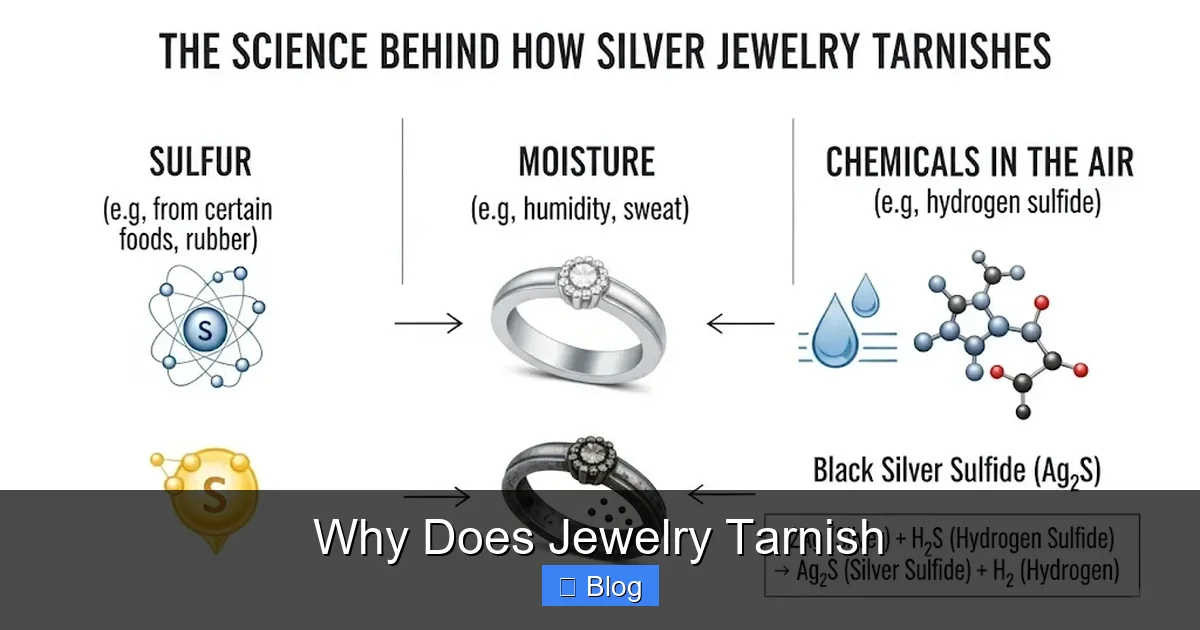
Visual guide about Why Does Jewelry Tarnish
Image source: richpkg.com
The Copper Connection
Copper is the most common metal mixed with silver and gold to create durability. Unfortunately, copper is highly reactive. This is why sterling silver (which is 92.5% silver and 7.5% copper) tarnishes much faster than fine silver (99.9% pure). When you ask why does jewelry tarnish, you are often looking at the copper content within your accessory.
Durability vs. Shine
We face a constant trade-off in the jewelry world. We want pieces that are hard enough to withstand daily wear, but those hard pieces require alloys that are prone to oxidation. If you prefer low-maintenance jewelry, consider sticking to high-karat gold, platinum, or palladium, which are much more resistant to these chemical reactions than their silver or brass counterparts.
Environmental Factors and Daily Habits
Your lifestyle is a major contributor to the condition of your jewelry. Even if you store your items perfectly, what you do while wearing them matters immensely. In 2026, we lead active lives, and our jewelry often pays the price.
The “Beauty” Trap
Believe it or not, your vanity table is a danger zone. Perfumes, hairsprays, body lotions, and makeup often contain chemicals that accelerate tarnishing. If you spray perfume directly onto your skin while wearing your necklaces, you are effectively coating the metal in a substance that triggers a rapid reaction. Always apply your beauty products first, let them dry, and then put on your jewelry.
Body Chemistry
Have you ever noticed that a ring turns your finger green or darkens quickly on you, but stays shiny on your friend? This is due to individual body chemistry. Factors like sweat, pH levels, and even medications can change how your skin interacts with metal. Some people have more acidic skin oils, which can make jewelry tarnish significantly faster than it would for someone else.
Storage Secrets for Lasting Shine
Storage is the most overlooked aspect of jewelry care. Many of us just toss our pieces into a bowl or an open tray. While this looks lovely on a dresser, it is a recipe for disaster. The air in your room is filled with moisture and sulfur, and your jewelry is just sitting there absorbing it all day and night.
The Airtight Advantage
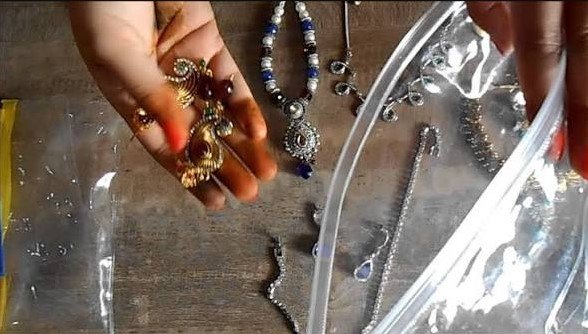
The golden rule of jewelry storage in 2026 is simple: minimize exposure to air. Use airtight plastic bags or specialized jewelry boxes with anti-tarnish linings. These linings contain chemicals that attract sulfur before it can reach your jewelry, essentially acting as a bodyguard for your pieces.
The Silica Packet Trick
Never throw away those little silica gel packets that come in shoe boxes or electronics packaging. They are excellent at absorbing humidity. Throw one into your jewelry box to keep the environment dry. Since moisture is a catalyst for chemical reactions, keeping your jewelry dry is just as important as keeping it away from sulfur.
Cleaning and Restoration
Even with the best care, tarnishing can happen. It is not the end of the world! Restoring your jewelry is a simple process if you use the right tools. Avoid harsh chemical dips if you can, as they can sometimes strip away protective finishes or damage delicate gemstones.
Gentle Maintenance
For mild tarnishing, a simple soft microfiber cloth is often enough. Regular polishing keeps the build-up from becoming permanent. Think of it like brushing your teeth—doing it a little bit every now and then prevents the need for a major “deep clean” down the road.
When to See a Pro
If you have an heirloom piece or something with intricate details, it is best to take it to a professional jeweler. They have ultrasonic cleaners and professional-grade polishing compounds that can get into the tiny crevices where a cloth just cannot reach. They can also re-plate items like rhodium-plated white gold, which loses its shiny coating over time.
Future-Proofing Your Collection
As we navigate 2026, technology is offering new ways to protect our treasures. From nano-coatings that prevent oxidation to improved anti-tarnish alloys, the jewelry industry is finding ways to make our favorite pieces last longer than ever before.
Choosing Wisely
When you are shopping for new jewelry, ask about the metal content. If you know you live in a humid climate or are prone to jewelry tarnishing, opt for gold-filled or high-karat pieces rather than silver. Being an informed buyer is the best way to ensure your collection stays bright.
Final Thoughts on Maintenance
Tarnishing is a natural part of owning fine jewelry. Do not let it discourage you from wearing your favorite items. By following these simple steps—storing correctly, being mindful of chemicals, and keeping your pieces clean—you can keep your collection looking as radiant as the day you bought it. Remember, your jewelry is meant to be worn and loved. A little bit of tarnish is just a sign that you have lived a life full of sparkle.
Frequently Asked Questions
Does toothpaste really clean tarnished jewelry?
While toothpaste is a common DIY fix, it is generally too abrasive for most metals and can cause microscopic scratches. It is safer to use a dedicated jewelry polishing cloth or a mild soap and warm water solution.
How can I tell if my jewelry is solid gold or just plated?
Look for a hallmark stamp like “14k” or “18k” on the piece, which indicates the purity. If you see a stamp like “GP” or “GEP,” it stands for Gold Plated or Gold Electroplated, meaning it is a base metal underneath.
Should I store my jewelry in the bathroom?
You should definitely avoid storing jewelry in the bathroom. The high humidity from showers creates the perfect environment for accelerated tarnishing and potential damage to gemstones.
Does wearing my jewelry prevent it from tarnishing?
Surprisingly, yes! The natural oils from your skin can act as a protective barrier on some metals, and the friction from your clothes can keep the surface polished. However, this depends on your skin’s pH levels.
Can I remove heavy tarnish at home?
For heavy tarnish, you can use a professional-grade silver polish or a gentle cleaning solution of water and baking soda. However, if the piece has fragile stones or intricate filigree, it is safer to bring it to a professional.
Why does my silver turn black immediately after cleaning?
If your jewelry turns dark quickly, it likely means the tarnish was not fully removed or the protective finish has been stripped. It could also suggest that your current storage method is exposing the metal to high levels of sulfur.