Where to Sell Antique Jewelry? [Read This To Know]
Selling antique jewelry is an art that requires patience, research, and the right marketplace to ensure you get the best value for your heirlooms. In this guide, we explore how to identify your jewelry’s worth and choose the safest, most profitable platforms to sell your antique jewelry in 2026.
Do you have a dusty velvet box tucked away in your drawer, filled with shimmering history? Whether you inherited a stunning Victorian brooch or a sleek Art Deco ring, selling antique jewelry can feel like a daunting task. In 2026, the market for vintage and antique pieces is stronger than ever. Collectors and fashion enthusiasts are constantly hunting for unique items that tell a story. But, where do you start? How do you ensure you are getting a fair price for your family treasures?
Selling these items is very different from selling modern mass-produced jewelry. You are not just selling gold and gemstones; you are selling craftsmanship, history, and rarity. Finding the right place to sell your antique jewelry involves a mix of preparation, research, and knowing exactly who your target buyer is. Let’s walk through the process together, step by step, so you can feel confident and prepared as you navigate the secondary market.
Key Takeaways
- Understand Appraisal: Always get a professional appraisal from a certified gemologist before listing your item to ensure you know its true market value.
- Choose the Right Venue: Match your specific piece with the right buyer, whether it is a high-end auction house, a specialized antique dealer, or a trusted online platform.
- Documentation Matters: Keep all original boxes, certificates of authenticity, and receipts, as these significantly boost the resale value of your antique jewelry.
- Prioritize Security: When selling in person or shipping valuable items, always use secure channels, insured shipping, and verified payment methods to protect your assets.
- Understand Market Trends: Antique jewelry values fluctuate based on demand for specific eras, such as Art Deco or Victorian styles, so timing your sale can impact your profit.
Step One: The Importance of Knowing What You Have
Before you even look for a buyer, you must become a student of your own jewelry. Antique jewelry isn’t just “old stuff.” It is categorized by specific time periods, such as Georgian, Victorian, Edwardian, or Art Deco. Each era has distinct design elements and materials that define its value. If you don’t know what you are holding, you might accidentally undervalue a rare find.
Get a Professional Appraisal
The first rule of selling antique jewelry is to avoid guessing. You should take your pieces to a qualified appraiser. Look for credentials from recognized organizations like the Gemological Institute of America (GIA). An appraiser will provide you with a written document detailing the weight of the metal, the quality of the stones, and the historical significance of the setting. This paperwork is your best friend when negotiating a price.
Take High-Quality Photos
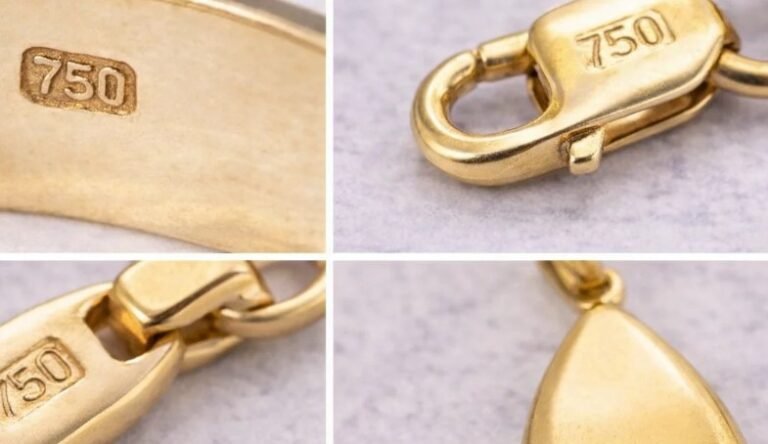
If you plan to sell your antique jewelry online, your photos are your storefront. Use natural, soft lighting to capture the fine details of the metalwork and the clarity of the stones. Buyers want to see the hallmark stamps, the condition of the prongs, and the overall craftsmanship. A blurry photo often leads to a low-ball offer because the buyer has to assume the worst about the item’s condition.
Evaluating Your Sales Channels: Online vs. In-Person
In 2026, the digital landscape for luxury goods has evolved significantly. You have more options than ever, but that can also lead to decision paralysis. Choosing between an online marketplace and a local specialist depends on your goals: do you want a quick cash sale, or are you willing to wait for a higher price?
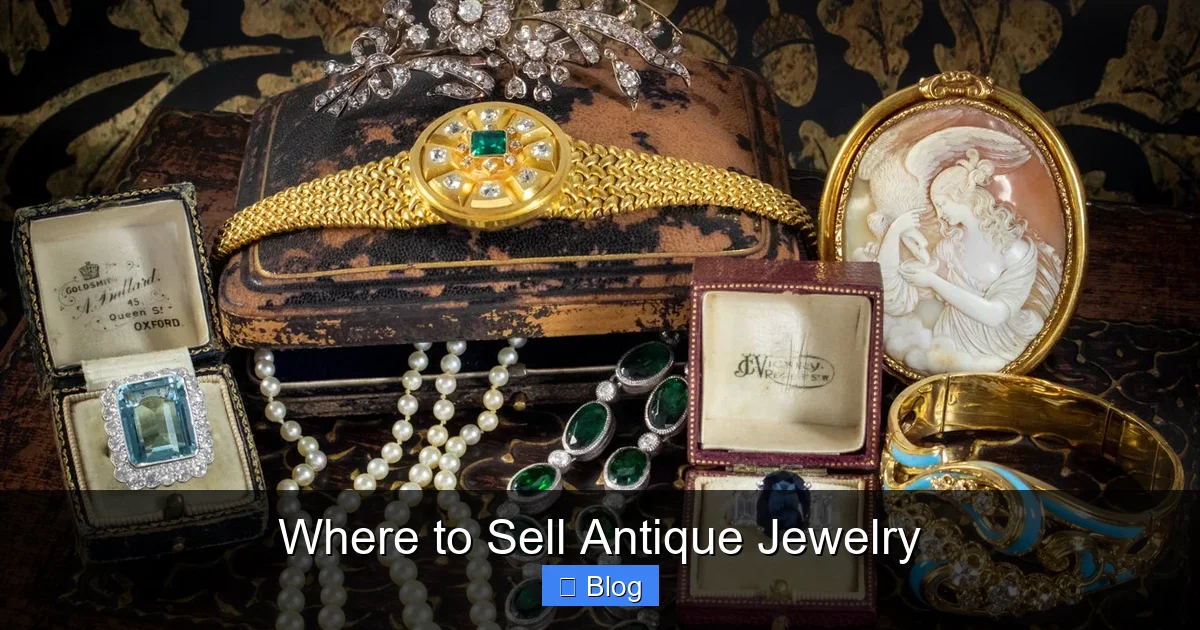
Selling on Online Marketplaces
Platforms like Etsy or specialized vintage jewelry websites are fantastic if you are patient. These platforms put your items in front of a global audience of collectors. However, keep in mind that these sites charge seller fees. You are also responsible for shipping, which must be handled with extreme care and full insurance. The trade-off is the potential for a much higher sale price compared to a quick pawn shop transaction.
Working with Antique Jewelry Dealers
If you prefer a face-to-face transaction, finding a reputable local antique jewelry dealer is a great route. These experts have built their businesses on reputation. They are often willing to buy pieces outright, which gives you cash immediately. While they will pay less than the retail value—because they need to make a profit when they resell the item—you benefit from a secure, immediate, and hassle-free exchange.
Auction Houses: The Home for Rare Masterpieces
If you are in possession of a truly exceptional piece—something with a rare gemstone, an unusual design, or a notable provenance—a local buyer might not have the budget or the right client base for it. This is when you should consider a high-end auction house.
How Auctions Work
Auction houses act as a middleman. They photograph, market, and curate your piece for a targeted group of high-net-worth bidders. Because their reputation is tied to the quality of their catalog, they handle all the heavy lifting. The catch? The process is longer, and you will pay a commission to the auction house. However, for a one-of-a-kind antique, the competitive bidding process can drive the final price well above your initial expectations.
Is Your Item Right for Auction?
Before contacting an auction house, check their upcoming calendar. Do they have a jewelry-specific auction coming up? If your item fits their theme, you are more likely to get a great result. Be realistic, though; auction houses only take items they are confident they can sell, so be prepared to provide as much history or documentation as you have.
Maximizing Your Profit in 2026
The market for antique jewelry is sensitive to trends. For example, engagement ring styles from the 1920s are currently very popular. When you sell, you want to time it when interest is high. Also, never underestimate the power of presentation. Clean your items (if it is safe to do so) and include any original boxes or paperwork.
The Power of Provenance
Do you have a letter, a photo of a relative wearing the piece, or the original receipt from 1920? This “provenance” adds immense value. It transforms a piece of jewelry from a generic object into a family heirloom with a story. Buyers pay a premium for that narrative, so make sure to highlight any history you know.
Negotiation Tips for Sellers
Never feel pressured to accept the first offer. If you have done your research, you will know the range of what your item is worth. If a buyer offers significantly less, ask them why. Their reasoning can sometimes help you understand flaws in your piece that you missed, or it may reveal that they are simply trying to get a deal. Stay polite, be firm on your bottom line, and remember that you can always take your business elsewhere.
Staying Safe While Selling
Safety is non-negotiable when dealing with high-value items. Whether you are meeting someone or shipping a box, take precautions. If you are meeting a buyer in person, always do it in a safe, public place. Many police stations have “safe exchange zones” specifically for this purpose. If you are shipping, use a secure courier service that requires a signature and provides full insurance coverage.
Verifying Your Buyer
If you are selling online, check the buyer’s feedback score. Look for consistent, positive reviews. Avoid anyone who wants to pay via untraceable methods like wire transfers or gift cards. Reputable dealers will use standard, trackable payment gateways. Trust your gut; if something feels suspicious, walk away immediately. It is better to wait a few more weeks for the right buyer than to fall victim to a scam.
Conclusion: Your Antique Jewelry Journey
Selling your antique jewelry is a unique experience that connects you to the past while helping you prepare for your future. By taking the time to educate yourself, choosing the right venue, and prioritizing your security, you can ensure that your heirloom finds a new home where it will be appreciated just as much as you appreciated it.
Remember, there is no rush. Take your time to get those appraisals, research your buyers, and compare your offers. Whether you decide to sell through an auction house, a trusted dealer, or an online collector community, the goal is to feel good about the sale. Your jewelry has a beautiful history, and its next chapter begins with the right buyer. Good luck with your sale!
Frequently Asked Questions
How can I tell if my antique jewelry is valuable?
Check for hallmarks or stamps on the metal that indicate purity, such as 18k or platinum. A professional appraisal is the only way to get an accurate valuation based on gemstone quality, historical era, and condition.
Should I clean my jewelry before selling it?
You can gently wipe it with a soft cloth, but avoid harsh chemicals or ultrasonic cleaners, as these can damage delicate antique stones. Professional dealers often prefer to clean items themselves to avoid accidental damage.
Is it better to sell to a pawn shop or a jeweler?
Specialized antique jewelers are usually much better, as they understand the historical value of your piece. Pawn shops typically only look at the scrap metal value and rarely pay for the craftsmanship or rarity of an antique item.
What if I don’t have the original papers for the jewelry?
While original papers add value, you can still sell your jewelry without them by obtaining a current appraisal from a certified gemologist. This provides the necessary documentation to prove the item’s authenticity to prospective buyers.
How do I ship antique jewelry safely?
Always use a reputable, tracked, and insured shipping service that requires a signature upon delivery. Package the item securely in a discreet box and never label the outside of the package with words like “jewelry” or “diamonds.”
Are there scams I should watch out for when selling?
Beware of buyers who pressure you into quick sales, ask you to pay “fees” to release funds, or insist on using non-standard payment methods. Always verify the buyer’s reputation and use secure, trackable platforms for all transactions.