What Is Paste Jewelry? (What You Need To Know)
Paste jewelry refers to ornate pieces crafted from high-quality leaded glass, designed to mimic the brilliance of fine gemstones like diamonds. Historically significant and visually stunning, these vintage treasures offer a glamorous aesthetic that remains a must-have for jewelry lovers and collectors alike.
Have you ever looked at a stunning vintage brooch or a sparkling necklace in a museum and wondered if it was truly dripping in diamonds? Often, these breathtaking pieces are actually crafted from “paste.” In the world of jewelry, paste jewelry is a misunderstood category that deserves a lot more love. While the name might sound a bit like a craft project you did in grade school, it actually describes a sophisticated, historically rich form of adornment.
As we navigate the trends of 2026, the appreciation for sustainable, vintage, and storied jewelry has reached an all-time high. Paste jewelry fits perfectly into this narrative. It offers the glitz and glamour of high-end diamonds without the astronomical price tag. Whether you are a budding collector or just someone who loves a bit of extra sparkle, understanding paste jewelry is a journey into history, art, and the clever ways humans have celebrated beauty for centuries.
Key Takeaways
- What is Paste: It is a type of decorative jewelry made from cut glass that imitates the look of precious gemstones.
- Historical Value: Many paste pieces from the 18th and 19th centuries are highly collectible due to their intricate craftsmanship.
- The Lead Difference: High-quality paste uses “strass,” a leaded glass mixture that provides exceptional sparkle and light refraction.
- Artistry Over Materials: Unlike modern costume jewelry, antique paste was often set in silver or gold, showcasing superior artisan skill.
- Care Instructions: Paste is softer than real gemstones, so it requires gentle cleaning and careful storage to avoid scratches.
- Identifying Quality: Authentic antique paste often features foil backing and closed-back settings, which differentiate it from modern plastic imitations.
The Origins and Evolution of Paste Jewelry
What Exactly is Paste?
At its core, paste jewelry is made from leaded glass. This is not the standard glass you might find in a window. It is a specially formulated glass with a high lead content. This lead content is the secret ingredient. It increases the refractive index of the material. In simple terms, it makes the glass bend light in a way that mimics the “fire” and brilliance of real gemstones like diamonds, emeralds, or rubies. This material was historically referred to as “strass,” named after its inventor, Georges Frédéric Strass, who popularized it in the 18th century.
A History of Luxury for Everyone
Paste jewelry wasn’t always seen as a “cheap” alternative. In the 1700s, noblewomen frequently wore paste jewelry to social events. Why? Because it was safer than wearing their massive, heavy diamond parures in public where theft was a major concern. Paste allowed them to showcase their status and sense of style without the risk of losing their entire family fortune. Over time, as mass manufacturing became possible, the perception of paste shifted, but the early pieces remained incredibly well-made, often set in high-quality silver or even gold.
How to Identify Authentic Paste Jewelry
The Weight and Feel Test
One of the easiest ways to start identifying paste is by how it feels. Because leaded glass is denser than standard glass or plastic, a piece of authentic paste jewelry will feel heavier than you expect. If you pick up a brooch and it feels weightless like plastic, it is likely a modern mass-produced item. An authentic vintage paste piece has a satisfying weight in the palm of your hand.
Examining the Settings and Backings
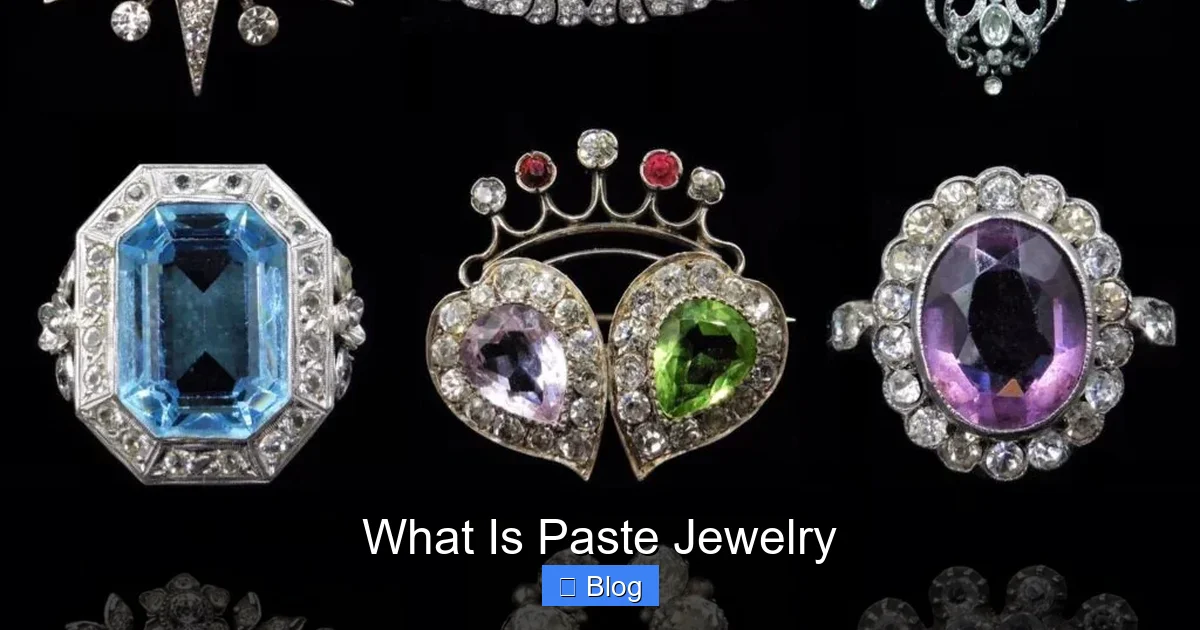
Antique paste jewelry, particularly from the Georgian and Victorian eras, is almost always “closed-back.” This means the stone is set into a metal base that covers the bottom of the stone. Craftsmen would often place a piece of colored foil behind the glass before setting it. This foil acts like a mirror, catching light and bouncing it back through the glass to give it extra depth and color. If you see a piece of jewelry where the back of the stone is completely covered by metal, you are likely looking at a traditional, high-quality paste design.
Why Collectors Love Paste Jewelry in 2026
Sustainable Style
In 2026, we are all much more conscious about where our items come from. Buying vintage or antique jewelry is the ultimate way to shop sustainably. When you purchase a piece of paste jewelry from a century or two ago, you aren’t contributing to new mining operations. You are giving a new life to a beautiful object that already exists. It is eco-friendly, unique, and carries a story that a brand-new store-bought item simply cannot match.
The Artistic Value
Many people assume that because the stones aren’t “real” diamonds, the jewelry lacks value. This is a big mistake. The value in paste jewelry lies in the labor and the craftsmanship. Skilled artisans hand-cut these glass stones to maximize their sparkle. They meticulously set them into intricate metal frames, often featuring delicate wirework or engravings. When you buy a piece of paste jewelry, you aren’t paying for the price of the raw materials; you are paying for the time, skill, and creative vision of the jeweler who made it.
Caring for Your Paste Jewelry
Gentle Cleaning Techniques
Because paste is made of glass, it is softer than diamonds or sapphires. This means it can scratch or chip if you aren’t careful. Never put your vintage paste jewelry in an ultrasonic cleaner. These machines use vibrations that can shake the stones loose or cause the old foil backings to flake away. Instead, use a soft, damp cloth to gently wipe the surface. If there is a bit of dust in the setting, a very soft makeup brush can help dislodge it without damaging the glass.
Storage Best Practices
Storage is just as important as cleaning. Because paste stones can be fragile, you should store each piece individually. A soft velvet pouch or a dedicated jewelry box with separate compartments is perfect. If you let your jewelry knock against other pieces, you run the risk of scratching the glass surface. Keep your paste away from harsh chemicals, like hairspray or perfume, as these can dull the luster of the glass over time.
The Difference Between Paste and Costume Jewelry
Understanding the Hierarchy
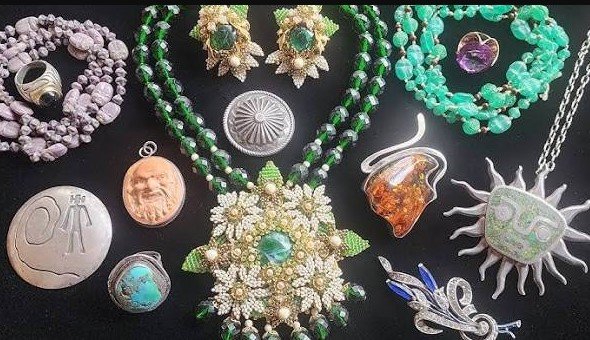
It is common for people to group all non-gemstone jewelry together, but there is a clear distinction between vintage paste and modern costume jewelry. Costume jewelry, which became very popular in the 20th century, often uses plastic, rhinestones, or acrylic set in base metals like nickel or brass. Paste jewelry is the ancestor of costume jewelry, but it is made with a level of care and material quality that puts it in a different league.
Spotting the Difference
If you are shopping for jewelry, look at the metal. Is it silver? Does it look like it was hand-finished? If the metal looks cheap, thin, or discolored, it is likely mass-market costume jewelry. If the setting feels substantial, shows signs of intricate metalwork, and the stones look clear and vibrant, you have likely found a piece of true paste jewelry. Trust your eyes and your hands—the quality difference is usually obvious once you start looking closely.
Where to Find and How to Buy Paste Jewelry
Antique Markets and Auctions
If you want to start a collection, your best bet is to look at reputable antique dealers or estate auctions. Many online platforms now cater specifically to collectors of vintage accessories. When you find a piece you like, don’t be afraid to ask the seller questions. A good seller will be able to tell you the estimated era of the piece. They might even be able to show you close-up photos of the settings, which helps you confirm the quality.
Building a Collection
Start small. Look for pieces that speak to your personal style. Maybe you love the bold, dramatic look of a large Victorian-style pendant, or perhaps you prefer the subtle elegance of a pair of vintage paste earrings. As you learn more, you will find yourself naturally drawn to certain periods. Remember, the most important part of collecting is that you love the piece. Jewelry is meant to be worn and enjoyed, so choose items that make you feel beautiful every time you put them on.
Conclusion
Paste jewelry is far more than a simple imitation. It is a celebration of light, beauty, and human ingenuity. By choosing to wear or collect these pieces, you are honoring the artisans of the past and continuing a tradition of elegant, accessible luxury. Whether you are adding to your collection in 2026 or just learning about these sparkling wonders for the first time, I hope you see paste jewelry with new eyes.
Next time you see a glint of light catching a vintage piece, take a closer look. You might just be looking at a masterpiece of glass-cutting that has been shining for over a hundred years. Embrace the charm of paste jewelry, and let it bring a little extra brilliance into your everyday life. After all, life is short—you might as well sparkle.
Frequently Asked Questions
What is the difference between paste and rhinestones?
Paste is made from high-quality leaded glass that is cut to mimic the fire of real gemstones, whereas rhinestones are typically made of lower-quality glass or plastic. Paste is generally older, hand-cut, and set with higher craftsmanship compared to modern, machine-made rhinestones.
Is paste jewelry valuable?
While the materials themselves are not as expensive as diamonds, authentic antique paste jewelry is highly valuable to collectors. Value is determined by the age, the complexity of the design, the quality of the silver or gold setting, and the rarity of the piece.
Can I wear paste jewelry every day?
You can wear it, but you must be careful. Paste is softer than real gemstones and can scratch or chip easily, so it is best to treat it like a delicate heirloom rather than a rugged piece for everyday wear.
How do I know if my jewelry is paste?
Look for signs of age like closed-back settings, foil linings behind the glass, and a heavier feel than typical plastic costume jewelry. If you are unsure, a local jeweler can often help you identify the materials used in your piece.
Did royalty wear paste jewelry?
Yes, historically, European royalty and nobility often wore high-quality paste jewelry. It was a practical way to enjoy magnificent, large-scale jewelry designs without the immense safety risks associated with wearing valuable diamonds in public.
How should I clean antique paste jewelry?
Avoid liquids and ultrasonic cleaners, as they can damage the foil backing or loosen the stones. Simply use a soft, dry, or slightly damp microfiber cloth to gently wipe the surface and keep it dust-free.