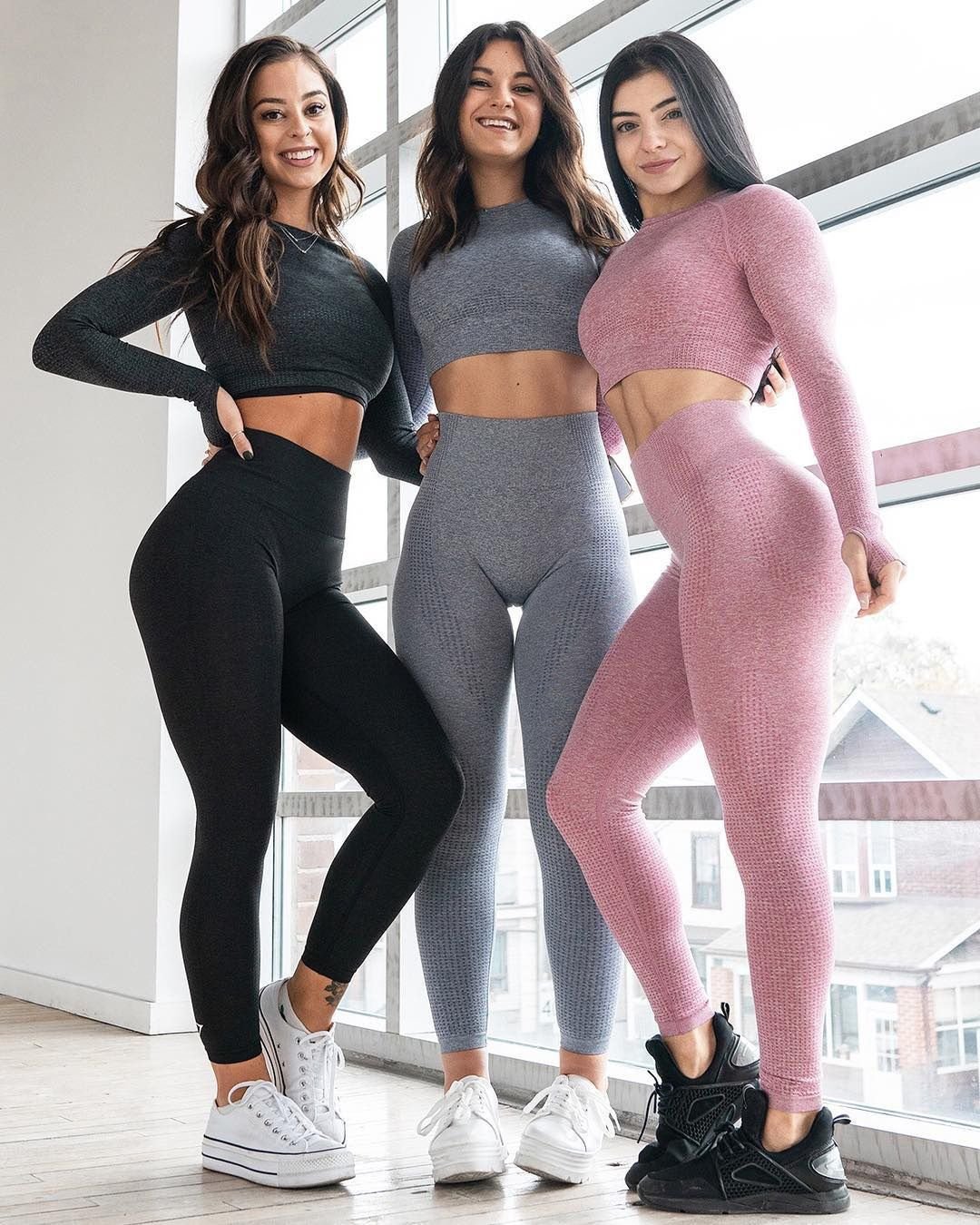
How To Wear Leggings To The Gym: Best Fit Tips
At gyms across the United States, leggings are a common choice for strength training, cardio, classes, and warm-ups. The best pair should stay in place, allow full movement, manage sweat, and provide enough coverage for the exercises you plan to do. Wear them with a supportive top, suitable shoes, and layers that match the workout and gym temperature.
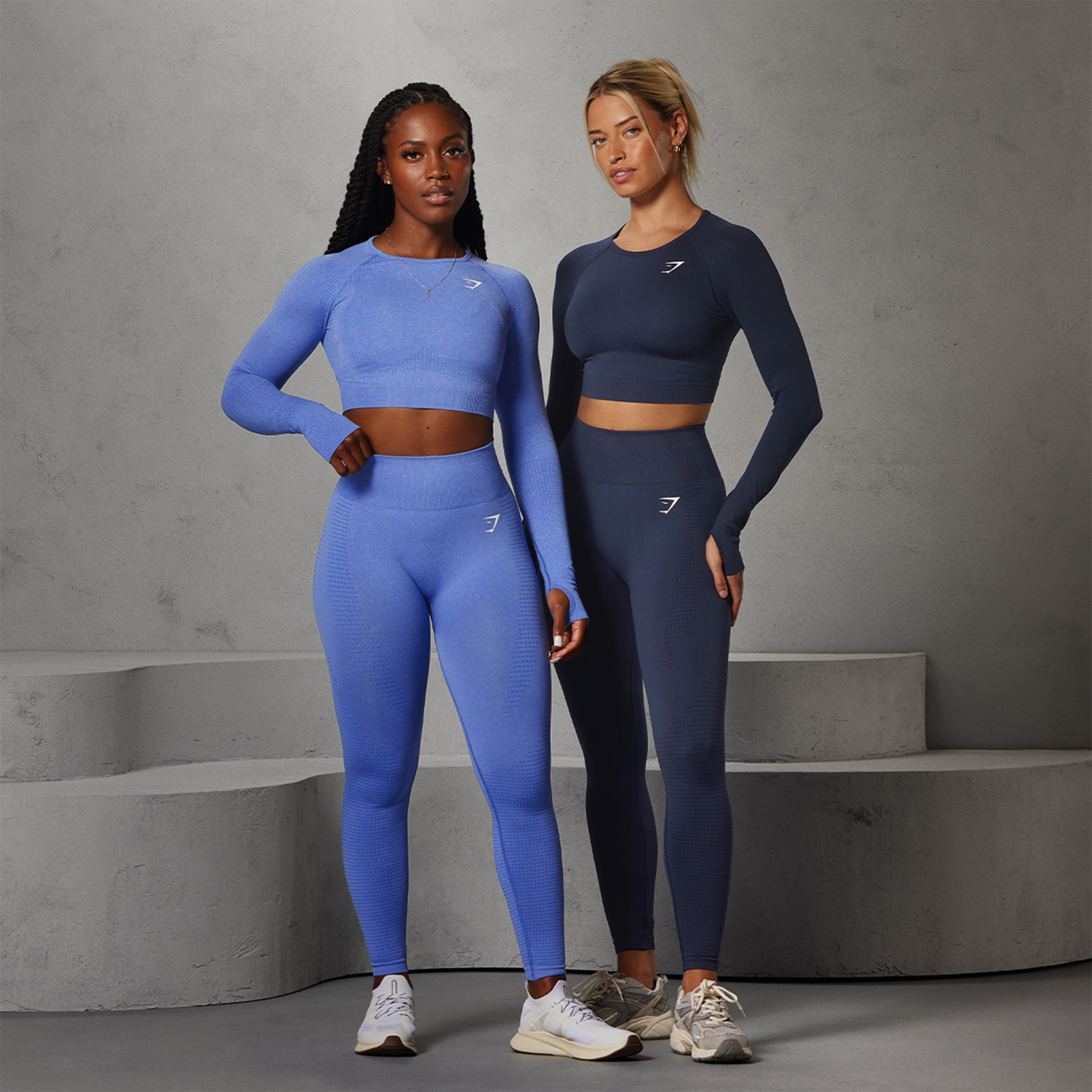
Choose the Right Leggings for Your Workout
The right leggings depend on your activity, body movement, and comfort needs. A pair that works well for a treadmill session may not be ideal for heavy squats or a hot yoga class.
Look for these features:
- A secure waistband: It should stay up without digging into your stomach.
- Stretch: The fabric should move with your hips, knees, and ankles.
- A comfortable fit: Leggings should feel close to the skin but not restrict breathing or movement.
- A gusseted crotch: A gusset is a shaped fabric panel that can reduce pulling and improve range of motion.
- Moisture management: Sweat-wicking fabric can help move moisture away from the skin.
- Sufficient coverage: The material should remain opaque when you bend, squat, or stretch.
- Flat seams: These may reduce rubbing during long workouts.
- The right length: Choose full length, 7/8 length, capri, or shorts based on the activity and your preference.
Match the rise to your workout
High-rise leggings cover more of the waist and often feel more secure during squats, deadlifts, lunges, and floor exercises. Mid-rise leggings may feel cooler and less restrictive for some people.
The waistband should sit flat. If it rolls down during a warm-up, the size, rise, or waistband design may not suit your body.
Match the fabric to the activity
For high-sweat workouts, synthetic blends such as polyester, nylon, and elastane are common. They often dry faster than cotton. Cotton may feel soft, but it can hold moisture and become heavy during long or intense sessions.
For strength training, choose fabric with enough stretch for deep knee and hip movement. For indoor cycling, a close fit can help prevent loose fabric from catching on equipment.
No fabric works perfectly for every person. Skin sensitivity, climate, workout length, and personal preference all affect comfort.

Get the Fit Right Before You Leave Home
Leggings should feel secure without causing pain, numbness, or restricted movement. A tight appearance does not automatically mean a good fit.
Use this simple fit check:
- Stand normally. Check that the waistband lies flat and does not pinch.
- Bend your knees. The fabric should not cut into the back of your knees.
- Perform a bodyweight squat. Watch for excessive sheerness, pulling, or waistband movement.
- Raise one knee at a time. The leggings should move without sliding down.
- Walk for several minutes. Notice whether the fabric creeps, twists, or rubs.
- Lift your arms and bend forward. Check whether the waistband exposes more skin than you want.
- Check the seams. They should not press sharply into the groin, hips, or waist.
How tight should gym leggings be?
Gym leggings should provide light, even contact with the skin. They should not create pain, tingling, numbness, shortness of breath, or deep marks that remain after you change.
A useful rule is simple: if you must keep adjusting the leggings, they are not functioning well for your workout. Try a different size, rise, fabric, or waistband.
How to check squat-proof coverage
“Squat-proof” is an informal term. It does not guarantee that every pair will remain opaque on every body or under every light.
Test the leggings in bright light before wearing them to the gym. Use a mirror or ask someone you trust to check the back and side views. Bend, squat, lunge, and stretch. Dark colors are not always more opaque, and a thicker fabric is not always better if it limits movement.

Wear the Right Base Layers
The best underwear for leggings is the option that stays comfortable and does not bunch, rub, or show more than you prefer.
Many people choose:
- Seamless underwear to reduce visible lines
- Moisture-wicking underwear for sweaty sessions
- A supportive athletic brief for running or jumping
- A thong or minimal-seam style if that feels comfortable
- No underwear only if the leggings provide the coverage and support you want
There is no single correct choice. Comfort, hygiene, skin sensitivity, and personal preference matter more than appearance.
Avoid underwear that stays damp for a long time or creates repeated friction. Change out of sweaty clothing after exercise when possible. If you develop persistent irritation, itching, pain, or a rash, stop using the irritating garment and consider medical advice.
Do you need compression leggings?
Compression leggings apply more pressure than standard leggings. Some people like the secure feel during running or training. Others find them too warm or restrictive.
Compression clothing is not required for ordinary gym workouts. Choose it for comfort and fit rather than assuming it will automatically improve performance. If compression causes pain, numbness, swelling, or skin color changes, remove it.
People with medical conditions that affect circulation should ask a qualified health professional before using firm compression garments.

Pair Leggings With a Supportive Gym Outfit
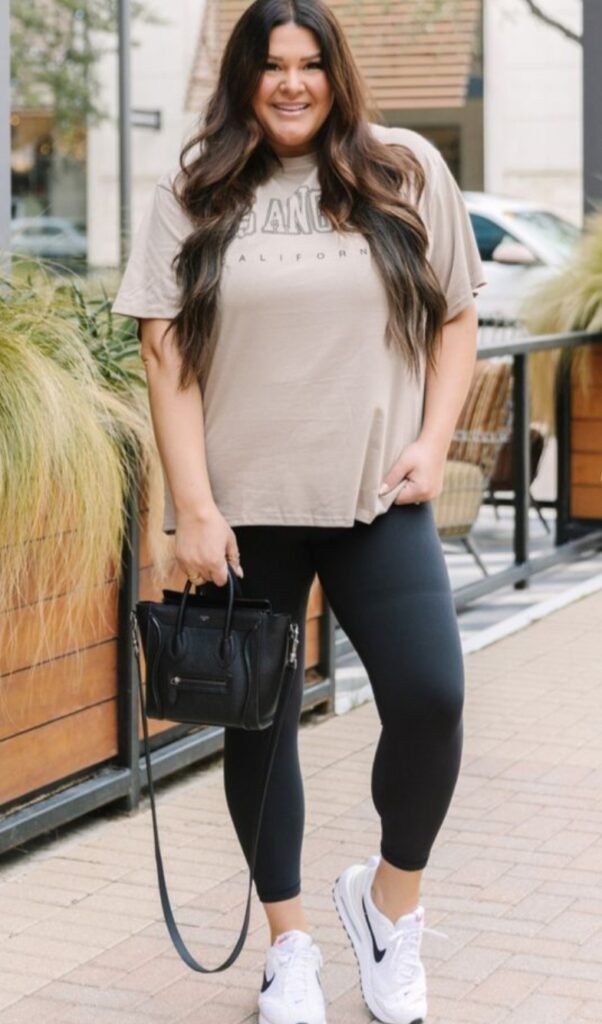
A simple gym outfit usually includes leggings, a workout top, sports bra if needed, socks, and training shoes. Each part should support the movement you plan to do.
Choose the top based on movement
For strength training, a fitted or semi-fitted shirt can reduce loose fabric getting in the way. For cardio, choose a breathable top that allows arm movement.
A cropped top can work well with high-rise leggings if you are comfortable with the amount of coverage. A longer shirt can provide extra coverage during floor exercises or when using shared gym equipment.
Avoid shirts that ride up during overhead presses, downward-facing positions, or stretches unless you are comfortable adjusting them.
Choose shoes based on the workout
Leggings do not determine shoe choice. Use shoes that suit the activity:
| Workout | Shoe features to consider |
|---|---|
| Treadmill walking or running | Comfortable fit, suitable cushioning, and secure heel hold |
| Weight training | Stable base and secure fit |
| Indoor cycling | Shoes designed for the bike system, if required |
| Group fitness | Grip, support, and flexibility suited to the class |
| Yoga or Pilates | Bare feet or studio-approved socks, based on facility rules |
Do not use running shoes for every workout by default. Running shoes may feel soft but can be less stable for some lifting movements. The best choice depends on your training plan and any advice from a qualified coach or health professional.
Add layers for U.S. gym conditions
Indoor gyms in the United States can feel cool before a workout and warm after several minutes of movement. A lightweight hoodie, zip jacket, or loose long-sleeve shirt can help during warm-ups.
Remove layers as you heat up. Keep a clean layer for the trip home if your clothing becomes soaked with sweat.

Wear Leggings for Different Types of Workouts
Strength training
High-rise leggings with a stable waistband work well for squats, lunges, deadlifts, and floor exercises. Test the fabric in a deep squat before starting.
Choose a material that does not feel overly thin under tension. Check the waistband between sets because repeated bending can reveal whether it stays in place.
For barbell exercises, make sure zippers, thick seams, or drawcords do not press against the bar or your skin.
Cardio and running
For treadmill, elliptical, or stair workouts, choose leggings that stay secure during repeated movement. A small pocket can hold a key or card, but do not place hard objects where they can cause pressure or discomfort.
If you run outdoors in cold U.S. weather, consider a warmer layer over or under the leggings. In hot conditions, lighter fabric or shorter bottoms may feel more comfortable.
Cycling
Close-fitting leggings can reduce loose fabric near the pedals and moving parts. Avoid excess straps, long drawstrings, or loose layers that could catch on equipment.
Padded cycling shorts may provide more comfort for longer rides than ordinary leggings. If you wear leggings over padded shorts, check that the layers do not bunch.
Yoga, Pilates, and stretching
Soft, flexible leggings with a flat waistband are often comfortable for floor work. Check coverage in wide-leg folds, forward bends, and inverted positions.
Avoid fabric that slides easily on the mat if that makes it harder to hold a pose. Follow the studio’s rules about footwear, towels, and equipment.
High-intensity classes
For dance, boot camp, circuit training, or interval classes, choose leggings that allow quick changes of direction. Secure pockets, flat seams, and sweat control may matter more than appearance.
Bring a spare top or underwear if the class is long and you tend to sweat heavily.

Prevent Chafing, Overheating, and Skin Irritation
Leggings can reduce friction in some areas, but the wrong fit or damp fabric can make rubbing worse. Chafing often develops where skin or fabric rubs repeatedly, such as the inner thighs, waistband, groin, or underarms.
To reduce the risk:
- Choose the correct size rather than forcing a smaller size.
- Look for smooth or flat seams.
- Keep the fabric dry when possible.
- Apply an anti-chafing product only if it is safe for the intended skin area.
- Change out of wet clothing after exercise.
- Wash leggings according to the care label.
- Stop wearing a pair that causes repeated irritation.
Do not use a product on broken skin unless a health professional tells you to. Seek medical advice for severe pain, spreading redness, pus, fever, or a rash that does not improve.
Overheating is also possible, especially with thick or tight layers. In a hot gym, drink fluids according to your needs and take breaks if you feel dizzy, weak, confused, nauseated, or unusually short of breath. Stop exercising and seek urgent help for severe symptoms.

Follow Gym Etiquette and Hygiene
Leggings are appropriate in most U.S. gyms, but facility rules can differ. Check the gym’s dress code before attending, especially for group studios, climbing areas, or specialty equipment.
Good gym habits include:
- Wear clean clothing for each workout.
- Use a towel where the facility asks you to do so.
- Wipe shared equipment after use according to posted rules.
- Avoid clothing with exposed metal or rough parts that may damage benches.
- Keep pockets free of objects during exercises that require lying down.
- Wear clothing that provides the coverage you want during bending and stretching.
- Follow class rules about shoes and bare feet.
- Do not adjust clothing repeatedly in a way that interrupts your workout or affects nearby members.
Gym hygiene is not only about how leggings look. Sweat, friction, and shared surfaces can affect skin comfort and equipment cleanliness.

Wash and Care for Gym Leggings
Proper care can help leggings keep their shape and reduce odor. Always follow the garment’s care label because fabric blends differ.
A practical routine is:
- Turn leggings inside out before washing.
- Wash them soon after a sweaty workout.
- Use a mild detergent if the care label permits.
- Avoid fabric softener when the manufacturer warns against it.
- Air-dry when possible, or use the dryer setting listed on the label.
- Do not store damp leggings in a gym bag.
- Inspect seams, elastic, and fabric stretch from time to time.
Strong odor after washing may mean the leggings are not drying fully, too much detergent is being used, or the garment needs replacement. Do not use heat that damages elastane or elastic fibers.
Replace leggings when they become see-through during normal movement, lose their shape, develop rough seams, or no longer provide the support you need.

Common Mistakes to Avoid
Choosing a smaller size for extra support
A smaller size may roll down, strain seams, and restrict movement. A supportive waistband comes from design and fit, not simply from tighter fabric.
Wearing leggings without testing movement
Leggings can look fine while standing but become sheer or uncomfortable during a squat. Test the movements you will perform.
Ignoring fabric weight
Thick leggings may feel supportive but can become hot. Thin leggings may feel cool but may provide less coverage. Choose based on the workout and climate.
Carrying hard items in a tight pocket
Keys, phones, and cards can press into your skin during floor work. Use a locker or a secure gym bag when possible.
Wearing wet leggings for hours
Extended contact with damp fabric can increase discomfort and irritation. Change when practical, especially after a long workout.
Assuming leggings replace a sports bra
Leggings support the lower body. They do not provide upper-body support. Choose a sports bra based on the activity and the level of support you need.

Quick Takeaways
- Pick leggings that stay in place without pain or numbness.
- Test them with squats, lunges, bends, and stretches.
- Choose fabric based on sweat, temperature, and workout type.
- Wear underwear that reduces rubbing and stays comfortable.
- Pair leggings with suitable shoes and a supportive top.
- Change out of damp clothing after exercise.
- Follow your gym’s dress and equipment rules.
- Replace leggings when they become sheer, loose, damaged, or irritating.
Frequently Asked Questions
Should leggings be tight for the gym?
Leggings should fit close to the body but should not cause pain, numbness, breathing difficulty, or restricted movement. If they roll down or leave deep marks, try another size or style.
Can I wear leggings for weightlifting?
Yes. Leggings can work well for weightlifting when they allow full movement and provide adequate coverage. Check that seams, drawcords, and zippers do not cause pressure during barbell or floor exercises.
What should I wear under gym leggings?
Wear whatever feels comfortable and reduces rubbing. Seamless or moisture-wicking underwear is common, but there is no universal requirement. Avoid damp or irritating fabric.
Are cotton leggings good for workouts?
Cotton leggings may feel soft, but cotton can hold sweat and dry slowly. For long or intense workouts, a moisture-wicking blend may feel more comfortable. The best choice depends on the workout and your personal preference.
How do I stop leggings from rolling down?
Check the size, waistband height, fabric stretch, and fit. A waistband that rolls may be too tight, too loose, too soft, or poorly matched to your body shape. A different rise or design may solve the problem.
How many pairs of gym leggings should I own?
The number depends on how often you train and how often you do laundry. Keep enough clean pairs to avoid rewearing damp clothing. Two or three pairs may suit occasional training, while frequent workouts may require more.
Final Recommendation
Wear leggings that let you move freely, stay opaque during your real exercises, and remain comfortable as you sweat. Test the fit before leaving home, match the fabric and length to your workout, and change out of damp clothing afterward. When a pair causes pain, irritation, slipping, or repeated adjustment, replace it with a better-fitting option rather than trying to endure it.