What Does 926 on Jewelry Mean? Where Do These Marks Come From?
When you see the mark 926 on a piece of jewelry, it is likely a variation or a misspelling of the standard 925 sterling silver hallmark. While 925 is the international industry standard for sterling silver, 926 is occasionally used by independent jewelers or indicates a slightly higher silver purity. Understanding these stamps is essential for any collector in 2026 to ensure you are getting the quality you paid for.
You are browsing through a local antique shop in 2026, or perhaps you are sorting through a family heirloom box, when you spot a tiny inscription on the inside of a silver ring. You grab your magnifying glass and squint
It does not say 925, which is the mark you have always looked for. Instead, it reads 926. Suddenly, you find yourself asking, what does 926 on jewelry mean? You are not alone, and it is a common point of confusion for collectors and fashion enthusiasts alike.
In the world of fine jewelry, stamps or hallmarks are the language through which metals speak to us. They tell us exactly what we are wearing, how much it is worth, and what kind of care it needs. While the industry is dominated by the global standard of 925 sterling silver, variations like 926 exist for specific reasons. In this guide, we will break down the mysteries of these numbers and help you become a more confident jewelry buyer.
Key Takeaways
- The Standard vs. The Variation: The 925 mark represents 92.5% silver, while 926 suggests a slightly higher silver content or is simply a manufacturer variation.
- Check for Authenticity: Always look for additional maker marks or country-of-origin stamps to verify the piece’s legitimacy.
- Magnet Test: Genuine sterling silver is non-magnetic, which is a quick and easy way to test your jewelry at home.
- Why Stamps Matter: Hallmarks protect the consumer by confirming the metal composition and ensuring the value of the item.
- Beware of Fakes: A stamp is not a guarantee of purity; always purchase from reputable sources to avoid plated or base-metal imitations.
- Care for Silver: Regardless of whether it is marked 925 or 926, all silver jewelry requires regular cleaning and proper storage to prevent tarnish.
Understanding the Language of Hallmarks
To understand what 926 on jewelry means, we first have to look at how silver is categorized. Pure silver is naturally very soft. If you made a ring out of 100% pure silver, it would bend or break within days of regular wear. To fix this, jewelers mix pure silver with a hardening agent, usually copper.
The 925 Sterling Standard
The term “Sterling Silver” refers to an alloy that is 92.5% pure silver and 7.5% other metals. This specific ratio creates the perfect balance: it is durable enough for everyday jewelry but retains the brilliant luster of fine silver. This is why you see the “925” stamp on everything from wedding bands to expensive necklaces.
Is 926 Different?
When you see 926, it often represents a “slightly purer” silver alloy. Because the composition is 92.6% silver, it is technically higher in purity than standard sterling silver. Some artisans use this specific alloy to distinguish their work as being of slightly higher quality than mass-produced 925 items. However, in most cases, 926 is essentially used interchangeably with 925, and the difference in physical properties is negligible to the naked eye.
Where Do These Marks Come From?
Hallmarks are not just random numbers. They have a history that dates back centuries, designed to protect buyers from fraud. In 2026, regulations on jewelry hallmarking are stricter than ever, but small variations still find their way into the market.
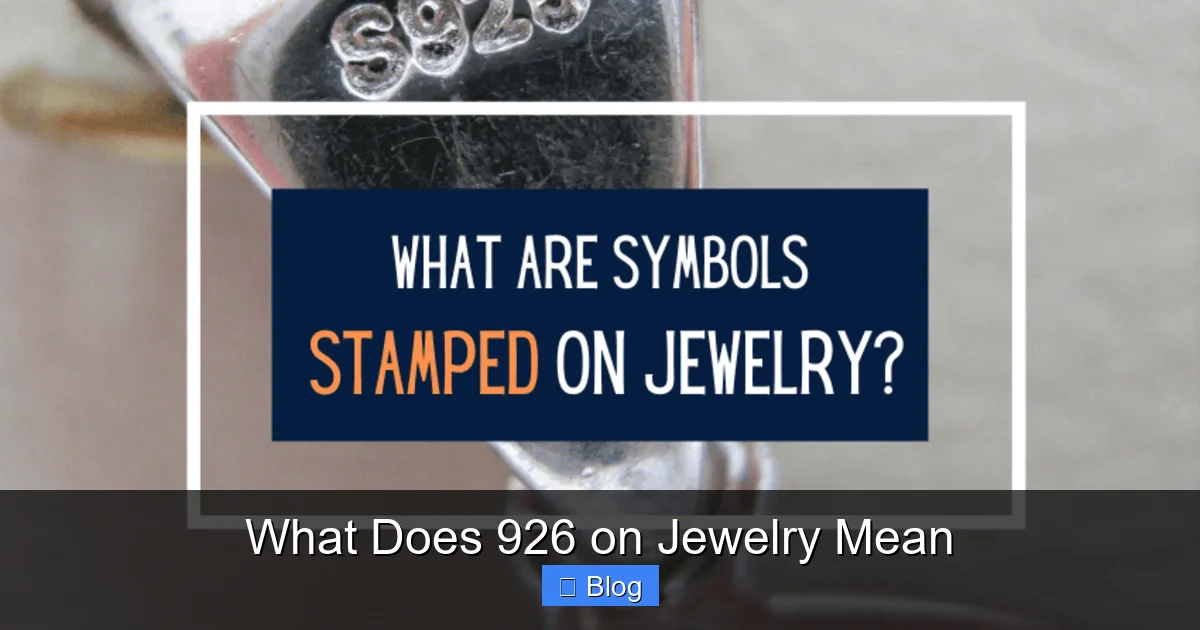
Visual guide about What Does 926 on Jewelry Mean
Image source: jewelryshoppingguide.com
Manufacturer Choices
Sometimes, a 926 stamp is a deliberate choice by a high-end designer. By using a 926 alloy, they can claim their silver is “above standard.” While it is not a massive difference, it becomes a marketing tool. For the wearer, this simply means you have a piece of high-quality silver that adheres to very strict purity standards.
Production Errors and Variations
Of course, we cannot rule out human error. In mass manufacturing, stamps are often applied by machines or small punches. If a die is slightly worn or a manufacturer prefers a specific labeling system for their inventory, 926 might appear on jewelry that is essentially standard sterling. Always look for other signs of quality, such as the weight of the piece and the presence of a maker’s mark.
How to Verify Your Jewelry
Finding a 926 stamp is only the first step. Because counterfeit jewelry is unfortunately a reality, you should always perform a few simple tests to ensure that your 926 jewelry is actually silver.
The Magnet Test
Silver is a non-ferrous metal, meaning it is not magnetic. Take a strong magnet a neodymium magnet works best and hold it near your piece. If the jewelry is attracted to the magnet, it contains iron or nickel and is definitely not high-quality silver. If it remains completely still, you are on the right track.
The Weight and Feel
Real silver has a certain “heft” to it. It should feel cool to the touch and substantial for its size. If the piece feels extremely light or hollow, it may be a base metal that has been silver-plated. A 926 stamp on a piece that feels like plastic or light aluminum is a major red flag.
Look for Maker’s Marks
High-quality jewelry usually features more than just a purity stamp. You will often see an additional mark, known as a maker’s mark or sponsor’s mark. This identifies who made the piece. If you see “926” but no other identifying symbols, be a little more cautious.
Caring for Your Silver
Whether your piece is stamped 925 or 926, the care instructions are identical. Silver is prone to tarnishing when it reacts with sulfur in the air, but with proper care, you can keep your jewelry shining for decades.
Daily Wear Tips
One of the best ways to keep silver clean is to wear it. The oils in your skin help prevent the silver from oxidizing as quickly. If you plan to store your jewelry for a long time, keep it in an airtight bag or a tarnish-resistant cloth box.
Cleaning at Home
If your 926 silver starts to look dull, do not panic. You can clean it easily with a soft microfiber cloth and a mild soap solution. Avoid using harsh chemicals or abrasive scrubs, as these can scratch the surface of the metal and damage the hallmark stamp over time.
The Future of Jewelry Hallmarking
As we move further into 2026, the jewelry industry is seeing more transparency. Buyers are more informed than ever thanks to the internet. While “926” might be rare, it is just one example of the specialized stamps used by modern jewelers to communicate their craft.
Why Transparency Matters
When you buy a piece, you deserve to know what is in it. Always ask the seller for a description of the metal content. If you are shopping online, look for photos that clearly show the hallmark. A seller who is proud of their work will be happy to point out these stamps to you.
Buying with Confidence
The most important tip for any shopper is to buy from reputable retailers. Whether it is a local boutique or a trusted online site, established sellers have a reputation to maintain. They will not risk their business by mislabeling base metal as 926 or 925 silver.
Conclusion
So, what does 926 on jewelry mean? It is a hallmark indicating high-purity silver, often found in high-end or artisan-crafted pieces. While it differs slightly from the industry-standard 925, it generally signifies the same high level of quality and craftsmanship you would expect from genuine sterling silver.
Knowing how to read these marks empowers you to make smarter purchases and care for your collection more effectively. Next time you see a 926 stamp, you can feel confident knowing exactly what you are holding. Enjoy your jewelry, wear it with pride, and keep that silver shining bright!
Frequently Asked Questions
Is 926 jewelry more valuable than 925 jewelry?
Technically, 926 has a slightly higher silver content, but the difference is so small that it does not significantly increase the market value. The value of a piece is usually determined by the design, brand, and craftsmanship rather than the minor difference between 925 and 926.
Can I use jewelry cleaner on 926 items?
Yes, you can use standard silver cleaning solutions on 926 jewelry. Since it is essentially a high-quality silver alloy, the same cleaning agents safe for 925 sterling will be perfectly fine for 926.
What if my jewelry is marked 926 but has a copper color showing through?
If you see a copper or reddish hue, the piece is likely silver-plated rather than solid silver. A genuine 926 or 925 hallmark usually indicates the item is made of the same metal throughout, not just a thin coating.
Why don’t all silver items have a hallmark?
Not every country requires jewelry to be hallmarked, and some smaller artisan pieces may be too delicate or small to hold a stamp. However, reputable jewelers will usually include a stamp to signify the quality of their metal.
Is 926 silver hypoallergenic?
Most sterling silver alloys, including 926, are generally hypoallergenic. However, because they contain a small percentage of copper, individuals with severe copper allergies should be mindful when wearing these pieces for extended periods.
Can I verify my 926 jewelry at a local shop?
Yes, most local jewelers have professional testing equipment, such as an acid test kit or an XRF scanner, that can verify the purity of your metal instantly. If you are ever unsure, taking it to a professional is the best way to get a definitive answer.