How To Wear Yoga Leggings: Style Guide
Yoga leggings are easy to wear when you match the fit, fabric, and rise to the activity. In the United States, people wear them for yoga classes, gym workouts, errands, travel, and casual outfits. Choose leggings that stay in place, let you move, and provide the coverage you need. Then pair them with a top and shoes that suit the setting.
Introduction
The best way to wear yoga leggings is to treat them as both activewear and a base layer. For yoga, choose a flexible, opaque pair with a secure waistband. For daily wear, add a longer shirt, sweater, jacket, or tunic if you want more coverage. For exercise, wear a sweat-managing top and shoes made for the activity.
Yoga leggings should feel close to the body without pinching. You should be able to squat, bend, twist, and sit without the waistband rolling or the fabric becoming see-through. A good fit matters more than the brand, color, or current trend.

What Are Yoga Leggings?
Yoga leggings are close-fitting stretch pants made for movement. They often use a blend of nylon, polyester, or cotton with elastane, also called spandex. The fabric may include features such as moisture control, a gusseted crotch, flat seams, and a high-rise waistband.
Yoga leggings differ from some fashion leggings in three main ways:
- Stretch: They allow a wide range of movement.
- Support: They may use a firm waistband or compressive fabric.
- Coverage: Quality pairs should remain opaque during bends and squats when worn correctly.
Not every pair works for every purpose. Soft cotton leggings may feel good for low-impact use but hold more moisture during a hard workout. Compression leggings may feel secure during training but seem too tight for gentle yoga or lounging.
How Should Yoga Leggings Fit?
Yoga leggings should fit close to your skin but should not dig into your waist, hips, or ankles. The fabric should lie flat and remain smooth when you move.
Use this simple fit check:
- Stand straight. The waistband should sit where you expect it to sit. It should not fold, twist, or slide down.
- Bend forward. The leggings should stay in place and provide the coverage you want.
- Squat or sit. Check the seat and inner thighs for stretching, pulling, or transparency.
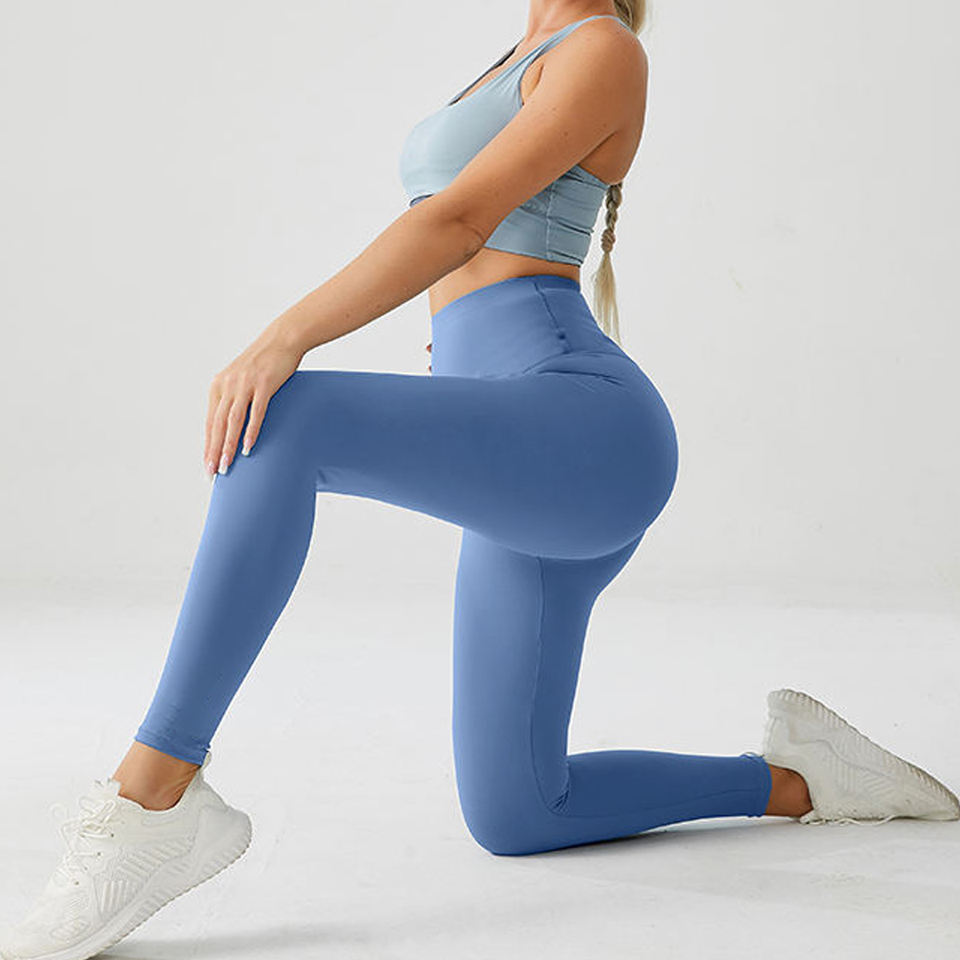
- Raise one knee at a time. The fabric should move with you instead of limiting your range.
- Walk for a few minutes. Look for slipping, bunching, or chafing.
A waistband that leaves deep marks may be too tight. A waistband that slides during simple movement may be too loose, too short, or made from fabric with poor recovery. “Recovery” means the fabric returns to its original shape after stretching.
High-rise, mid-rise, and low-rise leggings
- High-rise: Covers more of the abdomen and often stays in place during bends and twists.
- Mid-rise: Sits around the natural waist or just below it. It can feel less warm than a high-rise style.
- Low-rise: Sits lower on the hips. It may work for casual wear but can shift during yoga poses.
For most yoga sessions, a high-rise or secure mid-rise pair is the simplest choice. Your torso length and personal comfort still matter.
Full-length, 7/8, and capri leggings
Full-length leggings reach the ankle. They provide warmth and coverage.
Seven-eighths leggings end above the ankle. They can reduce extra fabric near the foot.
Capri leggings end around the mid-calf. They may feel cooler in warm studios, but the shorter length can expose more skin during some poses.

How to Wear Yoga Leggings for Yoga Class
For yoga, wear leggings that let you move without constant adjustment. A high-rise waistband, four-way stretch, and a smooth crotch area can make floor poses more comfortable.
Build a simple yoga outfit:
- Yoga leggings
- A fitted tank, T-shirt, or long-sleeve top
- A light layer for travel or the start of class
- Bare feet or studio-approved grip socks, based on the studio rules
Avoid tops that fall over your face during downward-facing dog. A fitted or semi-fitted top usually works better than a very loose shirt. If you prefer a loose top, choose one with a secure hem or wear a fitted layer underneath.
Choose the fabric based on the class
For hot yoga or vigorous flows, look for breathable fabric that dries fairly quickly. For restorative yoga, soft fabric and low pressure may matter more than strong compression.
The label alone cannot prove that a garment will perform well. Check the return policy when possible, and test the leggings through a full range of motion before removing tags. A pair that feels fine while standing may feel different during lunges or seated folds.

How to Wear Yoga Leggings Casually
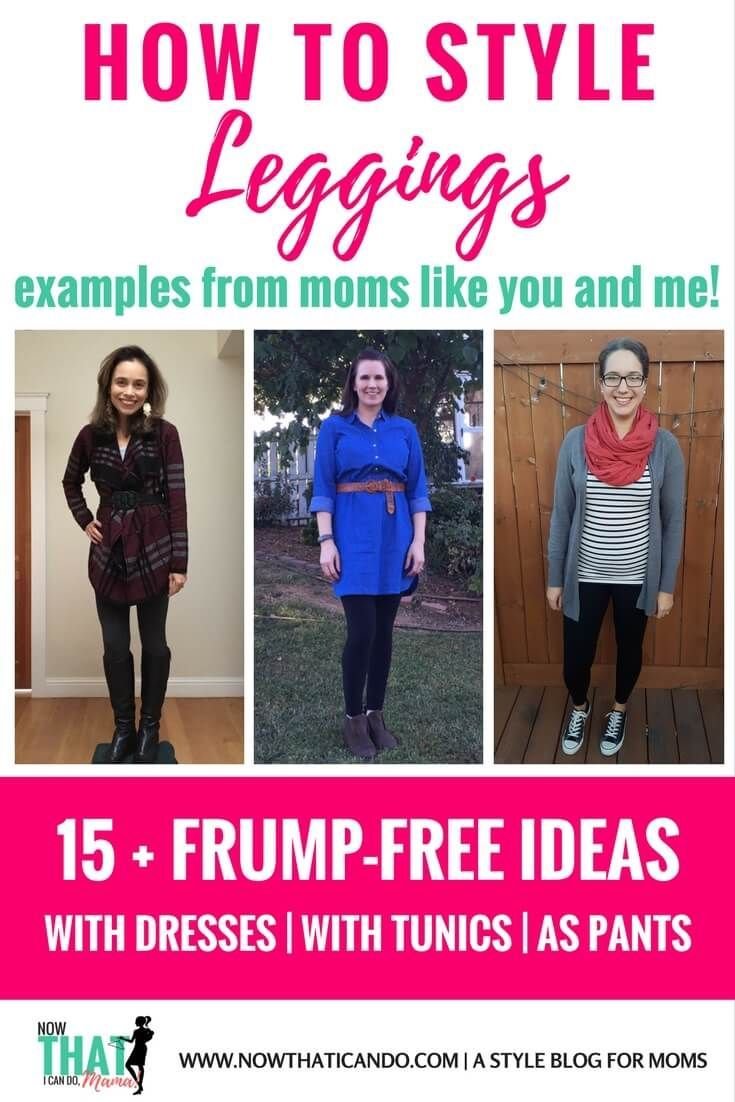
Yoga leggings can work for casual outfits when the rest of the clothing adds shape and balance. Since leggings are close to the body, a looser or longer top often creates an easy everyday look.
Try these outfit formulas:
1. Leggings with an oversized sweatshirt
Wear black or dark leggings with a sweatshirt that reaches the upper hip or lower. Add sneakers and a small crossbody bag. This look works well for errands, coffee runs, and travel.
2. Leggings with a long T-shirt
Choose a longer T-shirt with a clean shape. A denim jacket, utility jacket, or lightweight overshirt can add structure.
3. Leggings with a tunic
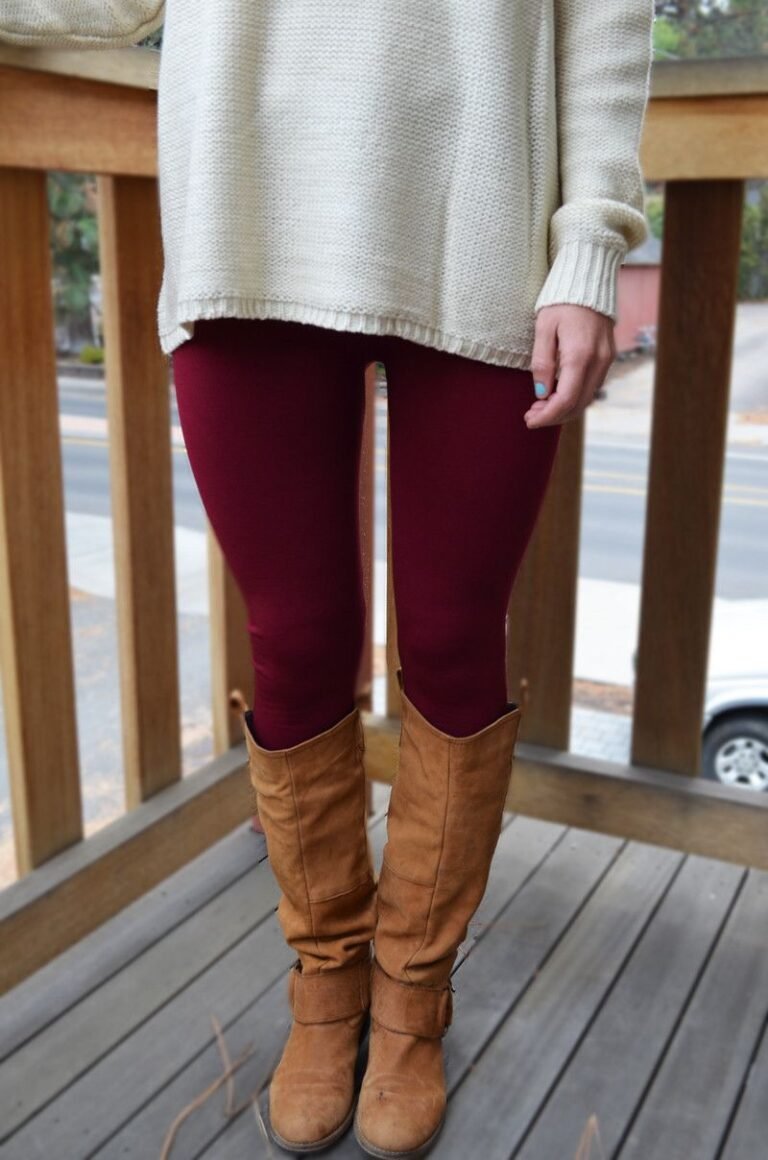
A tunic gives extra coverage over the hips and seat. Pair it with ankle boots, sneakers, or simple flats, depending on the weather and setting.
4. Leggings with a sweater
A long cardigan or relaxed sweater can soften the fitted shape of the leggings. Use a half tuck only if the top remains comfortable and provides the coverage you want.
5. Monochrome outfit
Match black leggings with a black, gray, navy, or cream top. Similar colors create a clean line and make it easier to add a jacket or bright accessory.
For a polished casual outfit, pay attention to the condition of the leggings. Replace pairs with worn elastic, thinning fabric, permanent pilling, or seams that no longer lie flat.
What Tops Look Best With Yoga Leggings?
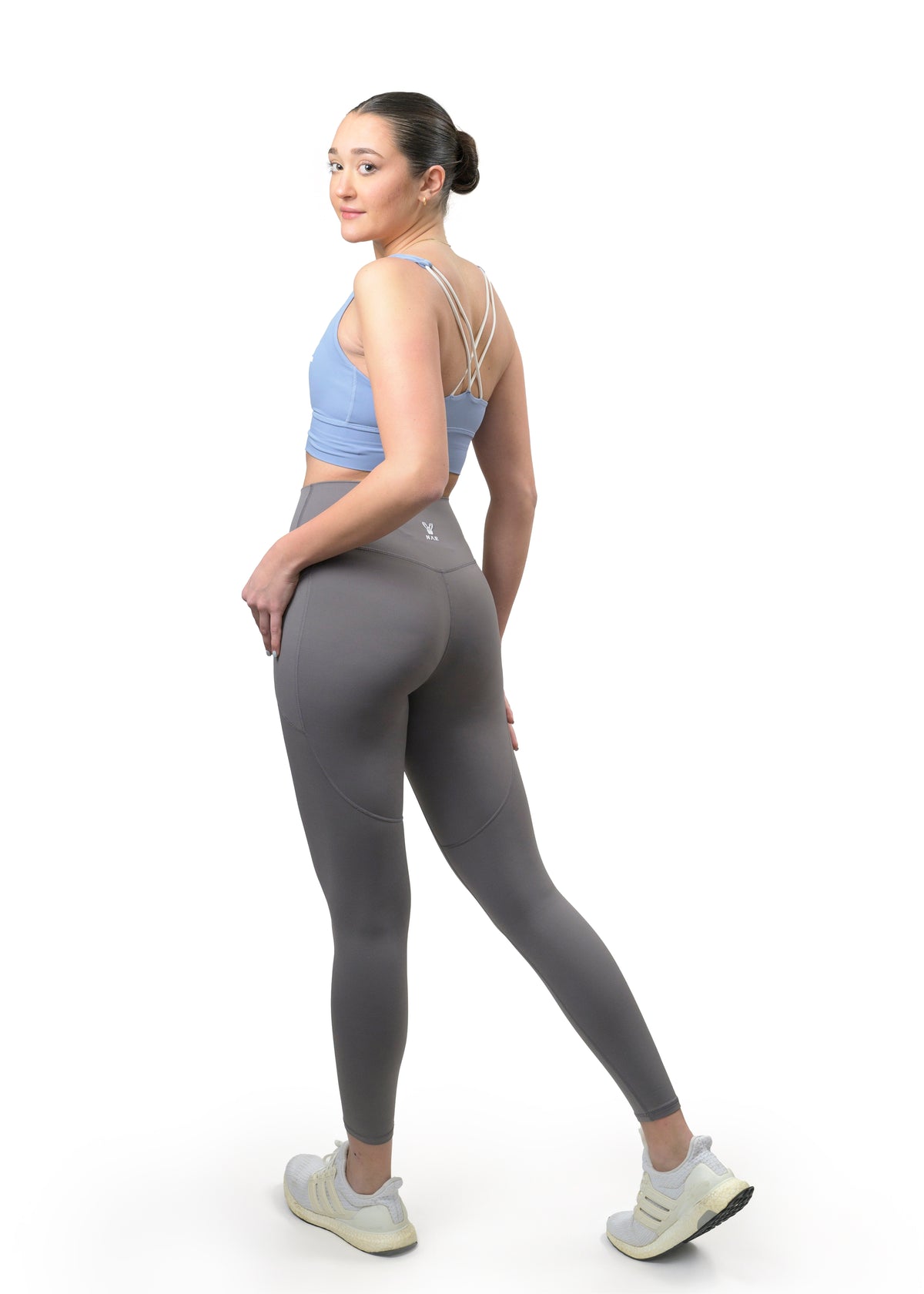
The best top depends on your preferred coverage, body proportions, and setting. There is no single correct length.
Good options include:
- Fitted tanks for yoga and gym sessions
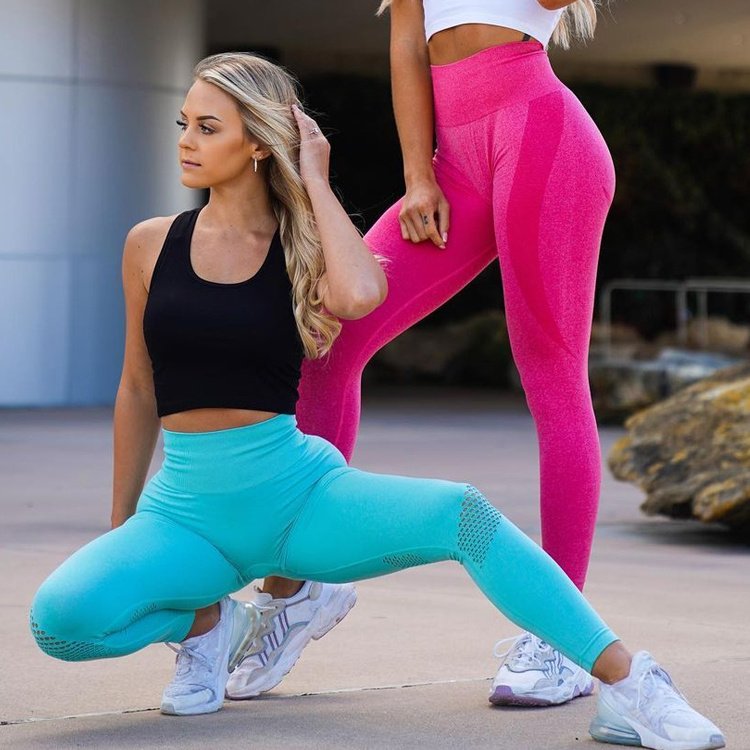
- Cropped tops with high-rise leggings
- Long T-shirts for casual outfits
- Button-down shirts worn open over a tank
- Tunics for more hip and seat coverage
- Sweaters and hoodies for cool weather
- Blazers or structured jackets for a sharper look
Use contrast to create balance. A fitted top with fitted leggings creates a streamlined outfit. A loose top creates a relaxed look. A structured jacket can make leggings feel more intentional for casual office settings, if that workplace allows them.
A waistband that shows under a thin top can distract from the outfit. Choose a smooth waistband, a longer top, or a layer with enough weight to prevent visible lines.

What Shoes Go With Yoga Leggings?
Choose shoes based on the activity, not only the outfit.
| Setting | Practical shoe choice |
|---|---|
| Yoga studio | Bare feet or approved grip socks |
| Walking | Supportive walking or training shoes |
| Gym strength training | Stable training shoes |
| Casual errands | Clean sneakers |
| Cool-weather outfit | Ankle boots with enough room for the hem |
| Travel | Comfortable shoes that are easy to remove |
Running shoes are designed for running and may not be the best choice for lifting or other gym activities. Yoga usually does not require shoes. Follow the rules of the studio or fitness center.
Keep the leg opening in mind. A narrow ankle opening works well with sneakers and boots. A loose or flared opening may bunch inside a shoe.
How to Wear Yoga Leggings in Cold and Hot Weather
Layer yoga leggings according to temperature and activity level.
Cold weather
Wear full-length leggings with:
- A thermal or long-sleeve base layer
- A fleece, wool, or insulated top layer
- A coat suited to the weather
- Socks and shoes that do not compress the toes
If you will exercise outdoors, choose fabric and layers that match wind, rain, and temperature. Leggings alone may not provide enough protection in cold or wet conditions.
Warm weather
Choose lighter fabric, a shorter length, or a breathable top. A loose tank or moisture-managing shirt can help reduce heat buildup.
Dark colors may feel warmer in direct sun, while light colors can show sweat or stains more easily. The best choice depends on the activity and the environment.

What Underwear Should You Wear With Yoga Leggings?
Choose underwear that stays flat, feels comfortable, and does not create rubbing. The best style depends on the fabric and fit of the leggings.
Possible options include:
- Seamless underwear to reduce visible lines
- Breathable briefs for coverage and comfort
- Performance underwear for workouts
- A well-fitting thong if that is your preference
Avoid underwear that cuts into the skin or shifts during movement. If seams cause irritation, try a different cut or fabric. No underwear choice is required for everyone; comfort and personal preference should guide the decision.
For long workouts, change out of damp clothing when practical. Moisture and friction can contribute to skin irritation. If you develop ongoing pain, rash, itching, or sores, stop wearing the item and seek advice from a qualified health professional.

How to Check If Yoga Leggings Are See-Through
Test leggings in bright light before wearing them in public or to class. Thin fabric may look opaque in a dim fitting room but become transparent when stretched.
Use this check:
- Put on the leggings with the underwear you plan to wear.
- Stand near a bright window or under strong indoor light.
- Bend forward and squat.
- Turn around and check the seat and inner thighs.
- Ask a trusted person to check the back if you cannot see it clearly.
- Move through several yoga positions if the leggings are for practice.
A fabric that becomes noticeably transparent is not suitable for the coverage you need. Going up one size may help if the leggings are overstretched, but it will not fix fabric that is naturally too thin.

Common Mistakes When Wearing Yoga Leggings
Small problems often come from the wrong size, fabric, or setting.
Wearing leggings that are too tight
Very tight leggings can restrict movement and create pressure points. Compression should feel even, not painful. If you feel numbness, tingling, sharp pressure, or skin pain, remove the garment.
Choosing fashion over function
A bright color or trendy cut may look appealing, but it may not suit a hot class, long walk, or deep squat. Match the garment to the activity first.
Ignoring the care label
Heat, rough washing, and fabric softener can affect stretch fabrics. Follow the care label on the garment. The Federal Trade Commission requires care instructions on most textile products sold in the United States, but the correct method still varies by fabric and construction.
Wearing damaged leggings
Pilling alone may be cosmetic, but thinning fabric, loose seams, and weak elastic can affect comfort and coverage. Replace the leggings when repair is not practical.
Treating every legging as professional clothing
Leggings may be accepted in some workplaces and not in others. Check the dress code. Add a longer top or structured layer when you need a more polished appearance.

How to Wash and Care for Yoga Leggings
Proper care can help preserve stretch and reduce odor.
- Read the garment care label before washing.
- Turn leggings inside out.
- Wash with similar soft items.
- Avoid rough items with zippers or hooks.
- Use cool or warm water as directed.
- Skip fabric softener unless the care instructions allow it.
- Air-dry when practical.
- Avoid high heat unless the label permits it.
Do not store leggings while they are damp. Let them dry fully first. If an item keeps a strong odor after washing, inspect the care method and detergent use. A persistent odor can also mean the fabric is holding body oils or has reached the end of its useful life.

A Simple Yoga Leggings Decision Guide
Use this guide when choosing what to wear:
| Your main need | Look for | Avoid |
|---|---|---|
| Gentle yoga | Soft stretch and a comfortable waistband | Rigid or highly compressive fabric |
| Vinyasa or strength work | Secure fit and strong stretch | A waistband that rolls |
| Hot yoga | Breathable, sweat-managing fabric | Heavy fabric that stays wet |
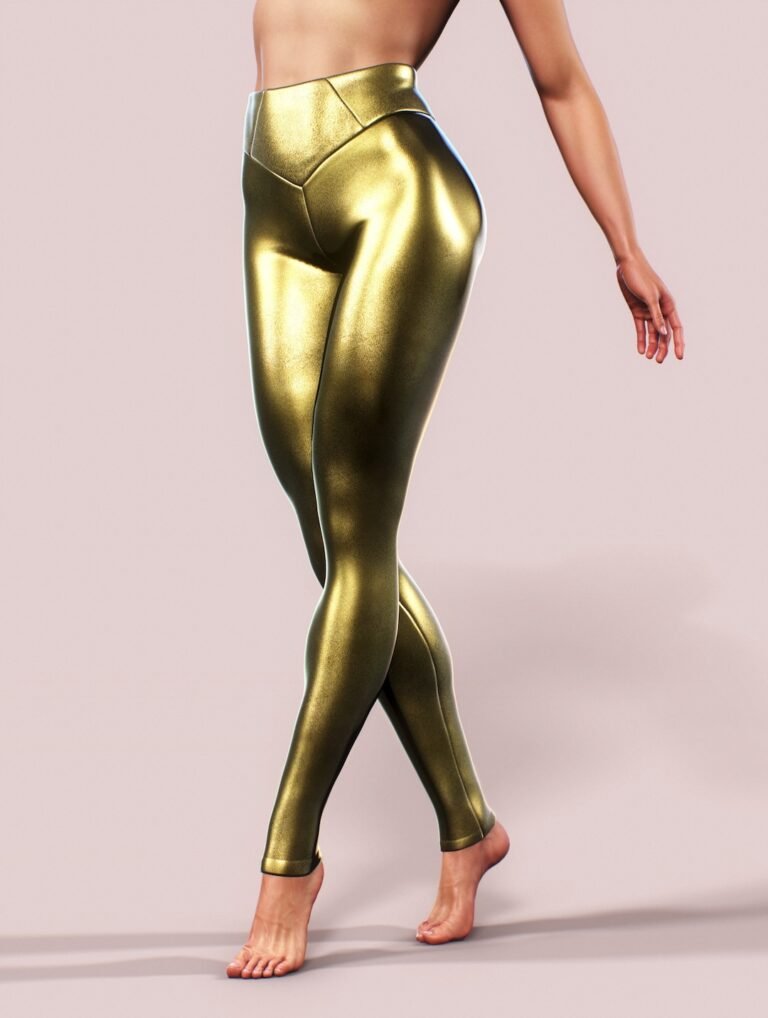
| Casual wear | Smooth finish and good coverage | Worn, shiny, or thinning fabric |
| Cold weather | Full length and room for layers | A thin pair used as the only warm layer |
| Long travel days | Soft fabric and a non-pinching waist | Seams that rub when seated |
The main trade-off is usually softness versus support. Softer leggings may feel better for rest and gentle movement. Firmer leggings may feel more secure for training but can feel restrictive during long wear.

Frequently Asked Questions
Should yoga leggings be tight or loose?
Yoga leggings should be close-fitting but not painful or restrictive. They should move with your body and remain opaque during bends and squats. If the waistband rolls or the fabric pulls strongly across the hips, try another size or cut.
Can you wear yoga leggings as pants?
Yes, you can wear yoga leggings as everyday pants when they provide the coverage and comfort you want. Pair them with a top, sweater, jacket, or tunic that suits the setting. Check workplace or school dress rules when relevant.
Should you wear underwear under yoga leggings?
You may wear underwear under yoga leggings if it feels comfortable. Choose a style that stays flat and does not cause rubbing. Some people prefer seamless underwear, while others prefer different cuts or no visible lines.
Why do my yoga leggings roll down?
Leggings may roll down because the size, rise, waistband, or fabric recovery does not suit your body. They may also roll when the garment is stretched beyond its design. Try a different rise, size, or waistband shape.
How many pairs of yoga leggings do you need?
The number depends on how often you practice and how often you wash clothes. Two or three pairs may work for occasional classes. More frequent practice may require additional pairs so each garment can dry fully between uses.
Can you wear yoga leggings for running?
You can wear them for running if they provide the needed support, stay in place, and manage moisture. For longer or warmer runs, running-specific tights may offer better ventilation, pockets, or visibility features.
Key Takeaways
- Choose yoga leggings that stretch without pinching or becoming see-through.
- Test the waistband, seat, and inner thighs through bends, squats, and walking.
- Match the fabric and length to the activity and weather.
- Pair fitted leggings with fitted or longer tops based on the coverage you prefer.
- Select shoes for the activity, not only for appearance.
- Follow the care label and replace leggings when the fabric or seams wear out.
Conclusion
The right way to wear yoga leggings depends on movement, comfort, coverage, and setting. Start with a secure fit, test the fabric in motion, and build the outfit around the activity. For casual wear, add a longer or structured layer. For yoga and workouts, choose clothing that stays in place and helps you move without distraction.
Your next step is simple: put on the leggings, perform a squat and forward bend, walk for a few minutes, and check whether the waistband, fabric, and seams still feel comfortable.