
How To Wear Leggings Properly: The Perfect Fit Guide
In the United States, leggings work for far more than workouts. People wear them for school runs, travel, errands, offices, and gym sessions. The key is not one strict fashion rule. It is choosing the right fabric, fit, length, and top for the setting.
To wear leggings properly, choose a pair that is opaque, comfortable, and suited to the activity. Check the fit when you bend and sit. Then balance the close fit of leggings with the right shoes and top. A long shirt or tunic can add coverage for casual wear, while a fitted top may work well for exercise.

Choose the Right Leggings for the Occasion
The best leggings depend on what you plan to do in them. Workout leggings need stretch, support, and moisture control. Casual leggings may focus more on softness and daily comfort. Work-appropriate leggings need a polished look and enough coverage for the setting.
For exercise
Choose leggings made with a firm, flexible fabric. They should let you squat, stretch, run, or cycle without sliding down. A high-rise waistband can offer more coverage during movement, but it should not pinch your waist or restrict breathing.
Look for these features:
- Four-way stretch
- A waistband that stays in place
- Flat seams or smooth stitching
- Fabric that is not see-through when stretched
- Moisture-wicking material for intense workouts
- A gusseted crotch for easier movement
“Moisture-wicking” means the fabric helps move sweat away from the skin. It does not mean the leggings will keep you fully dry in hot weather. Breathable fabric, a good fit, and the right layer still matter.
For casual outfits
Soft cotton blends, ponte fabric, and brushed knits can work well for casual wear. These fabrics often feel less technical than athletic leggings and may look better with sweaters, denim jackets, or long shirts.
Avoid wearing thin, worn, or faded leggings as the main part of an outfit. If the fabric has become shiny, baggy, or transparent, it is time to replace the pair or use it at home.
For work or polished settings
Leggings are not accepted in every workplace. Check the dress code first. Some offices treat leggings as athletic wear, while others allow thick, tailored styles under long sweaters, dresses, or tunics.
For a more polished look, choose:
- Thick, matte fabric
- A clean black, navy, charcoal, or dark brown color
- Minimal logos
- A smooth waistband
- A full-length or ankle-length cut
- A top that covers the hip and seat if the workplace calls for it
Leggings should not replace trousers in a formal business setting unless the dress code clearly allows them.

Get the Fit Right Before You Style Them
Proper fit is the foundation of a good leggings outfit. Leggings should feel close to the body without causing pain, deep marks, or restricted movement.
Use this fit check:
- Stand normally. The waistband should rest flat without rolling or cutting into your skin.
- Bend and squat. The fabric should stay opaque and should not pull sharply across the seat or knees.
- Walk and sit. The leggings should not slide down, bunch behind the knees, or pinch at the waist.
- Check the seams. Seams should lie flat. Excess strain can signal that the leggings are too small.
- Check the ankle. Full-length leggings should reach the ankle without folding into thick bands.
A common mistake is buying a smaller size to create a “tighter” look. This can cause transparency, seam stress, and a waistband that rolls down. Leggings should create a smooth line through stretch and fit, not extreme compression.
Signs leggings are too small
Your leggings may be too small if:
- The fabric turns pale or shiny when you move
- The waistband rolls down repeatedly
- Seams dig into your skin
- You feel pressure in your abdomen, hips, or thighs
- The crotch pulls down during walking
- You cannot move through a full squat comfortably
Signs leggings are too large
Leggings may be too large if:
- The knees become loose after a short time
- The fabric wrinkles heavily at the ankles
- The waistband slides down
- The seat looks baggy
- You must keep pulling them up
Sizing differs among US brands. Measure yourself when possible, then compare your measurements with the brand’s size chart. Do not assume the same size will fit the same way in every store.

Pick the Best Rise, Length, and Fabric
Rise, length, and fabric change both comfort and appearance. The right choice depends on your body shape, activity, climate, and personal preference.
High-rise leggings
High-rise leggings sit at or above the natural waist. They can provide more coverage during exercise and pair well with cropped sweatshirts, sports bras, and tucked-in shirts.
They should stay flat when you sit. If the top edge folds or causes discomfort, try a different waistband design or rise.
Mid-rise leggings
Mid-rise leggings sit below the natural waist. They can feel less restrictive and may work well with longer shirts and relaxed tops.
They may expose more skin during bending or stretching. Test them with the movements you expect to make.
Full-length leggings
Full-length leggings usually reach the ankle. They work well with sneakers, boots, flats, and longer tops. They also provide more coverage in cool weather.
The hem should not bunch around the ankle. A small amount of fabric may gather, but heavy folds can make the leggings look too long or indicate a poor fit.
7/8 and ankle leggings
These styles stop slightly above the ankle. They can create a clean look with sneakers and are often useful during warmer months.
Check the hem before buying. A 7/8 length may look like a cropped legging on a taller person and nearly full length on a shorter person.
Capri leggings
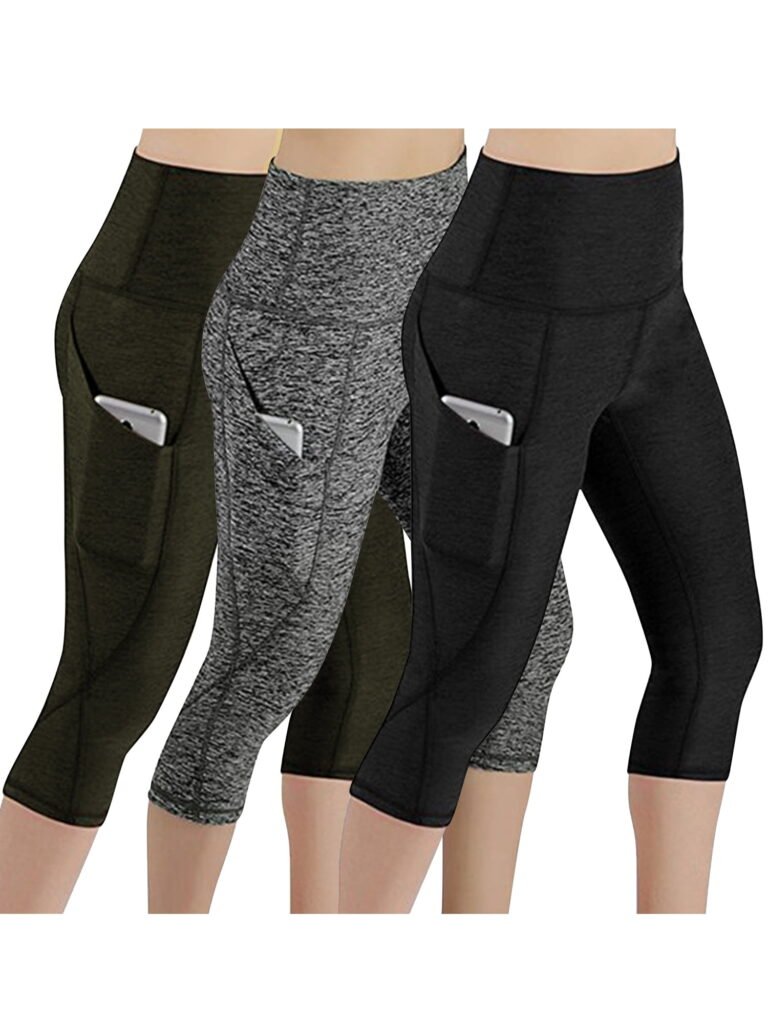
Capri leggings stop below the knee or at mid-calf. They can suit warm-weather exercise, but the hem may draw attention to the widest part of the calf. Try several lengths to find the point that feels balanced.
Fabric choices
Common fabric types include:
| Fabric type | Useful for | Main trade-off |
|---|---|---|
| Nylon and spandex | Exercise and daily wear | Can feel warm without breathable construction |
| Polyester and spandex | Training and running | May hold odor if not washed well |
| Cotton blends | Casual outfits | Can hold sweat and dry slowly |
| Ponte knit | Polished casual wear | Less airy than thin athletic fabric |
| Brushed fabric | Cold-weather comfort | May feel too warm for summer workouts |
Fabric names do not guarantee quality. A thick fabric can still become transparent when stretched. Always test the actual garment.

Wear the Right Underwear With Leggings
Underwear can affect comfort, lines, and coverage. The best option depends on the fabric and the activity.
Seamless underwear can reduce visible lines. A smooth brief, thong, or short-style undergarment may also work if it fits well and does not shift. For workouts, choose underwear made for movement and sweat rather than a style that bunches under pressure.
Avoid underwear that is too tight. It can create lines, discomfort, and skin irritation. Also avoid loose underwear that rolls or twists under the leggings.
Test the complete outfit in natural light. Some leggings look opaque in a store or bedroom but become more revealing in sunlight or when stretched.
If you need extra coverage, consider:
- A longer athletic top
- A tunic-length shirt
- A dress worn over leggings
- A lined legging
- A thicker, matte fabric
A nude or skin-tone underlayer may reduce contrast, but it cannot fix leggings that are clearly transparent.

Balance Leggings With the Right Top
Leggings create a close line from the waist to the ankle. Your top can either repeat that line or add contrast.
Long tops
Long T-shirts, tunics, sweaters, and hoodies are simple choices for casual outfits. They add coverage over the hips and seat and work well with leggings that have a slim fit.
Try a top that ends at one of these points:
- Just below the hip
- Mid-thigh
- Above the knee, when worn as a dress or tunic
The best length depends on your height and the thickness of the leggings. Very thin leggings often look more balanced with more coverage.
Short tops
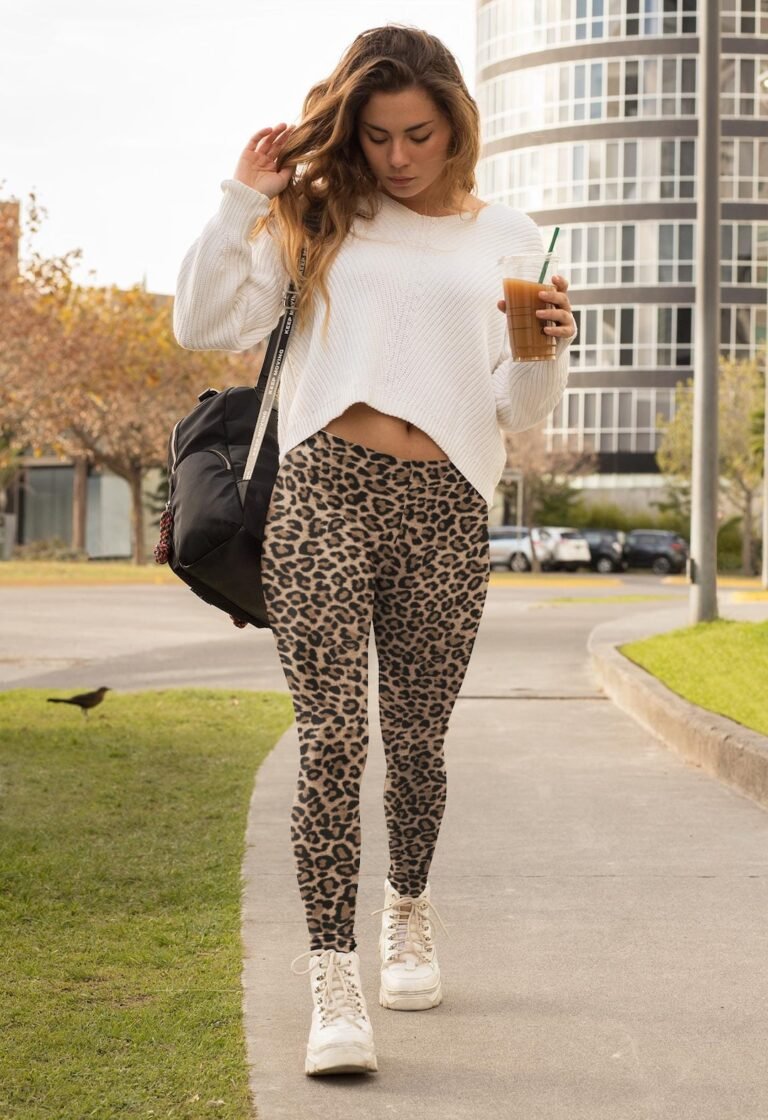
Short tops can work with high-rise leggings, especially for exercise or casual wear. The outfit looks intentional when the leggings fit well and the top suits the setting.
For a gym outfit, a sports bra or cropped top may be practical. For everyday wear, pair a shorter shirt with a jacket, cardigan, or overshirt if you want more coverage.
Oversized tops
An oversized sweatshirt or sweater can create a relaxed outfit. Make sure the garment does not overwhelm your frame. Rolling the sleeves, showing a small amount of ankle, or choosing a structured shoe can add shape.
Fitted tops
A fitted top and fitted leggings create a streamlined outfit. This can work for exercise, dance, or a layered casual look. For everyday wear, add a jacket, open shirt, or long cardigan to create contrast.

Match Shoes and Layers to the Outfit
Shoes can change leggings from athletic to casual or polished. Choose footwear based on the setting, weather, and activity.
Sneakers
Sneakers are the easiest match. Running shoes suit workouts and active errands. Clean lifestyle sneakers work well with long coats, sweatshirts, denim jackets, and casual dresses.
Do not use worn running shoes for demanding exercise simply because they match the outfit. Shoe support and condition matter more than color.
Boots
Ankle boots can make leggings look more polished. Tuck the leggings smoothly into the boots and avoid extra fabric at the ankle.
Tall boots work well with leggings because the slim leg fits inside the shaft. Choose a longer sweater, dress, or coat for a balanced outfit.
Flats and loafers
Flats and loafers can create a smart casual look. They work best with ankle-length leggings that leave a clean gap above the shoe or meet the shoe without bunching.
Sandals
Simple sandals can work in warm weather. Avoid pairing very thin leggings with delicate sandals if the outfit looks more like gym wear than casual clothing. A longer shirt or lightweight dress can help connect the pieces.
Jackets and coats
Useful layers include:
- Denim jackets for casual outfits
- Blazers for a sharper look
- Long cardigans for comfort
- Utility jackets for an outdoorsy style
- Trench coats for a more refined outfit
- Puffer jackets for cold weather
In the United States, weather can change sharply across regions and seasons. Wear a breathable layer in hot, humid areas and a warm outer layer in cold climates. Leggings alone do not provide enough protection for very cold conditions.

Wear Leggings for Different Body Types Without Strict Rules
There is no single correct way to wear leggings for a certain body shape. Comfort and personal style should lead the choice. Still, a few fit ideas may help you decide.
If you want more waist coverage, try a high-rise pair with a wide, soft waistband. If you prefer less pressure around the stomach, a mid-rise style or a softer waistband may feel better.
If you want a longer leg line, try a full-length pair in a dark color with shoes in a similar tone. If you want to highlight the ankle, choose a cropped pair with low-profile shoes.
If you want more structure, choose thick matte fabric or ponte knit. If you want more movement, choose a lighter fabric with strong stretch and recovery. “Recovery” means the fabric returns to its original shape after stretching.
These are style options, not rules. The right pair is the one that lets you move freely and helps you feel at ease.

Avoid Common Leggings Mistakes
Small problems can make leggings look or feel wrong. Most are easy to fix.
Wearing see-through leggings
This is the most serious style and coverage issue. Check the leggings under bright light and while bending. If the fabric becomes transparent, use a larger size, a thicker style, or a longer top.
Choosing fashion over movement
A pair may look good while standing but fail when you walk or squat. Always test the movements you will perform.
Ignoring fabric wear
Repeated washing, heat, friction, and stretching can weaken fabric. Follow the care label. High heat may damage elastic fibers and shorten the garment’s useful life.
Wearing the wrong underwear
Bulky seams and loose fabric can show through. Try a different cut or a smoother material.
Treating all leggings as pants for every setting
Leggings can function as pants in some casual settings, but not all. A workplace, restaurant, school, or event may have its own rules. When unsure, add a longer layer or choose trousers.
Wearing leggings that cause pain
Leggings should not cause numbness, tingling, chafing, skin color changes, or lasting pressure marks. Remove them if they cause these symptoms. If discomfort continues or seems unusual, speak with a qualified health professional.

How to Wash and Maintain Leggings
Good care helps leggings keep their stretch and shape.
Turn leggings inside out before washing. Use the care label as the main guide. In general, cold or cool water and a gentle cycle can help reduce wear. Avoid fabric softener when the label or manufacturer warns against it, since it may affect moisture-wicking finishes.
Air-dry leggings when possible. If you use a dryer, follow the garment label and avoid high heat unless the care instructions allow it.
Wash workout leggings soon after heavy sweating. Do not leave damp leggings in a closed gym bag. That can lead to odor and may irritate sensitive skin.
Replace leggings when you see:
- Permanent transparency
- Broken elastic
- Frayed seams
- Persistent odor after washing
- Holes or severe thinning
- A waistband that no longer stays in place

A Simple Leggings Outfit Formula
Use this formula when you are unsure what to wear:
Leggings + a suitable top + a third layer + practical shoes
Examples include:
- Black leggings, a long white T-shirt, a denim jacket, and clean sneakers
- High-rise workout leggings, a moisture-wicking top, a lightweight jacket, and training shoes
- Ponte leggings, a tunic sweater, a long coat, and ankle boots
- Dark leggings, a simple dress, a cardigan, and flats
- Cropped leggings, a loose linen shirt, and supportive sandals for warm weather
Keep the outfit suited to the setting. Gym leggings with visible branding may look out of place at a formal event. Thin cotton leggings may feel too cool for winter travel. The best outfit matches both the clothing and the activity.

Frequently Asked Questions
Should leggings be tight or loose?
Leggings should be close-fitting but not painful. They should stay in place during movement and remain opaque when stretched. If they pinch, roll, slide, or become see-through, try another size or fabric.
Should you wear underwear under leggings?
Most people wear underwear under leggings. Choose a comfortable style that does not bunch, shift, or create unwanted lines. For exercise, select fabric and construction that handle sweat and movement.
Can you wear leggings to work?
Sometimes. It depends on the workplace dress code. Thick, matte leggings with a long tunic, dress, blazer, or sweater may suit some business-casual offices. They may not meet the standard for formal workplaces.
What tops look best with leggings?
Long T-shirts, tunics, sweaters, hoodies, jackets, and dresses all work well. Short fitted tops can also work when the setting and fit make the outfit look intentional.
How can you tell if leggings are see-through?
Stand in bright light, bend forward, squat, and sit. Ask someone you trust to check the back if needed. Look for fabric that turns pale, shiny, or transparent under tension.
Are leggings suitable for running?
Yes, if they fit well and support the activity. Choose a pair that stays up, allows a full stride, manages sweat, and does not chafe. Test them during a shorter run before using them for a long event.
Final Checklist for Wearing Leggings Properly
Before leaving home, check five things:
- The fabric remains opaque when you bend.
- The waistband stays flat and comfortable.
- The leggings do not restrict movement.
- Your top and shoes suit the setting.
- The garment is clean, intact, and appropriate for the weather.
Start with fit and coverage, then build the outfit around comfort and purpose. A well-chosen pair of leggings should move with you, stay in place, and look suitable for where you are going.