Why Is Jewelry Called Jewelry? The Changing Face of Adornment in 2026
The term jewelry traces its roots to the Old French word “jouel,” which eventually evolved from the Latin “jocale,” meaning a toy or plaything. Understanding why is jewelry called jewelry requires looking back at how personal adornment shifted from functional tools to symbols of wealth, status, and artistic expression throughout human history.
Have you ever looked at a sparkling ring on your finger or a gold chain around your neck and wondered, why is jewelry called jewelry? It is a word we use every single day, yet its origins are buried deep in the history of language and human tradition.
When we talk about jewelry, we aren’t just talking about shiny rocks or precious metals. We are talking about thousands of years of human desire, artistry, and the need to tell our stories without saying a word.
As we navigate through 2026, our relationship with these adornments continues to evolve. We wear pieces that act as heirlooms, tech-integrated accessories, and expressions of our unique identities. But the name itself jewelry holds a playful secret that might surprise you. By looking back at how language has shifted alongside our style, we can better appreciate the treasures we wear today.
Key Takeaways
- Etymological Origins: The word jewelry descends from the Latin “jocale,” which translates to a small plaything or trinket.
- Evolution of Meaning: Over centuries, the definition expanded from simple decorative items to high-value assets and heirlooms.
- The Influence of French: Old French played a pivotal role in refining the term into “jouel,” bridging the gap between Latin roots and modern English.
- Functional Beginnings: Early jewelry was often practical, used to pin clothes together or denote tribal rank before becoming purely aesthetic.
- Cultural Significance: Jewelry has served as a bridge between spiritual protection, economic security, and personal identity across every civilization.
- Modern Terminology: In the year 2026, the term encompasses everything from mass-produced costume pieces to bespoke, investment-grade artisan creations.
The Linguistic Journey from Latin to English
To find out why is jewelry called jewelry, we have to travel back in time. Language is like a living organism; it grows, changes, and adapts as people move and interact. The story of our favorite word starts with the Latin word “jocus.”
From Playthings to Precious Items
The Latin term “jocus” translates roughly to a joke, a game, or a pastime. From this root came the word “jocale,” which meant a small plaything or a trinket. It is fascinating to think that something as serious as a diamond engagement ring or a gold sovereign once shared a linguistic root with a child’s toy. In medieval times, jewelry was indeed a form of play for the wealthy, a way to display their excess and have fun with their appearance.
The Influence of Old French
As the Latin language evolved into the romance languages, “jocale” made its way into Old French. In that dialect, it transformed into “jouel.” This is the direct ancestor of our modern word.
When this term crossed the English Channel following the Norman Conquest, it underwent further refinement. By the time it settled into Middle English, it had become “jewel.” Eventually, the suffix “-ry” was added to describe the category or collection of these items, giving us the word jewelry we use today.
The Evolution of Purpose
Why is jewelry called jewelry? It is also because of what these items did for us. In the early days of humanity, jewelry wasn’t just about looking good. It was often a matter of survival or social signaling.
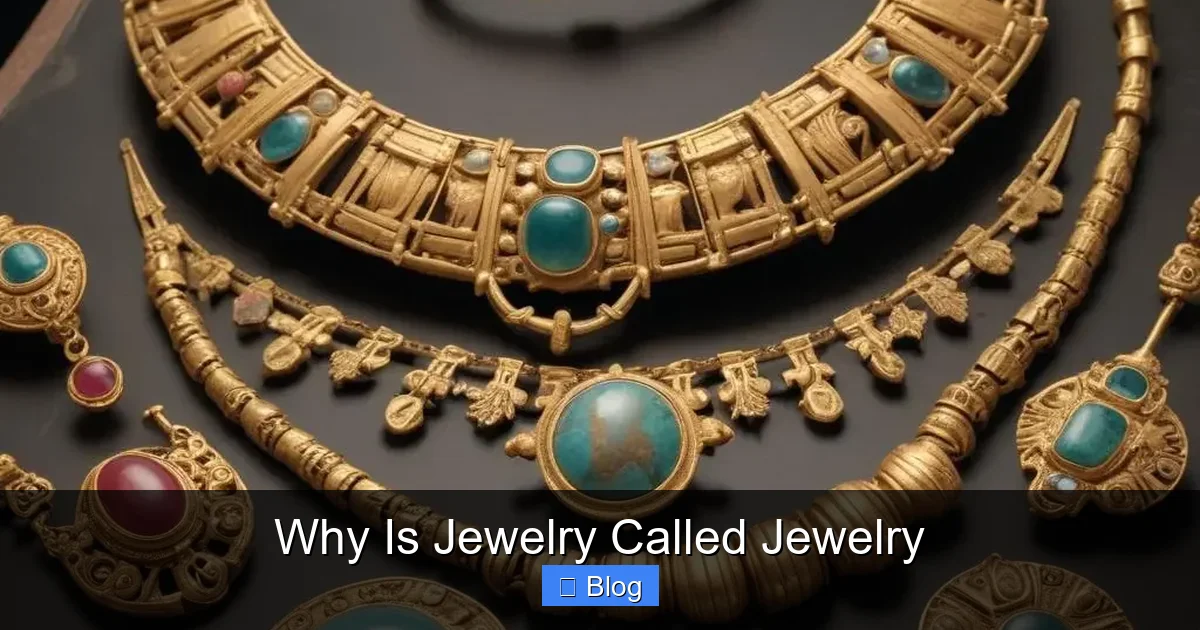
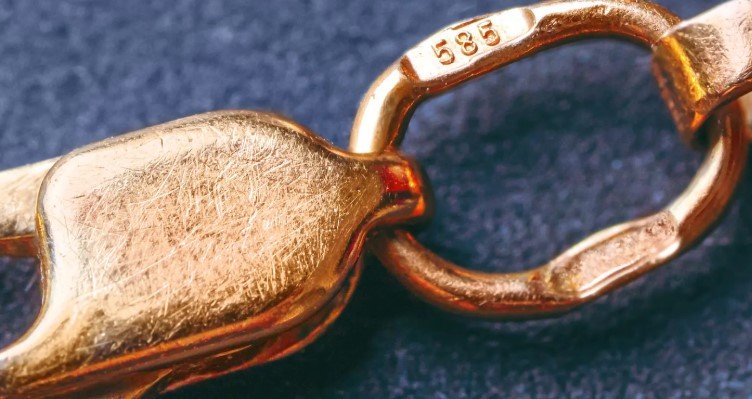
Visual guide about Why Is Jewelry Called Jewelry
Image source: nakassi.com
Utility Over Beauty
Long before we wore necklaces for fashion, our ancestors used shells, bones, and stones as functional tools. A brooch wasn’t just decoration; it held a heavy cloak together. A belt clasp ensured that leather garments stayed secure. These early items were the first forms of jewelry, providing a necessary bridge between comfort and security.
Status and Rank
As societies grew more complex, jewelry began to signal status. If you lived in an ancient village, a piece of jewelry made of rare material told everyone that you were important or wealthy. Because these items were expensive and required rare materials, they were treated like currency. This is part of why the name stuck; these “playthings” were actually high-stakes assets that held value far beyond their aesthetic appeal.
Jewelry as a Store of Wealth
One of the reasons the term jewelry remains so prominent is the inherent financial value associated with it. Throughout human history, gold, silver, and gemstones have been the safest way to store wealth. This is a practice that continues even in our digital age of 2026.
The Portable Asset
If you had to leave your home in a hurry centuries ago, you couldn’t take your house or your land with you. You could, however, wear your wealth. By turning coins into necklaces or rings, people created portable capital. Because this “jewelry” was literally jewelry a collection of precious trinkets the name came to represent financial security as much as personal style.
Tradition and Heirlooms
When a grandmother hands down a ring, she is passing down more than just a piece of metal. She is passing down a story. The term jewelry encompasses this emotional weight. It is the language we use for items that are meant to last for generations. Even when we buy new pieces today, we look for longevity. We want our jewelry to be something that can be cherished long after the current trend has passed.
The Changing Face of Adornment in 2026
In the year 2026, the definition of what constitutes jewelry has expanded wildly. We are no longer limited to just gold and diamonds. We see silicone, recycled plastics, and even integrated microchips being used in jewelry design.
Tech-Integrated Pieces
Modern jewelry is getting smarter. We now have rings that can pay for your groceries or necklaces that track your heart rate. Yet, we still call them jewelry. This proves that the term is more about the context of the object the fact that it is worn on the body than the specific material used to make it. It is an enduring label for anything that decorates the human form.
Sustainable Jewelry
Consumers today are more conscious than ever. People want to know where their stones came from and if the gold was mined ethically. This has changed the landscape of the industry. The jewelry of 2026 is often laboratory-grown, which is indistinguishable from earth-mined options. This shift has not changed the word we use, but it has certainly changed the depth of the meaning behind it.
Why the Word Still Matters?
You might ask yourself, does it really matter why is jewelry called jewelry? Language helps us frame our relationship with objects. By keeping the name, we acknowledge the history of the craft.
The Connection to Art
Jewelry is inherently an art form. When you wear a piece, you are acting as a mobile gallery. The term connects us to the goldsmiths, lapidaries, and designers of the past. It creates a lineage that spans from the pharaohs of Egypt to the modern minimalist designers of the twenty-first century. Calling it jewelry keeps that artistic tradition alive in our daily conversations.
The Joy of Adornment
Going back to the Latin “jocus,” there is a sense of joy in the word. Jewelry should be fun! It is about expressing yourself, feeling confident, and celebrating milestones. When we use the word jewelry, we are technically referencing its “playful” past.
This is a great reminder that fashion should never be too serious. Whether you are wearing a simple stud earring or a statement necklace, remember that you are taking part in a tradition of joy that is thousands of years old.
Conclusion
So, why is jewelry called jewelry? It is because we have always treated these items as both precious treasures and delightful playthings. From its humble linguistic beginnings as a “trinket” in Latin, to its role as a sophisticated symbol of wealth and self-expression, the word has mirrored our human journey.
In 2026, as we embrace new materials and technologies, the name remains a constant. It ties us to our history and reminds us that jewelry is meant to be enjoyed. The next time you put on your favorite piece, take a moment to appreciate the history behind the name. You are wearing a legacy of art, status, and, quite literally, a little bit of playfulness.
Frequently Asked Questions
Is jewelry the same as jewellery?
Yes, they are the same thing! “Jewelry” is the standard spelling in American English, while “jewellery” is the preferred spelling in British English and many other English-speaking countries.
Why did early jewelry have practical uses?
Before fashion became a priority, items like brooches and pins were necessary to keep heavy garments closed and secure. These functional items gradually evolved into the decorative pieces we recognize today.
How old is the oldest known jewelry?
Archaeologists have discovered shell beads that are over 100,000 years old. These findings prove that humans have been using personal adornment to express themselves since the dawn of our species.
Does the term jewelry only apply to precious metals?
Not at all! While the term is often associated with gold and gems, it applies to any decorative item worn on the body, regardless of whether it is made of plastic, glass, wood, or precious metals.
What is the difference between a jewel and jewelry?
A “jewel” typically refers to a single precious stone or a single highly valuable piece of adornment. “Jewelry” is the collective noun used to describe a collection of such items or the category as a whole.
Will the meaning of jewelry change in the future?
As we see more advancements in wearable technology and bio-integrated accessories, the definition will likely continue to expand. However, the fundamental concept of jewelry as a form of personal, wearable expression is unlikely to change.