How To Be A Fashion Designer As A Kid: Easy Steps
You can become a fashion designer as a kid by practicing design, learning basic sewing, and sharing your ideas with others.
Learning how to be a fashion designer as a kid starts with curiosity, not expensive tools or a fancy studio. This guide explains how young creators can build skills, make a portfolio, stay safe, and turn simple clothing ideas into real designs.
What Does a Fashion Designer Do?
A fashion designer creates ideas for clothing, shoes, accessories, or costumes. Designers think about color, shape, fabric, comfort, function, and the people who may wear each piece.
Fashion design is more than drawing pretty outfits. It combines art, problem-solving, history, culture, business, and careful making.
A designer may:
• Sketch clothing ideas
• Choose colors and fabrics
• Study trends and customer needs
• Sew or build sample pieces
• Test comfort and movement
• Change a design after feedback
• Work with pattern makers, tailors, photographers, or clothing brands
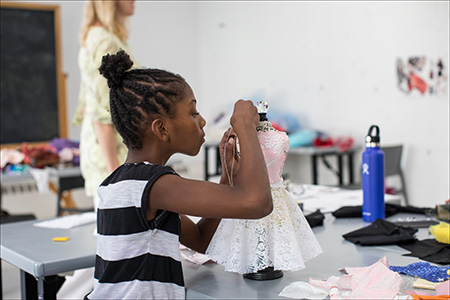
Children can begin with small projects. A paper outfit, recycled fashion look, or hand-sewn pouch can teach the same creative habits used by professional designers.

How to Be a Fashion Designer as a Kid: Start With Your Ideas
The first step in learning how to be a fashion designer as a kid is to notice what inspires you. Look at nature, music, movies, sports, family traditions, buildings, and street style.
Keep a small fashion notebook. Draw clothing ideas, write color names, and paste pictures of textures or shapes you like. You do not need perfect drawing skills. Your notebook is a place to think.
Try these simple prompts:
• Design an outfit for a rainy day
• Create clothes for a space explorer
• Make a dress inspired by a butterfly
• Design a sports uniform for your school
• Sketch an outfit using only three colors
• Create clothing for a favorite book character
Think of each design as a message. A winter coat may say, “I want to stay warm.” A bright costume may say, “I want to celebrate.” Strong designers learn to connect clothing with feelings and needs.
:max_bytes(150000):strip_icc():focal(999x0:1001x2)/max-alexander-fashion-designer-051023-tout-a0965036c2f743548a6417d9ef4ac33e.jpg)
Learn the Basic Skills of Fashion Design
You do not need to master everything at once. Choose one skill, practice it often, and add another skill when you feel ready.
Fashion Sketching
Fashion sketches show the shape and mood of an outfit. Start with simple figures. Draw a head, shoulders, body, arms, and legs. Then add the clothing.
Practice these details:
• Necklines
• Sleeves
• Pockets
• Waistbands
• Skirts and pants
• Folds and seams
• Shoes and accessories
Do not worry if your first drawings look uneven. Many young designers improve by drawing the same type of clothing several times.
Color and Fabric Knowledge
Learn how colors work together. A color wheel can help you understand pairs such as blue and orange or purple and yellow.
Touch safe fabric scraps and describe them. Is the fabric soft, rough, thick, thin, stretchy, shiny, or warm? These words help you make better design choices.
Sewing and Hand Skills
Ask a parent, guardian, teacher, or trained adult to show you safe sewing methods. Begin with hand sewing before using a sewing machine.
Useful starter projects include:
• A fabric bookmark
• A simple pillow
• A hair bow
• A drawstring bag
• A doll skirt
• A patchwork wallet
Adult supervision is important when using needles, scissors, irons, or sewing machines. Choose tools that fit your age and follow safety instructions.
Follow a Simple Fashion Design Process
Professional designers often follow a process. Learning how to be a fashion designer as a kid becomes easier when you use clear steps.
-
Find an idea. Choose a theme, need, person, or event.
-
Research the theme. Look at colors, shapes, history, and materials.
-
Make a mood board. Collect drawings, fabric pieces, photos, and color samples.
-
Sketch several ideas. Do not stop at the first design.
-
Choose one design. Pick the idea that best fits your goal.
-
Select materials. Think about comfort, cost, strength, and safety.
-
Make a sample. Use paper, old fabric, or affordable material.
-
Test the design. Check its fit, movement, comfort, and strength.
-
Ask for feedback. Listen without taking every comment personally.
-
Improve the design. Change one or two parts and test it again.
This process teaches patience. A first design is like a rough draft in writing. It gives you something to improve.
Make Fashion Projects With Simple Materials
You can practice fashion design without buying expensive supplies. Many useful materials may already be at home.
Try using:
• Paper and colored pencils
• Old newspapers
• Fabric scraps
• Clean socks
• Recycled T-shirts
• Ribbon and buttons
• Yarn
• Aluminum foil
• Paper bags
• Safe fabric glue
You can create a mini collection for a paper doll. You can also redesign an old shirt with help from an adult. The goal is not to waste clothing. The goal is to understand how changes can create a new look.
Always ask before using someone else’s clothes or materials. Avoid sharp tools, hot glue, dyes, and machines unless an adult is present.

Build a Fashion Portfolio
A portfolio is a collection of your best creative work. It helps you see your progress and share your ideas with family, teachers, mentors, or future schools.
Your portfolio may include:
• Fashion sketches
• Color boards
• Fabric studies
• Photos of finished projects
• Before-and-after redesigns
• Notes about your design choices
• Feedback from trusted adults
• Short explanations of what you learned
Take clear photos in good light. Add the date and project name. You can keep a paper folder or create a private digital file with adult permission.
Do not include your home address, school details, phone number, or private information in a public portfolio. Ask a parent or guardian before posting images online.
A strong portfolio does not need dozens of projects. Five thoughtful projects can show more skill than 30 rushed drawings.

Learn From Fashion History and Different Cultures
Fashion has a long history. Clothing can show a person’s job, climate, religion, family background, social role, or community.
Study designers, artists, tailors, costume makers, and craftspeople from different places. Look at how materials and shapes change across time.
When learning from another culture, show respect. Do not copy sacred clothing, symbols, or traditional designs as a costume. Learn the meaning first, use reliable educational materials, and give credit when sharing inspiration.
You can ask:
• Who made this style?
• What was its purpose?
• What materials were used?
• What does it mean to the community?
• Am I learning respectfully?
This approach helps young designers become thoughtful creators. Fashion should celebrate people, not reduce cultures to decorations.

Practice Sustainable Fashion Design
Sustainable fashion means making thoughtful choices about materials, production, use, and waste. The fashion industry uses large amounts of water, energy, and raw materials, so designers have an important role in finding better solutions.
Kids can practice sustainability in simple ways:
• Repair clothing instead of throwing it away
• Reuse fabric scraps
• Swap clothes with family members
• Design clothing that can serve more than one purpose
• Choose durable materials
• Avoid making more items than you need
• Learn how clothing can be donated or recycled
Try a “one item, three looks” project. Choose one shirt, skirt, or jacket and style it in three different ways. This teaches flexibility and reduces the desire to buy something new for every event.
Sustainable fashion has limits. Reusing materials is helpful, but not every old fabric is safe or suitable for every project. Learn about the material and ask an adult for help.
Improve Your Drawing and Sewing Through Practice
Learning how to be a fashion designer as a kid takes regular practice. You do not need to work for hours each day. Ten to 20 focused minutes can make a difference.
Create a weekly routine:
• Monday: Sketch five clothing ideas
• Tuesday: Study one color combination
• Wednesday: Practice a sewing stitch
• Thursday: Study one designer or clothing era
• Friday: Improve an old sketch
• Saturday: Make a small project
• Sunday: Review your work
Keep mistakes. They show how you solved problems. A crooked seam may teach you to slow down. A weak fabric choice may teach you to test materials before making a full garment.
One lesson experienced makers often share is to make a small sample first. Testing a sleeve, pocket, or seam can save time and materials later.
Get Feedback and Find Helpful Mentors
Feedback helps you see what you cannot notice alone. Show your work to a trusted adult, art teacher, sewing teacher, or family member.
Ask specific questions:
• Is the design easy to understand?
• Do the colors work well together?
• Does the outfit look comfortable?
• What part catches your eye first?
• What could be stronger?
Choose feedback that is useful and kind. You do not have to follow every suggestion. A designer listens, thinks, and makes the final choice.
Local libraries, community centers, art programs, museums, and sewing groups may offer beginner classes. Some schools also have art clubs, theater programs, or technology labs where students can explore design.
Never meet an online mentor alone or share private details. A parent or guardian should help check classes, websites, competitions, and messages.
Use Technology to Explore Fashion Design
Digital tools can help you draw, plan, and present your work. A basic drawing app may be enough for a beginner.
You can use technology to:
• Create digital sketches
• Test color combinations
• Make a mood board
• Plan a clothing collection
• Photograph finished projects
• Build a private portfolio
• Learn basic pattern or 3D design concepts
Technology is useful, but it is not a replacement for learning how fabric feels or how clothes move. Try both digital and hands-on work.
Be careful with apps and websites. Check age rules, privacy settings, paid features, and online sharing options with a parent or guardian.
Create a Small Fashion Collection
A collection is a group of designs connected by a theme. Making a small collection can teach you how individual outfits work together.
Choose:
• A collection name
• A clear theme
• Three to five colors
• Two or three fabric ideas
• Three to six outfit sketches
• One main design
For example, a “City Rain” collection could use gray, yellow, and navy. It might include a raincoat, waterproof backpack, wide-leg pants, and boots.
Make sure the designs share something. They may use the same colors, shapes, fabric type, or story. A collection should feel like a family of outfits.
Understand School and Career Paths
You do not need a formal degree to start exploring fashion design as a child. At this stage, curiosity, practice, and a strong portfolio matter most.
As you grow, useful school subjects may include:
• Art
• Math
• Science
• Computer design
• History
• Business
• Writing
Math helps with measurements and patterns. Science helps explain fibers, dyes, and materials. History helps you understand how fashion changes.
In the United States, many fashion designers later study fashion design or a related subject in college. The U.S. Bureau of Labor Statistics reports that a bachelor’s degree is common for entry-level fashion design roles, although career paths vary.
Possible future roles include:
• Apparel designer
• Costume designer
• Textile designer
• Footwear designer
• Accessory designer
• Pattern maker
• Fashion illustrator
• Stylist
• Product developer
• Fashion buyer
There is no single correct path. Some designers study at school, while others learn through work, practice, and mentorship.
Avoid Common Mistakes
Many young designers make the same mistakes. Knowing them early can help you enjoy the process more.
• Trying to be perfect: Use mistakes as design lessons.
• Copying other people’s work: Study ideas, but create your own version.
• Buying too many supplies: Start with simple, safe materials.
• Ignoring comfort: A beautiful outfit still needs to work for the person wearing it.
• Skipping research: Learn the story behind styles and symbols.
• Making a full garment too soon: Test small pieces first.
• Comparing yourself online: Social media often shows finished work, not failed attempts.
• Forgetting safety: Use adult guidance with sharp, hot, or powered tools.
• Giving up too fast: Skill grows through repeated practice.
A design career is not a race. It is more like building a colorful patchwork quilt. Each small project adds another useful piece.
Can Kids Sell Their Fashion Designs?
Kids can explore small business ideas with adult support. You might sell handmade accessories at a school event, create custom cards with fashion sketches, or display designs at a community art show.
An adult should help with:
• Pricing
• Payments
• Online accounts
• Customer messages
• Shipping
• Business permits
• Taxes
• Safety rules
Start with a small test. Ask a few people what they like, what they would use, and what price seems fair. Do not spend a lot of money before you understand whether people want the item.
If you use a brand name, character, logo, or celebrity image, be careful. Copyright and trademark rules can limit commercial use. Original designs are the safest place to begin.
Frequently Asked Questions About How to Be a Fashion Designer as a Kid
How old do you have to be to become a fashion designer?
There is no required age for starting fashion design. Kids can sketch outfits, study clothing, sew simple projects, and build a portfolio with adult support.
Can I become a fashion designer if I cannot draw well?
Yes. Drawing improves with practice, and fashion design also uses color planning, sewing, research, fabric choice, and problem-solving. Simple sketches can clearly communicate strong ideas.
What supplies does a kid fashion designer need?
Start with paper, pencils, colored markers, fabric scraps, measuring tape, and child-safe scissors. Add needles, sewing machines, irons, dyes, or other tools only with proper adult supervision.
Do I need to go to fashion school?
No, not at the beginning. Fashion school can help later, but kids can learn through art classes, sewing lessons, library books, museums, online learning with supervision, and personal projects.
How can I practice fashion design at home?
Keep a sketchbook, make mood boards, redesign old clothing, study fabric, and create small projects. Set a simple weekly goal so you practice often without feeling stressed.
Can a kid start a fashion business?
A child can explore selling designs or handmade items, but a parent or guardian should manage money, accounts, legal rules, customer contact, and online safety. Start with a small, low-cost project.
Conclusion
Learning how to be a fashion designer as a kid begins with imagination and grows through practice. Sketch often, study color and fabric, learn safe sewing, build a portfolio, and ask for helpful feedback.
You do not need expensive tools or perfect skills. Start with one small project this week, photograph your progress, and write down what you learned. Ask a trusted adult to help you find a class, club, or creative community, then keep exploring new ideas.