
What Defines Fine Jewelry Vs Fashion Jewelry?
Understanding the distinction between fine and fashion jewelry is essential for any modern collector. While fine jewelry relies on precious metals and rare gemstones to offer lasting value, fashion jewelry prioritizes trend-driven design and affordability. Knowing these core differences ensures you choose the right piece for every occasion.
Walking into a jewelry store today, the sheer variety of sparkling treasures can be overwhelming. From the glimmer of a high-end diamond necklace to the bold, oversized earrings you saw on the runway, every piece tells a story. However, understanding what defines fine jewelry vs fashion jewelry is the secret to building a collection that works for you. Whether you are dressing for a casual brunch or a black-tie gala, knowing the difference helps you decide when to splurge and when to save.
In 2026, the lines between these categories often feel blurred. Social media trends and new manufacturing tech make it easier than ever for costume pieces to look like museum-quality heirlooms. By stripping away the marketing hype, we can look at the raw materials and the artistry involved. Let’s break down the definitions so you can shop with confidence, knowing exactly what is sitting in your jewelry box.
Key Takeaways
- Material Composition: Fine jewelry uses solid precious metals like 18k gold or platinum, whereas fashion jewelry uses base metals like brass or copper.
- Longevity and Value: Fine jewelry is designed to be a lifelong heirloom, while fashion jewelry is typically meant for short-term wear.
- Stone Quality: Fine pieces feature natural diamonds, sapphires, or emeralds, while fashion pieces use glass, crystals, or cubic zirconia.
- Craftsmanship Standards: Fine jewelry involves intensive manual labor and high-end setting techniques, unlike mass-produced fashion jewelry.
- Investment Potential: Fine jewelry retains intrinsic value due to its material content; fashion jewelry rarely holds resale value.
- Skin Sensitivity: Fine jewelry is generally hypoallergenic, whereas fashion jewelry often contains nickel or other alloys that cause reactions.
Understanding Fine Jewelry: The Gold Standard
Fine jewelry represents the pinnacle of craftsmanship. These pieces are built to last for generations. They are not just accessories; they are portable assets that carry weight, history, and real financial worth. When someone asks what defines fine jewelry vs fashion jewelry, the answer starts with the periodic table.
The Materials That Matter
Fine jewelry is defined by the use of precious metals. We are talking about solid gold—usually 14k, 18k, or 24k—sterling silver, and platinum. Because these metals are dense and durable, they do not tarnish or degrade easily. You can wear a solid gold ring every single day for thirty years, and with a quick polish, it will look nearly as good as the day you bought it.
Gemstones of True Quality
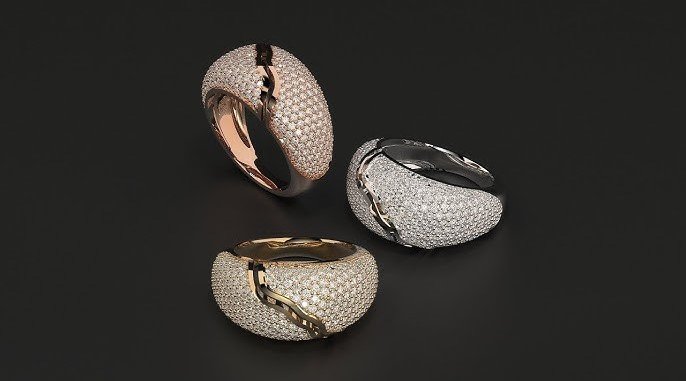
If you see a stone in a piece of fine jewelry, you can bet it is a natural gem. Diamonds, rubies, emeralds, and sapphires are the bedrock of this category. These stones are formed deep within the earth over millions of years. Because they are rare, they hold their value incredibly well. When a jeweler sets these gems into a piece, they use precise techniques like prong, bezel, or pavé settings to ensure the stone stays secure for a lifetime.
Decoding Fashion Jewelry: Style Over Substance
Fashion jewelry, sometimes called costume jewelry, is all about the “right now.” It is designed to capture the spirit of a fleeting trend without the heavy price tag. If you love changing your look to match the season’s color palette, this is your go-to category.
Metals and Plating Techniques
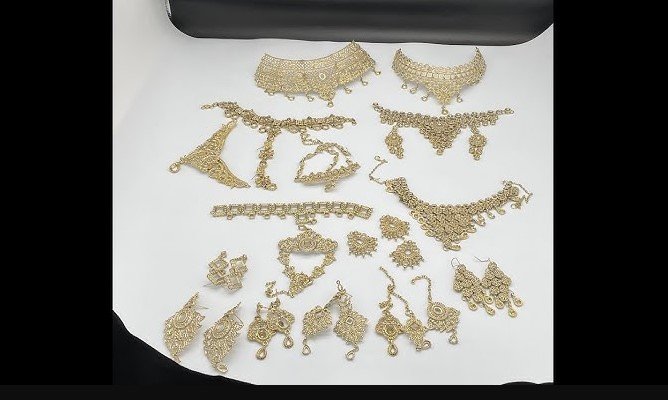
Fashion jewelry is usually made from base metals. Think brass, copper, nickel, or steel. Because these metals aren’t inherently valuable, they are often plated with a thin layer of gold or silver to give them a high-end look. Over time, that plating will wear off, revealing the base metal underneath. That is why your favorite inexpensive gold-tone ring might turn your finger green after a few months of summer humidity.
The Role of Synthetic Stones
Instead of natural diamonds, you will find crystals, glass, or cubic zirconia in fashion jewelry. These stones are manufactured in a lab. They are beautiful, sparkly, and fun, but they don’t have the same chemical composition as a genuine diamond. They serve a purely aesthetic purpose. They are perfect for when you want a big, dramatic look without spending thousands of dollars.
The Craftsmanship Factor: How They Are Made
One of the biggest factors in what defines fine jewelry vs fashion jewelry is the human touch. Fine jewelry is often handmade or cast using labor-intensive processes. A master jeweler spends hours filing, soldering, and polishing each piece. This attention to detail is why fine jewelry feels “substantial” in your hand.
Mass Production vs. Hand-Forging
Fashion jewelry is almost always mass-produced. To keep costs down, factories use molds to churn out thousands of identical pieces in a single day. This is why you see the same earrings in ten different stores. There is nothing wrong with this, as it allows for rapid innovation, but it lacks the soul and structural integrity of a piece that was forged by a human hand.
Investment and Resale Value
If you are looking to build wealth through your collection, focus on fine jewelry. Because gold and platinum are globally traded commodities, they always have a floor price. If you ever decide to part with a fine jewelry piece, a jeweler or refiner will pay you for the scrap metal and the gemstones. It is essentially money you can wear.
Why Fashion Jewelry Loses Value
Fashion jewelry is a “sunk cost.” Once you walk out of the store, the resale value is essentially zero. You are paying for the design and the brand name, not the material. When the plating wears off or the crystal falls out, the piece typically ends up in the bin. Treat fashion jewelry like you treat a pair of trendy shoes—enjoy them while they last, but don’t expect them to fund your retirement.
Skin Health and Wearability
Have you ever worn a necklace that left a dark, itchy rash on your skin? That is almost certainly a sign of fashion jewelry. Base metals like nickel are common allergens, and they react to the oils and moisture on your skin.
The Hypoallergenic Advantage
Fine jewelry is rarely hypoallergenic by accident it is made of precious metals that are chemically inert. Platinum, for instance, is highly resistant to skin reactions. If you have sensitive skin, investing in fine jewelry is not just a style choice; it is a health necessity. You will find that you can wear your gold studs 24/7 without a single worry.
How to Choose for Your Lifestyle
So, how do you balance your collection? The best approach is to adopt a “fine base, fashion accent” strategy. Use fine jewelry for your daily staples: a simple gold chain, a pair of diamond studs, or a wedding band. These are pieces that provide comfort, longevity, and timeless style.
The Fun of Mixing It Up
Save your budget for fashion jewelry for those “wildcard” pieces. If you want to experiment with chunky neon beads, oversized gold-tone hoops, or colorful enamel rings that scream 2026 fashion, go for the costume route. You get the fun of the trend without the guilt of spending a fortune. Mixing a classic fine gold ring with a trendy fashion stack can actually create a very sophisticated, modern look.
Conclusion
At the end of the day, what defines fine jewelry vs fashion jewelry comes down to intent. Fine jewelry is for the long haul—it is a companion for your life’s greatest milestones. Fashion jewelry is for the moment—it is a tool for self-expression and play. By understanding the materials, the crafting processes, and the long-term value, you can build a collection that is as smart as it is beautiful. Don’t be afraid to mix them, layer them, and have fun with them, but always know exactly what you are putting on your skin.
Frequently Asked Questions
Is gold-plated jewelry considered fine jewelry?
No, gold-plated jewelry is classified as fashion or costume jewelry because it uses a base metal core. Fine jewelry must be made of solid precious metals throughout.
Why does fashion jewelry turn my skin green?
This happens due to a chemical reaction between your sweat and the base metals, like copper or nickel, found in fashion jewelry. Fine jewelry made of gold or platinum does not cause this reaction.
Does fine jewelry require more maintenance?
Actually, fine jewelry is often more durable and requires less maintenance than fashion jewelry. While fine pieces may need an occasional professional cleaning, they do not suffer from peeling plating or rusting like cheap fashion pieces.
Can I ever get my money back on fine jewelry?
Yes, because fine jewelry contains precious metals and natural gemstones, it holds intrinsic value. You can often resell these pieces to jewelers or collectors based on their weight and quality.
What should I look for when buying fine jewelry?
Look for hallmark stamps on the metal, such as “14k,” “18k,” or “PLAT.” These stamps verify the purity of the metal and are a hallmark of genuine fine pieces.
Is it okay to wear fashion jewelry every day?
You can, but be aware that fashion jewelry is not designed for daily wear and will likely tarnish or break quickly. For pieces you wear daily, it is always better to invest in fine jewelry.