How To Wear Leggings: Stylish Outfit Ideas
In the United States, leggings work for many settings, from school runs and gym sessions to travel, casual offices, and weekend plans. The best way to wear leggings is to match the fabric, fit, length, and styling layer to the activity. Choose opaque leggings that stay in place, pair them with a top that suits the setting, and add shoes and layers that balance the close fit.
This guide explains how to wear leggings with confidence while avoiding common fit and styling problems.

Choose the Right Leggings
The right leggings should feel secure without squeezing, sliding, or becoming see-through. Start with the activity, then choose the fabric, rise, length, and level of support.
Pick the right fabric
Leggings often use nylon, polyester, cotton, spandex, or a blend of these fibers.
- Nylon and spandex: Smooth, stretchy, and often useful for workouts.
- Polyester and spandex: Common in athletic leggings because the fabric dries quickly.
- Cotton blends: Soft and comfortable for casual wear, but they may hold sweat.
- Thicker brushed fabric: Warm and soft for cool weather.
- Lightweight fabric: Better for hot weather, but check it carefully for opacity.
For exercise, look for fabric that moves with you and does not stay wet for a long time. For daily wear, comfort and appearance may matter more than sweat control.
Check opacity before wearing them outside
Leggings should not become transparent when you bend, sit, or stretch. Test them in bright light before wearing them in public.
Try this simple check:
- Put on the leggings with the underwear you plan to wear.
- Stand near a bright window or under strong indoor light.
- Bend, squat, sit, and walk.
- Check the front, back, and side seams.
- Ask someone you trust to check the rear view if needed.
If the fabric becomes see-through, choose a larger size only if the current pair is too tight. A larger size will not always fix thin fabric. A different fabric or a lined style may work better.
Select a rise and waistband that stay in place
High-rise leggings sit at or above the natural waist. They can create a smooth line under short tops and may feel secure during movement.
Mid-rise leggings sit lower on the waist. They can work well with longer tops and may feel less restrictive.
The waistband should lie flat without rolling. If it rolls during normal movement, the leggings may be too tight, too loose, or poorly shaped for your body.
Choose the right length
| Legging length | Best use | Main styling note |
|---|---|---|
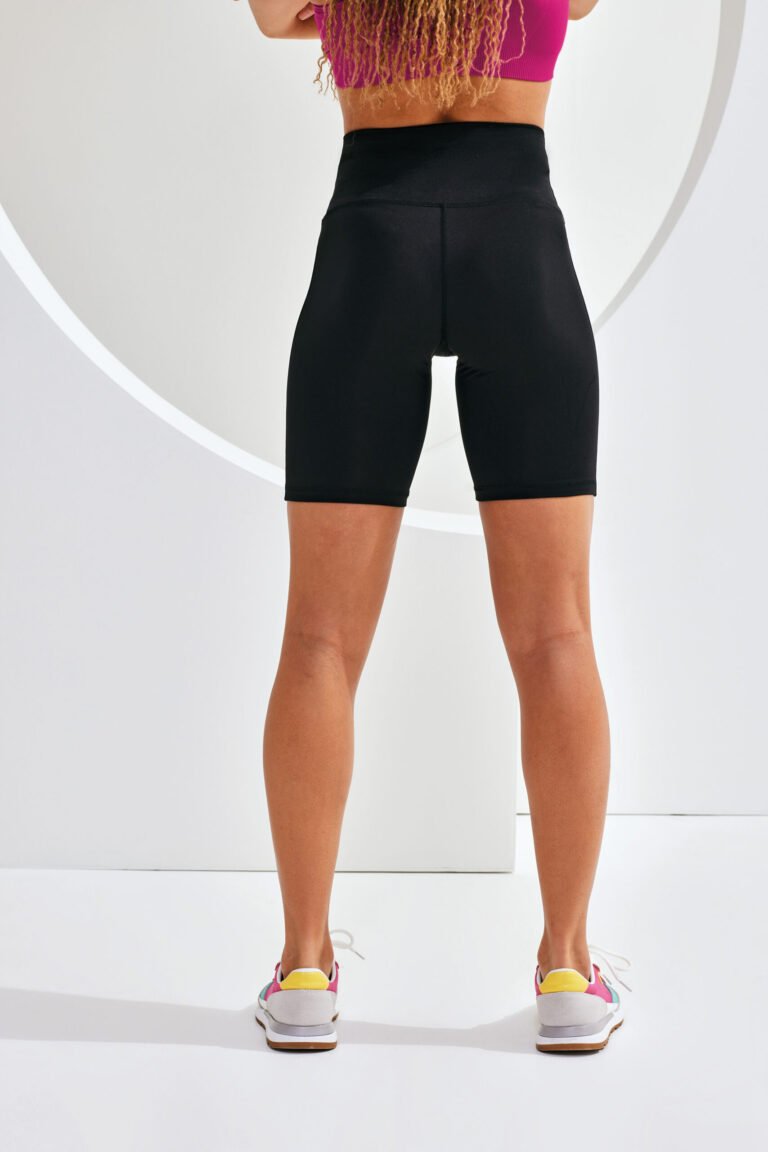
| Full length | Workouts, cold weather, boots, sneakers | Creates a long, clean line |
| 7/8 length | Exercise, warm weather, everyday outfits | Ends above the ankle on many people |
| Capri length | Hot weather and some workouts | Works best with low-profile shoes |
| Stirrup or split hem | Fashion outfits | Pair with shoes that show the detail |
Legging length depends on your height and the brand’s cut. A full-length pair on one person may look like a 7/8 style on another.

How to Wear Leggings casually
for a casual outfit, balance fitted leggings with a top that has some length, shape, or volume. This creates a clear outfit rather than making the leggings look like an afterthought.
Pair leggings with an oversized shirt
An oversized button-down, flannel shirt, or denim shirt adds structure and coverage. Leave the shirt open over a fitted tank top, or button it partly for a cleaner look.
This outfit works well with:
- White or neutral sneakers
- Ankle boots
- A simple crossbody bag
- Small hoops or a watch
Keep the rest of the outfit simple if the shirt has a bold print.
Wear a long sweater
A long sweater gives leggings a soft, relaxed look. Choose a sweater that reaches at least the upper hip. A longer hem can provide more coverage and make the outfit feel balanced.
Try:
- Black leggings with a cream sweater
- Gray leggings with a navy sweater
- Brown leggings with an oatmeal or tan sweater
- Dark green leggings with a black sweater
Add boots in fall and winter. In warmer weather, use a light knit or cotton sweater with slip-on shoes.
Add a blazer for a sharper look
A blazer can make leggings look more polished. Choose a longer blazer that covers part of the hip rather than a very short jacket.
For a simple outfit, wear:
- Black opaque leggings
- A longer white or black top
- A structured blazer
- Loafers, clean sneakers, or ankle boots
This look is best for casual environments. A workplace may have a dress code that does not allow leggings as pants, so check the policy first.
Use layers to create shape
Leggings have a close fit. A third layer can add visual balance and make an outfit look more complete.
Useful layers include:
- Long cardigans
- Utility jackets
- Denim jackets
- Trench coats
- Long vests
- Lightweight shirt jackets
A long outer layer is especially useful when the top ends at the waist and you want more coverage.

How to Wear Leggings for Exercise
Workout leggings should support movement and comfort. They should not distract you with slipping, pinching, overheating, or chafing.
Choose leggings based on the workout
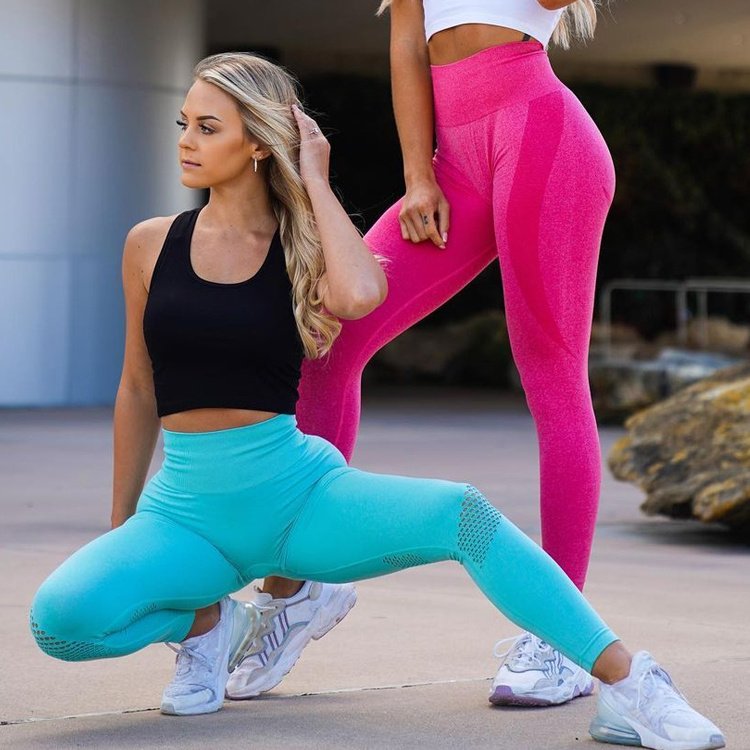
For yoga, Pilates, and stretching, choose soft leggings with four-way stretch. The waistband should stay flat during bends and twists.
For running, walking, and outdoor training, look for:
- Moisture-managing fabric
- A secure waistband
- A pocket for a phone or key
- Reflective details for low-light use
- A length suited to the weather
For strength training, test the leggings through squats, lunges, and hip hinges. Seams should not dig into the skin or pull sharply when you move.
Wear the right base layer
Underwear can affect both comfort and appearance. Choose a pair that does not bunch or create harsh lines. Seamless underwear may reduce visible edges, but it is not required.
Avoid wearing fabric that stays damp against the skin for long periods. Change out of sweaty clothing after exercise when possible, especially if you are prone to irritation.
Check the fit during movement
A good pair of workout leggings should remain in place without constant adjustment. If the waistband slips, try a different rise, size, or cut.
If the fabric pulls across the hips or inner thighs, the leggings may be too small or may not have enough stretch. Horizontal stress lines are a useful warning sign. The leggings should stretch with your body rather than fight against it.
Think about temperature
Use thicker leggings, fleece-lined styles, or a base layer in cold conditions. In hot weather, lightweight fabric and a shorter length may feel more comfortable.
No single fabric works best for every climate. A thick pair may feel supportive indoors but too warm during summer exercise.

How to Wear Leggings With Different Shoes
Shoes change the overall message of a leggings outfit. Use them to match the activity and add structure.
Sneakers
Sneakers are the easiest match for leggings. Low-profile white sneakers create a clean casual look. Running shoes suit active outfits, but they can look out of place with a dressier blazer or coat unless the outfit is intentionally sporty.
Ankle boots
Ankle boots work well with full-length leggings. The legging hem should meet the boot with little or no gap.
For a longer leg line, choose leggings and boots in similar colors. For contrast, wear black leggings with tan, brown, or light-colored boots.
Tall boots
Tall boots pair well with leggings because the slim leg fits inside the boot. Add a long sweater, tunic, or coat to create a balanced cold-weather outfit.
Avoid bunching the leggings inside the boot. Smooth the fabric from the ankle upward before putting on the boot.
Loafers and ballet flats
Loafers can make leggings look more polished. They work best when the leggings end cleanly at the ankle and the top has some structure.
Ballet flats create a light, simple look, especially with cropped leggings. They may provide less support than sneakers, so choose them for activities that do not involve much walking.
Sandals
Simple sandals can work with lightweight leggings in warm weather. Choose a top with a relaxed shape, such as a long tunic, oversized shirt, or loose button-down.

How to Wear Leggings for Work or a Dressier Setting
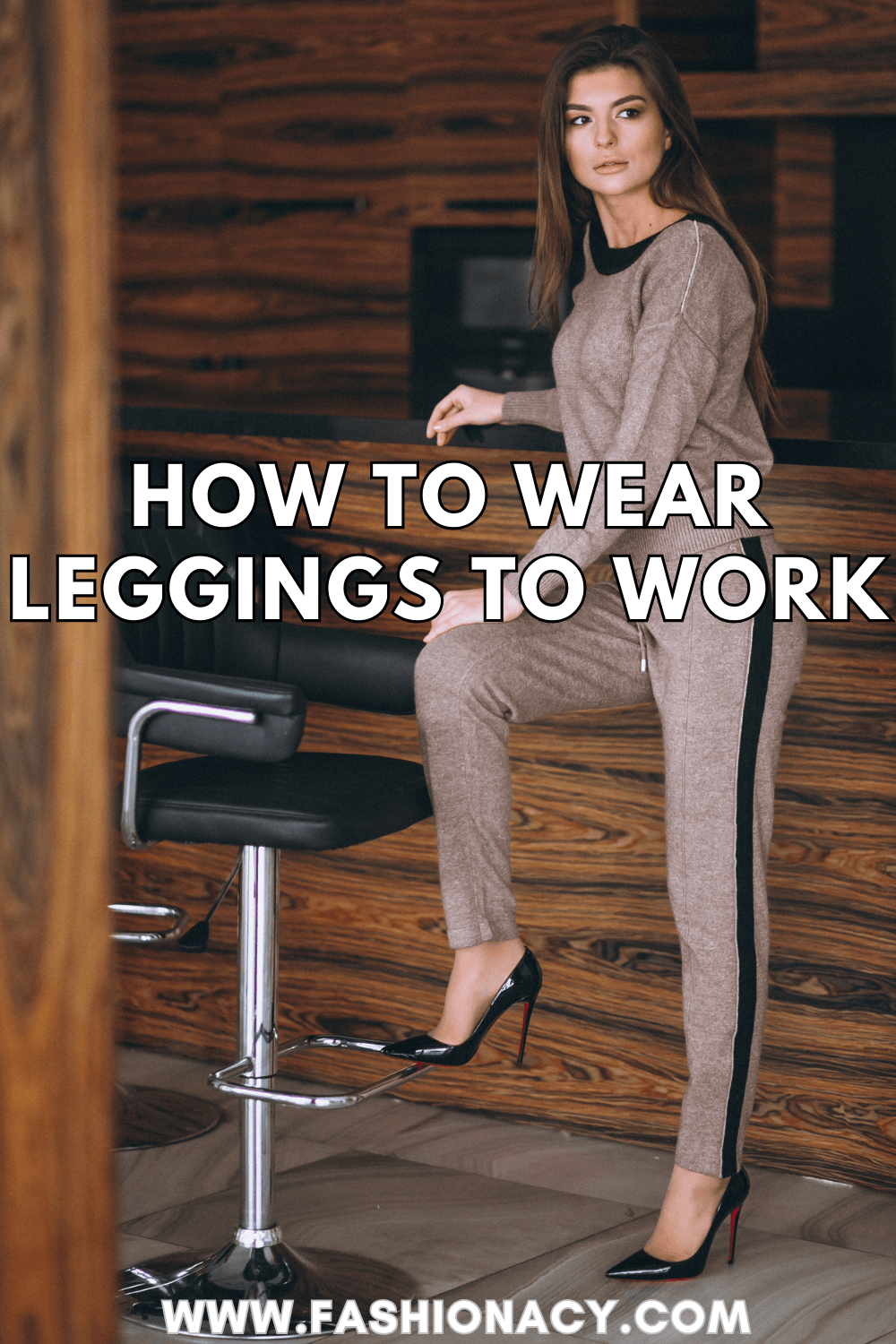
Leggings are not accepted in every workplace. Before wearing them to work, read the dress code and observe what employees typically wear.
If leggings are allowed, style them as part of a complete outfit rather than as a replacement for trousers.
Use thicker, opaque leggings
Choose a polished pair with a matte finish. Avoid fabric that is sheer, shiny, heavily worn, or designed only for exercise.
Black, charcoal, navy, and dark brown are usually easy to style. A subtle texture can add interest, but large logos and bright athletic details may look too casual for some offices.
Add a longer top
A tunic, long blouse, or sweater dress can provide coverage and create a more professional outline. A short T-shirt with leggings usually looks more casual.
Add tailored layers
A blazer, long cardigan, or structured coat can make the outfit look more intentional. Pair the layers with loafers, boots, or simple flats.
Know when leggings are the wrong choice
Leggings may not be suitable for formal offices, interviews, ceremonies, or events with traditional dress expectations. In those settings, trousers, a skirt, or a dress may be a safer choice.

How to Wear Leggings in Different Seasons
Leggings can work year-round when you adjust the fabric and layers.
Spring
Wear lightweight leggings with:
- A cotton button-down
- A denim jacket
- A light sweater
- Sneakers or loafers
Spring outfits often benefit from lighter colors, but dark leggings remain easy to style.
Summer
Choose breathable, lightweight leggings or a cropped length. Pair them with a loose T-shirt, tank top under an open shirt, or lightweight tunic.
Watch for heat and moisture. If leggings feel too warm, loose shorts, wide-leg pants, or a skirt may be more comfortable.
Fall
Fall is ideal for leggings with sweaters, flannels, boots, and jackets. Add texture through knitwear, suede, denim, or corduroy.
A long cardigan or coat can add warmth without making the outfit bulky.
Winter
Choose thicker leggings or fleece-lined styles. Wear them with tall boots, wool socks, a long sweater, and a coat.
Make sure the leggings do not restrict movement when layered under boots or outerwear. If they feel tight after adding layers, use a different cut rather than forcing the outfit.

Common Legging Mistakes and How to Fix Them
Small fit and styling problems can change how an outfit looks and feels.
The leggings are see-through
Possible causes:
- Thin fabric
- Excessive stretching
- Strong backlighting
- Worn-out fibers
- Poor color coverage
Fix: Test a different fabric, replace worn leggings, or wear a longer top while choosing a more opaque pair.
The waistband rolls down
Possible causes:
- The leggings are too tight
- The rise does not match your body
- The waistband lacks structure
- The fabric has lost recovery
Fix: Try a different rise or cut. Do not assume a tighter waistband will solve the problem.
The leggings slide down
Possible causes:
- The leggings are too large
- The waistband is too smooth
- The rise is too short
- The fabric does not recover after stretching
Fix: Try a smaller size only if the fabric remains opaque and comfortable. Otherwise, choose a different design.
The outfit looks too much like gym wear
Fix: Add a non-athletic layer, such as a blazer, denim jacket, long cardigan, or button-down shirt. Swap performance sneakers for loafers or clean casual sneakers when appropriate.
The outfit feels too plain
Fix: Add one clear point of interest. This could be a textured sweater, colorful jacket, patterned scarf, structured bag, or interesting shoe. One strong detail often works better than several competing ones.
The leggings create visible underwear lines
Fix: Try seamless underwear, a longer top, or a thicker fabric. Thongs are not required, and comfort should guide the choice.

Leggings Fit and Style Checklist
Before leaving home, check the following:
- The fabric remains opaque when you bend and sit.
- The waistband stays in place.
- The seams do not pinch or rub.
- The leggings do not restrict movement.
- The hem suits the shoes.
- The top matches the setting.
- The outfit has enough structure or layering.
- The fabric is clean and free from heavy pilling.
- The color and pattern work with the rest of the outfit.
- The clothing follows the relevant school, work, or event dress code.
A successful leggings outfit should feel comfortable, look intentional, and suit the activity. If you keep adjusting one item, that item may not be the right cut for you.
Key Takeaways
- Choose leggings based on the activity, fabric, rise, and length.
- Test opacity in bright light and while bending or sitting.
- Balance fitted leggings with a longer or more structured top.
- Wear sneakers for athletic outfits and boots, loafers, or flats for a more polished look.
- Check workplace and event dress codes before wearing leggings.
- Replace leggings that have become thin, sheer, stretched, or heavily pilled.
- Comfort matters more than following a fixed fashion rule.
Frequently Asked Questions
Should leggings be tight or loose?
Leggings should fit close to the body without causing pain, pinching, rolling, or transparency. If the fabric pulls sharply or you cannot move freely, try another size or cut. Leggings that slide down may be too loose or may have the wrong rise.
What tops look best with leggings?
Long T-shirts, tunics, oversized shirts, sweaters, shirt jackets, and blazers all work well. The best choice depends on the setting. A longer or structured top can balance the close fit of leggings.
Can you wear leggings as pants?
You can wear leggings as the main bottom layer when the fabric is opaque, comfortable, and suitable for the setting. Some schools, workplaces, and events have rules about leggings, so check the dress code before you go.
What shoes should you wear with leggings?
Sneakers, ankle boots, tall boots, loafers, ballet flats, and some sandals can all work. Match the shoes to the activity, weather, legging length, and formality of the outfit.
How do you prevent leggings from being see-through?
Choose a thicker, opaque fabric and the correct size. Test the leggings in bright light while bending and sitting. If they become sheer, replace them with a better fabric rather than relying only on a longer top.
Are leggings suitable for exercise?
Yes, when they allow free movement and stay in place. Choose fabric and features based on the workout, weather, and amount of sweat. Stop wearing a pair if it causes repeated rubbing, pain, or skin irritation.
Conclusion
The easiest way to wear leggings well is to treat them as the starting point of an outfit. Choose a fabric that fits the activity, check that the leggings are opaque, and add a top and shoes that match the setting. A balanced layer, clean fit, and comfortable movement will make the outfit look deliberate rather than unfinished.