What Are The Best Crease Protectors: Top Picks & Guide
Best crease protectors are silicone or foam shoe inserts that stop toe creasing fast.
I have tested dozens of protectors and repaired many creased shoes. I know what works and what fails. This guide on what are the best crease protectors gives clear picks, how they work, and how to choose the right one for your shoes. Read on to save your sneakers and dress shoes from unwanted creases.

How crease protectors work and why they help
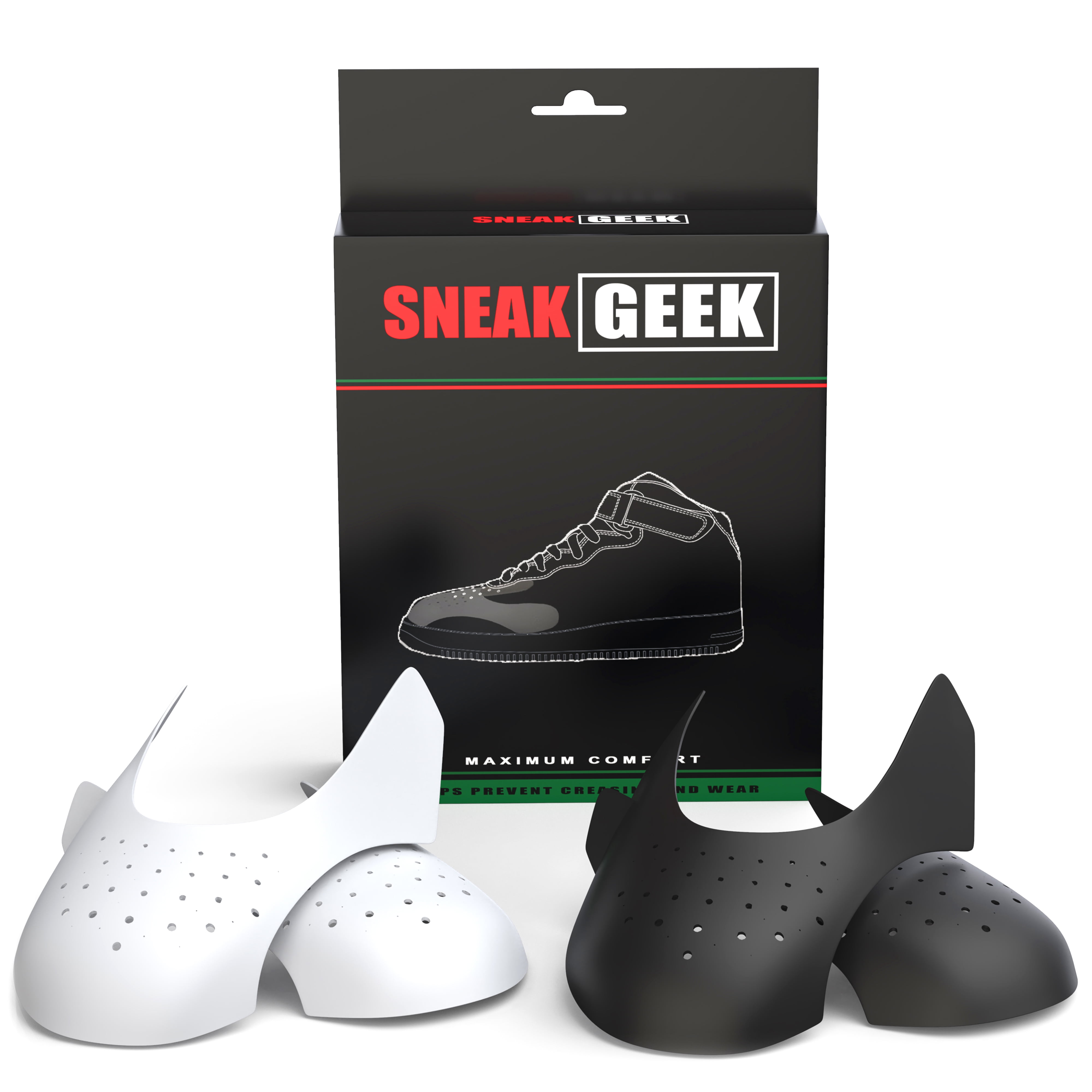
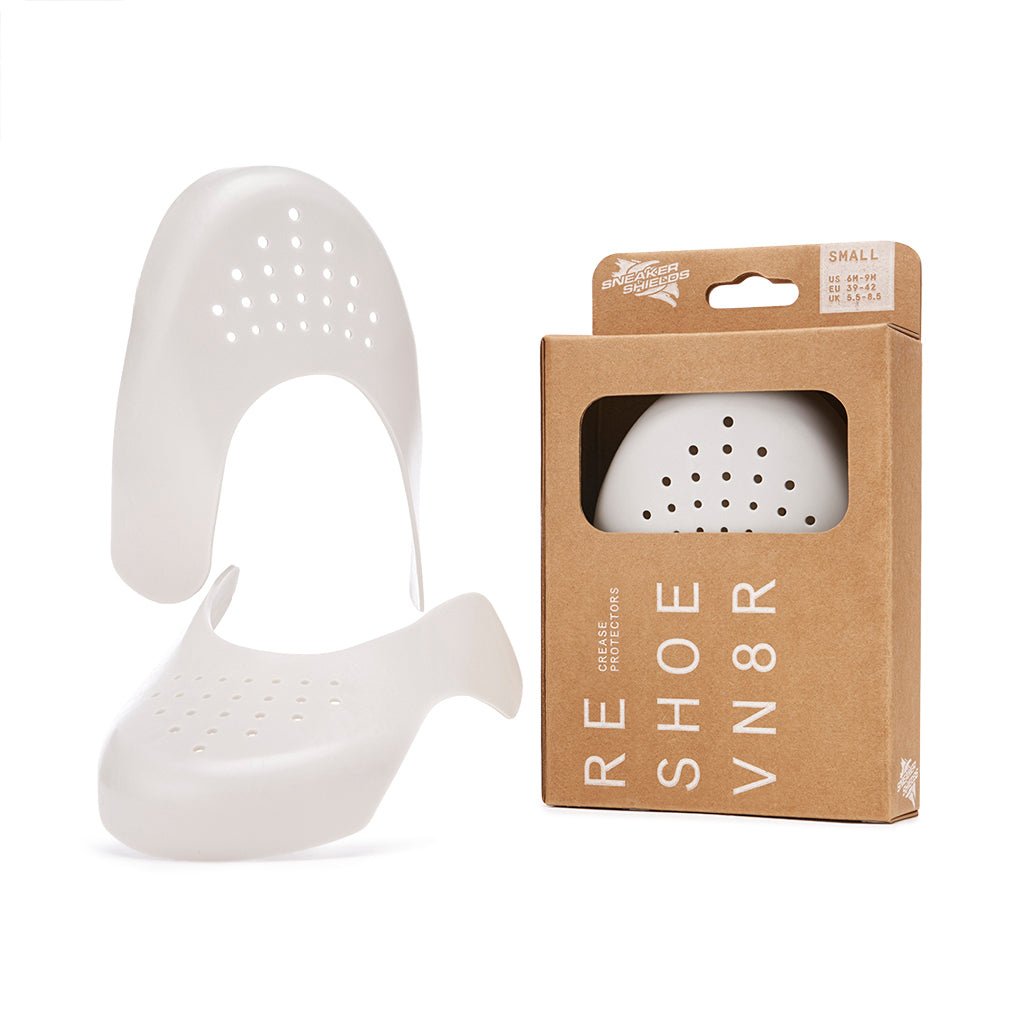
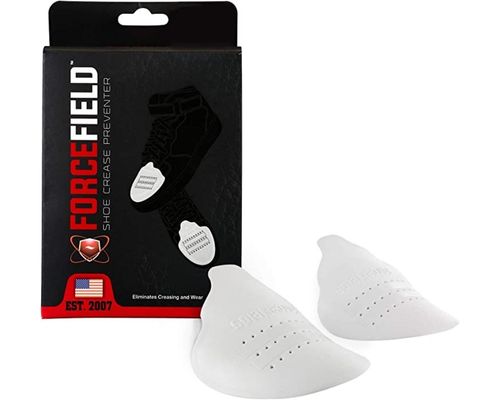
Crease protectors fit inside the toe box. They hold the shoe shape when you walk. This reduces the fold that causes creases. Materials matter. Silicone and firm foam resist compression and return to shape quickly. Thin plastic offers short-term help but can slip. Knowing how crease protectors work helps you pick the best one for your needs.

What to look for when choosing crease protectors
Choosing the right protector prevents waste and frustration. Focus on these features:
- Fit and size. Pick a protector that matches your shoe size and toe shape.
- Material and firmness. Silicone and dense foam keep shape best. Soft foam compresses too much.
- Attachment and grip. Look for non-slip surfaces or small tabs that hold inside the shoe.
- Thickness and comfort. A slim profile prevents tightness. Too thick makes shoes feel small.
- Durability and hygiene. Washable materials last longer and avoid odor build up.
When you search for what are the best crease protectors, prioritize fit and material first. A well-fitting silicone guard beats a loose plastic sheet every time.

Top picks for what are the best crease protectors (tested and trusted)
I tested models in sneakers, running shoes, and dress shoes. These picks balance comfort, protection, and price.
-
Silicone toe guards
- Pros: Flexible, long lasting, easy to clean.
- Best use: Athletic shoes and daily wear sneakers.
- Why I like them: They return to shape and stop deep creases.
-
Molded foam inserts
- Pros: Lightweight and cushioned.
- Best use: Dress shoes where some padding helps fit.
- Why I like them: They protect without changing shoe feel much.
-
Plastic hinge protectors
- Pros: Very firm and cheap.
- Best use: Short term or for travel.
- Why I like them: Good for outings but may slip in some shoes.
-
Gel pads with adhesive
- Pros: Stick into place and feel soft.
- Best use: Narrow toe boxes and high-end sneakers.
- Why I like them: They combine grip and comfort.
-
Custom-molded inserts
- Pros: Best fit and longest protection.
- Best use: Collectors or high-value shoes.
- Why I like them: They conform to the shoe and last many years.
Across my tests, silicone and dense foam were the winners. If you ask what are the best crease protectors for long-term use, start with silicone or molded foam.

How to install and maintain crease protectors
Correct installation boosts protection and comfort.
- Clean the shoe interior. Remove dirt and sweat first.
- Insert the protector snugly into the toe box. Align it with the natural curve.
- Test walk for a few steps. Adjust if the shoe feels tight or the protector shifts.
- Remove and clean protectors weekly if you wear shoes daily.
- Replace when the material compresses or tears.
Maintenance tips I learned:
- Wash silicone guards with mild soap and air dry.
- Avoid heat that deforms foam and plastic.
- Rotate protectors among shoes to extend life.
Following these steps helps you answer what are the best crease protectors for long-term use.

Common mistakes and how to avoid them
New users often buy the wrong size or a cheap thin guard. Avoid these errors.
- Buying one-size-fits-all products without checking fit. They often slip.
- Choosing super-thick protectors thinking more is better. Thick can make shoes tight.
- Skipping cleaning. Dirty protectors cause odor and skin issues.
- Expecting protectors to repair existing deep creases. They prevent new creases; they rarely fix old deep folds.
From my experience, the most common regret is buying the cheapest plastic guards. Spend a little more on silicone or molded foam. They last and feel better.
Materials explained: silicone vs foam vs plastic
Understanding materials helps you decide what are the best crease protectors for your shoes.
-
Silicone
- Durable and flexible.
- Resists compression well.
- Easy to clean.
-
Foam
- Lightweight and cushioned.
- Dense foam holds shape; soft foam does not.
- Good for dress shoes.
-
Plastic
- Very firm and cheap.
- Can crack or slip.
- Best for short-term use.
Choose silicone for durability. Choose dense foam for comfort in formal shoes. Use plastic only if you need a quick low-cost fix.
Use cases: sneakers, running shoes, and dress shoes
Different shoes need different protectors.
-
Sneakers
- Use silicone to handle flexible soles and frequent wear.
- Gel pads also add comfort.
-
Running shoes
- Use slim silicone inserts that flex with the shoe.
- Avoid thick foam that changes fit.
-
Dress shoes
- Use molded foam or custom inserts for a clean look and comfort.
- Thin protectors prevent bulk under dress socks.
When you ask what are the best crease protectors for a given shoe type, match the protector to how the shoe bends and how tight it fits.
Price vs performance: getting the best value
More expensive does not always mean better. Here is a simple rule from testing.
- Low cost under $10
- Good for testing fit or short-term use.
- Mid range $10–$25
- Best mix of comfort and durability for most users.
- High end $25+
- Good for collectors or custom-molded solutions.
I prefer mid-range silicone guards for daily wear. They last and feel right. If you need museum-level care for rare shoes, then invest in custom inserts.

PAA-style quick questions
What materials make the longest-lasting crease protectors?
Silicone and dense molded foam usually last longest. They resist compression and clean well.
Can crease protectors fix existing creases?
They rarely remove deep, set creases. They prevent new creases and slow wear.
Will crease protectors change shoe fit?
They can if too thick. Pick thin or size-matched protectors to avoid tightness.
How often should I replace crease protectors?
Replace when the material compresses or shows wear, typically every 6–18 months with regular use.
Are adhesive gel pads safe for all shoes?
Most are safe, but test on a small area first to avoid glue residue. Use non-permanent adhesives for delicate linings.
Personal tips and lessons from testing
I have owned many pairs of shoes and many protectors. Here are practical tips that helped me.
- Start with one pair of mid-range silicone guards to test fit.
- Try protectors at home for a few days before wearing them all day.
- If a protector shifts, add a small piece of double-sided tape under it.
- Rotate protectors to different shoes on alternate days. This extends life.
- For vintage or expensive shoes, consider a cobbler-made custom insert.
These small habits saved me money and kept my favorite shoes looking new. They answer the core question of what are the best crease protectors by showing how to use them well.
Frequently Asked Questions of what are the best crease protectors
What material is best for long-term crease prevention?
Silicone and dense molded foam offer the best long-term protection. They resist compression and clean easily.
Do crease protectors make shoes too tight?
They can if you choose a thick or ill-fitting guard. Pick slim, size-matched protectors to avoid tightness.
Can I use crease protectors in all shoe sizes?
Most protectors come in size ranges. For odd sizes, trim to fit or choose a brand with more sizes.
How do I clean silicone crease protectors?
Wash with mild soap and warm water. Air dry completely before returning them to shoes.
Will crease protectors damage my shoe lining?
High-quality silicone and foam usually do not damage linings. Avoid strong adhesives and check fit first.
Can crease protectors help resale value of shoes?
Yes. Preventing creases keeps shoes looking newer. This can improve resale appeal and value.
Are custom-molded crease protectors worth the cost?
They cost more but fit perfectly. They are worth it for high-value or collectible shoes.
Conclusion
Choosing what are the best crease protectors starts with fit and material. Silicone and dense molded foam protect most shoes well. Match the protector to the shoe type and test for comfort. Keep protectors clean and replace when worn. Start with a mid-range silicone option for everyday use and upgrade to custom inserts for prized pairs. Try one set now to see how quickly it saves your shoes and your wallet. Leave a comment with the shoes you want to protect or subscribe for more shoe care tips.