What Is Pave in Jewelry? (Everything You Need To Know)
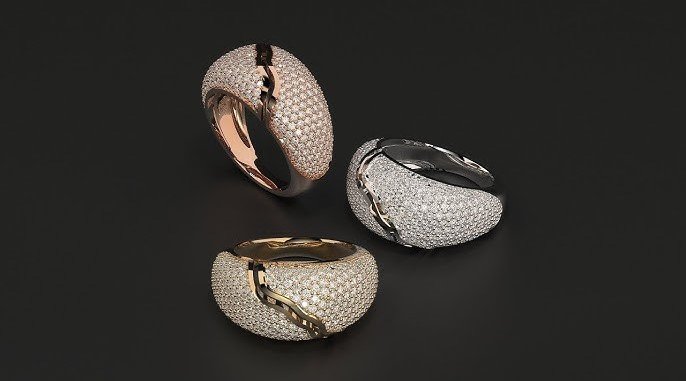
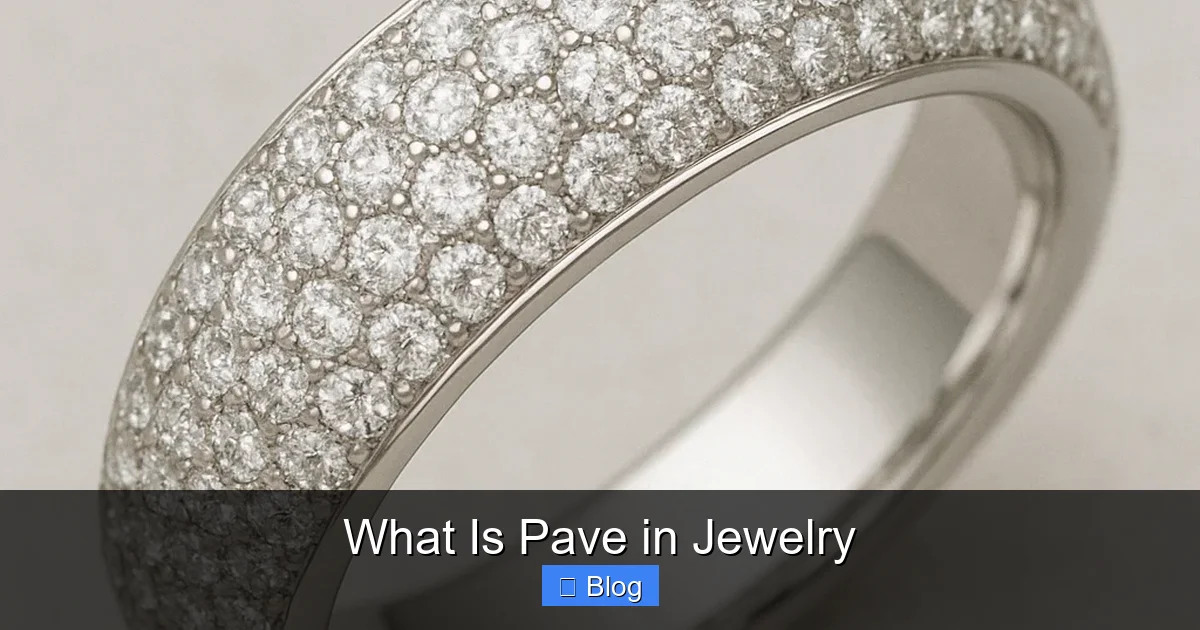
Pave in jewelry is a popular setting style where tiny diamonds or gemstones are set close together to create the illusion of a continuous surface of sparkle. By using small metal beads to hold the stones in place, jewelers minimize visible metal and maximize light reflection, making your jewelry look luxurious and radiant.
If you have ever stared at a diamond ring and wondered why it glows so intensely, you have likely encountered the magic of pave. As we head into 2026, this style has become more popular than ever, gracing everything from everyday stackable bands to extravagant red-carpet necklaces. When people ask, “what is pave in jewelry,” they are usually admiring the way tiny stones transform a piece of metal into a sea of light.
At its heart, the term “pave” comes from the French word for “paved,” like a cobblestone street. Just as stones cover the ground on a street, diamonds cover the surface of your jewelry. It is a brilliant way to add texture, luxury, and unmatched brilliance to any piece of fine jewelry. Whether you are shopping for an engagement ring or just treating yourself to something special, understanding this setting will help you make a smarter choice.
Key Takeaways
- The Sparkle Effect: Pave jewelry is designed to cover the metal surface with stones, creating a brilliant, continuous shimmer.
- Affordable Luxury: Because pave uses many small stones rather than one large one, it often offers a high-impact look at a more accessible price point.
- Maintenance Matters: Since pave settings rely on tiny prongs or beads, they require regular professional cleaning and safety checks to prevent stones from loosening.
- Versatile Aesthetics: This technique is used on everything from delicate engagement rings to bold fashion necklaces, allowing for endless design creativity.
- Expert Craftsmanship: A high-quality pave setting requires a skilled jeweler to ensure each stone is perfectly aligned and secured to avoid uneven texture.
Understanding the Pave Setting Technique
To really grasp what is pave in jewelry, we have to look at how it is made. Unlike a solitaire setting that highlights one large diamond, a pave setting uses a collection of small stones, often referred to as melee diamonds. These stones are usually 0.01 to 0.02 carats each. The jeweler carves small indentations into the metal band, places the stones into those slots, and then pushes up tiny beads of the surrounding metal to act as prongs.
Why Jewelers Choose Pave
The primary reason for using this technique is light performance. By setting the stones close together, the gaps between them become nearly invisible. The eye sees a continuous line or area of sparkle rather than individual metal prongs. This is particularly popular in 2026 because modern jewelry design focuses on maximalism and high-impact brilliance. It turns a simple band into a statement piece.
Types of Pave Settings
Not all pave is created equal. There are several variations that change the look and durability of your jewelry. For instance, “micro-pave” involves even smaller stones set with a microscope to ensure perfect precision. Then there is “bright-cut pave,” where the metal around the stones is cut to reflect even more light, making the diamonds appear larger than they actually are.
The Aesthetic Appeal of Pave Jewelry
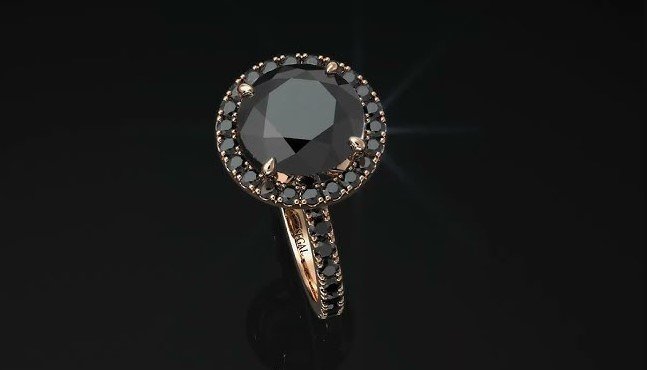
The biggest draw of pave in jewelry is the sheer visual impact. It allows for a design that feels both delicate and substantial at the same time. If you love a piece of jewelry that catches the light from every angle, pave is your best friend. In 2026, we are seeing a massive trend toward “pave halos” on rings, which surround the center stone with a ring of smaller diamonds to make the main diamond pop.
Style Versatility
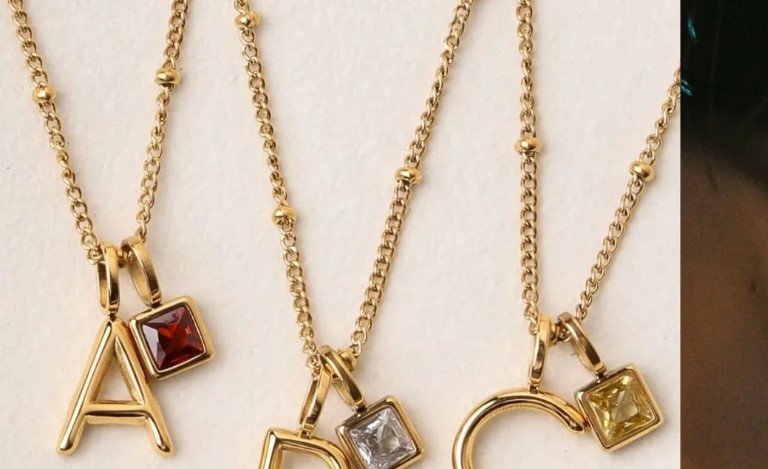
You can find pave on almost anything. It looks classic on yellow gold wedding bands, modern on sleek platinum settings, and romantic on rose gold earrings. Because the technique is so flexible, designers can create patterns, swirls, or even pave-set initials. The level of customization is limited only by your imagination.
Maximizing Your Budget
Buying a large, high-quality diamond can be an enormous investment. Pave offers a clever alternative. By choosing a smaller center stone and surrounding it with a pave setting, you create a larger overall surface area of sparkle for a fraction of the cost of one giant stone. It is a fantastic way to get a “big look” that fits comfortably within your budget.
Practical Tips for Maintaining Pave
While we love the beauty of pave in jewelry, we must also be realistic about the care it requires. Because the stones are held in place by such small, delicate beads of metal, they can be vulnerable. If you bump your ring against a hard surface, those tiny beads can shift, and a stone might become loose or fall out entirely. This is the most common issue with this type of setting.
Regular Professional Inspections
In 2026, we recommend that anyone wearing pave jewelry visits their jeweler for a professional checkup at least every six months. A professional can look through a jeweler’s loupe to see if any of the stones are loose or if the beads are wearing thin. Catching a loose stone early is much cheaper than replacing a lost diamond.
Cleaning Your Pave Jewelry
Pave settings are notorious for collecting dirt, lotion, and soap in the tiny crevices between the stones. This buildup can make your beautiful jewelry look dull and cloudy. To keep your pieces shining, use a soft-bristled toothbrush, warm water, and a very mild soap to gently scrub the surface. Avoid harsh chemicals or ultrasonic cleaners unless your jeweler confirms they are safe for your specific piece.
Pave vs. Channel vs. Bezel Settings
To truly understand what is pave in jewelry, it helps to compare it to other common settings. Each has its own benefits and drawbacks, and knowing the difference helps you choose what is right for your lifestyle.
Pave vs. Channel
In a channel setting, diamonds are suspended between two parallel metal walls. While this looks very sleek and modern, it offers less overall sparkle than pave because the metal walls block light from entering the sides of the diamonds. Pave is generally flashier, while channel settings are often considered more secure for daily wear.
Pave vs. Bezel
A bezel setting surrounds a diamond with a full metal rim. This is the ultimate choice for someone with an active, hands-on lifestyle, as it offers the highest level of protection. However, it does not have the “dazzle” factor of pave. If your priority is maximum shine, pave is the winner. If your priority is durability for gardening or heavy lifting, you might want to look at bezel or channel options instead.
Choosing the Right Pave for Your Lifestyle
Are you looking for an engagement ring to wear every day for the rest of your life, or are you looking for a pair of earrings for special occasions? This question should guide your decision regarding pave in jewelry. If you are very active, you might want to consider “half-pave” bands, where the diamonds only go halfway around the ring. This prevents the stones on the palm-side of your hand from hitting surfaces every time you grab a door handle.
The Importance of Quality Craftsmanship
Because so many tiny stones are involved, the quality of the setting is paramount. If the stones are not set at the correct depth or if the metal beads are not pushed over the stones firmly enough, the jewelry will not last. Always buy pave jewelry from a reputable jeweler who stands behind their work. A high-quality pave setting should feel smooth to the touch, not scratchy. If your finger gets snagged on the stones, the setting is not high quality.
The Evolution of Pave in 2026
We are seeing exciting changes this year. Designers are now mixing different gemstone shapes within pave settings, such as combining round brilliant diamonds with tiny baguettes to create a more geometric, modern look. Furthermore, lab-grown diamonds have made pave settings even more accessible, allowing for full-circle pave bands that were once prohibitively expensive for many buyers.
Conclusion
So, what is pave in jewelry? It is a masterful technique that turns metal and small stones into a symphony of light. It is one of the most effective ways to add luxury to a piece, providing that “wow” factor that draws the eye from across the room. Whether you are drawn to the vintage charm of antique-style pave or the sleek, modern look of micro-pave, there is an option out there for every style and personality.
By choosing quality craftsmanship and staying on top of routine maintenance, your pave jewelry can provide you with years of brilliant sparkle. Remember to treat your pieces with care, have them checked by a professional, and enjoy the radiant beauty that only a pave setting can provide. After all, life is too short to wear jewelry that doesn’t shine as brightly as you do!
Frequently Asked Questions
Is pave jewelry durable for everyday wear?
Pave jewelry is beautiful but requires care, as the tiny prongs can snag or loosen over time. It is generally safe for daily wear if you are mindful of your hands and have the setting inspected by a jeweler regularly.
What is the difference between pave and micro-pave?
The main difference is the size of the stones and the precision required. Micro-pave uses even smaller diamonds and requires a jeweler to work under a microscope, resulting in a more seamless, fluid appearance.
Will the stones fall out of a pave setting easily?
While stones can come loose, this usually happens only if the jewelry is hit against a hard surface or if the setting was not crafted well. Regular checkups at a jewelry store can prevent stones from being lost.
Can pave settings be resized?
Resizing a pave ring is complex because of the diamonds set along the band. It is often possible, but you should always consult with a skilled jeweler to ensure the structural integrity of the setting isn’t compromised.
Does pave jewelry require special cleaning?
Yes, because the small gaps between stones trap dirt and oil, you should clean your pave jewelry gently with a soft toothbrush and mild soap. Avoid harsh ultrasonic cleaners unless your jeweler gives you the green light.
Why is pave often cheaper than a solitaire setting?
Pave jewelry uses many smaller, less expensive stones rather than one large, high-carat diamond. This allows you to achieve a large, brilliant look for a lower total price point.