
How To Fix Scrunch Bum Leggings: Easy Repair Guide
Scrunch bum leggings can often be fixed at home if the problem is a loose seam, stretched fabric, slipping waistband, or poor fit. Start by checking the care label and finding the exact cause. Small seam repairs may need only a needle, polyester thread, and a few careful stitches. A bad size, damaged elastic, or torn fabric may require a tailor, return, or replacement.
This guide applies to leggings sold and worn in the United States, including workout leggings made from nylon, polyester, and spandex blends. The safest repair method depends on whether the issue affects the center-back scrunch seam, waistband, leg fabric, or overall fit.

Identify the Problem Before You Repair the Leggings
The right fix depends on the symptom. Do not tighten or cut the leggings until you know whether the issue comes from the seam, the fabric, the elastic, or the size.
| Problem | Likely cause | Best first step |
|---|---|---|
| The scrunch seam is loose | Broken or weak stitching | Restitch the seam |
| The center seam has opened | Seam failure or high tension | Turn the leggings inside out and inspect the seam |
| The scrunch detail looks flat | Stretched elastic or excess fabric | Check the ruching cord and fit |
| The leggings slide down | Loose waistband, smooth fabric, or wrong size | Check waistband tension and rise |
| The fabric feels too tight | Small size or low stretch | Stop pulling the seam and try a larger size |
| A hole is forming | Friction, overstretching, or worn fabric | Reinforce only if the surrounding fabric is still strong |
| The leggings became loose after washing | Heat or fiber damage | Change the wash and drying method |
| The seat looks uneven | Twisted seam or uneven gathers | Reset the seam before sewing |
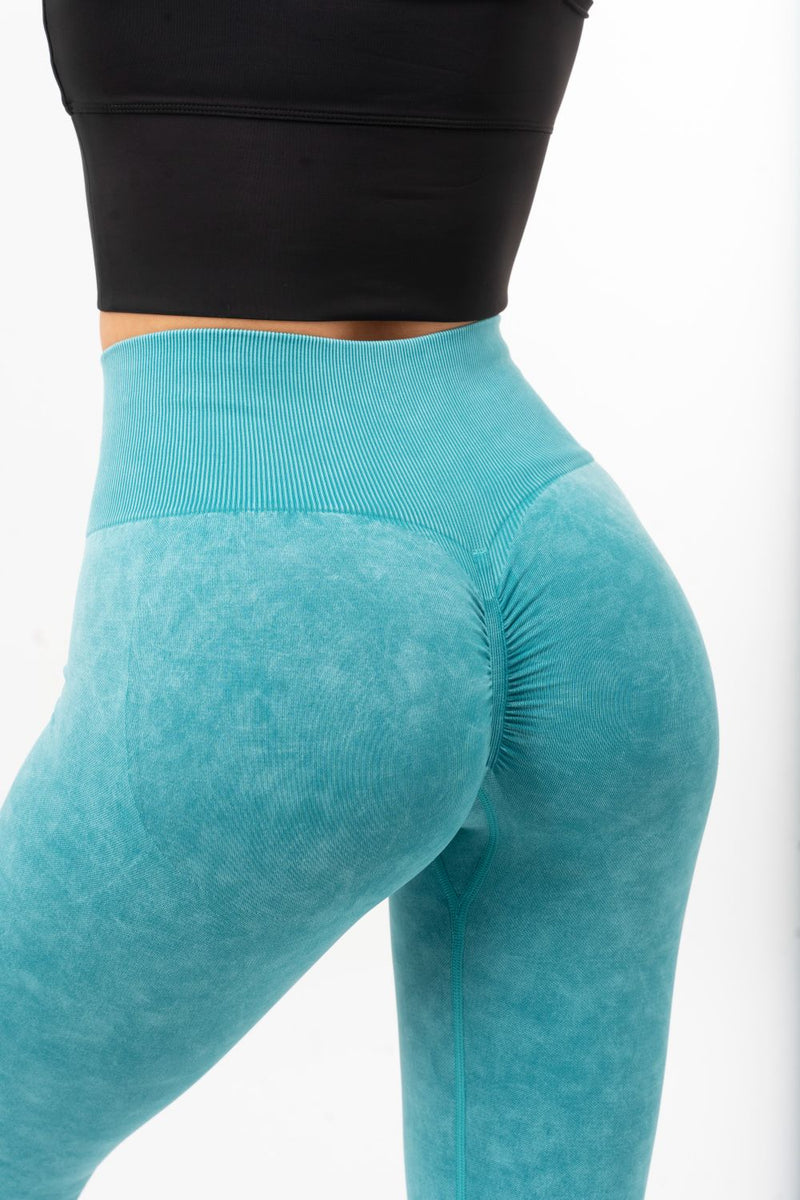
The scrunch bum feature usually comes from a gathered center-back seam. That seam draws the fabric inward and creates a ruched line. Because it receives repeated tension during squats, stretching, and sitting, it can loosen sooner than a flat seam.
Check the fit first
Put the leggings on and stand in front of a mirror. Then squat, walk, and sit. Look for these signs:
- The center seam stays in place during movement.
- The fabric stretches without turning transparent.
- The waistband stays at your natural waist.
- The ruching remains centered.
- The leg seams do not twist.
- The fabric does not dig sharply into your skin.
If the leggings feel tight across the hips or the fabric becomes see-through, sewing will not solve the main problem. The garment may simply be too small.
Check the care label and return options
Before altering new leggings, review the seller’s return policy. Sewing, cutting, or removing a label may make a return harder. In the United States, clothing labels commonly provide fiber content and care instructions, but the seller’s return terms still control whether an item can be sent back.
If the leggings arrived with a split seam or missing stitching, photograph the defect before repairing them. Contact the seller first. A repair can make it harder to show that the problem existed when you received the item.
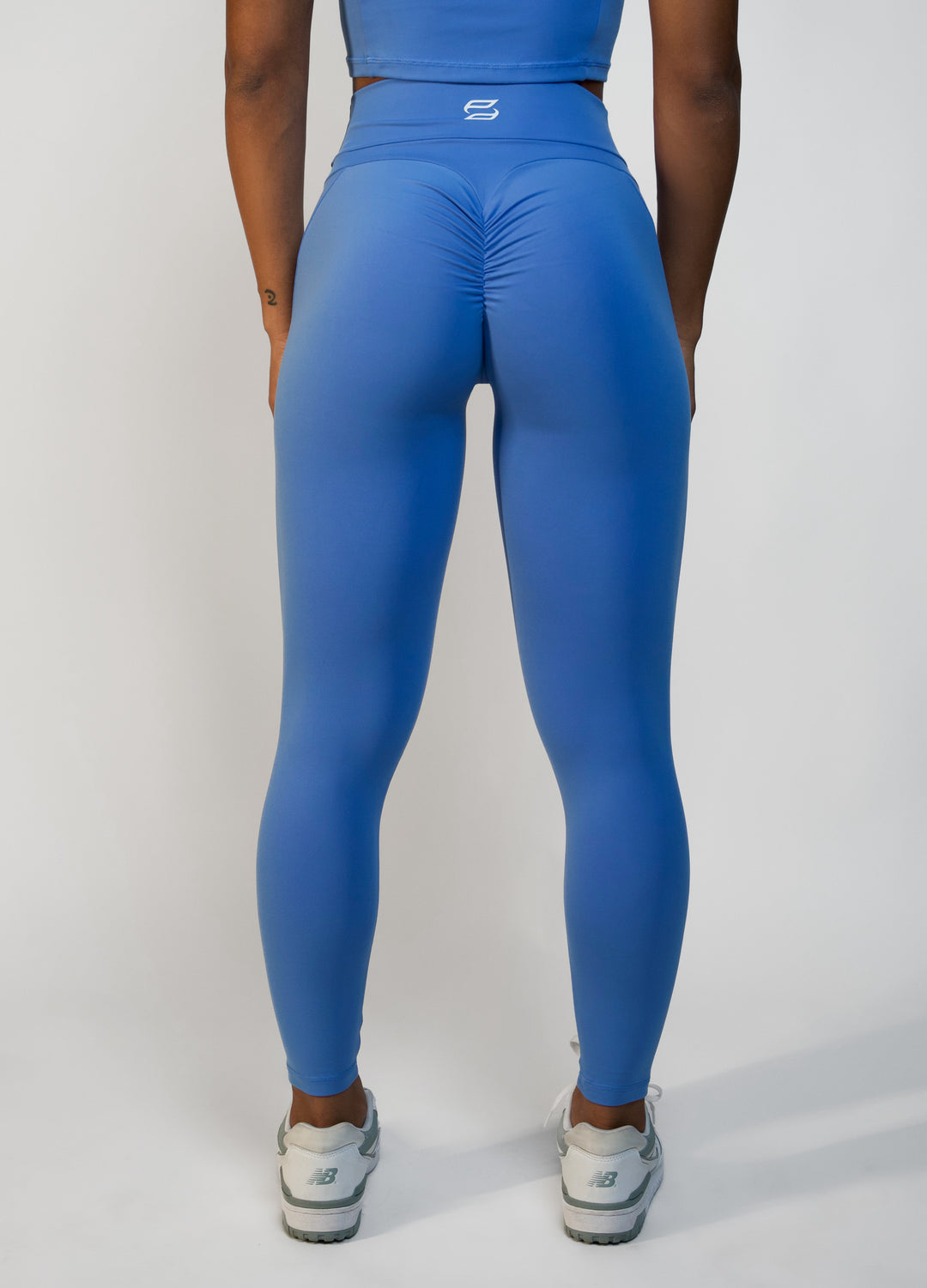
How to Fix a Loose Scrunch Bum Seam
A loose scrunch seam is usually the easiest issue to repair. Use a strong polyester thread and small stitches that follow the original seam. Avoid pulling the fabric tight while sewing, because the new stitches can restrict stretch and cause another tear.
What you need
Gather:
- A hand-sewing needle made for medium-weight stretch fabric
- Polyester thread
- Small fabric scissors
- Safety pins or sewing clips
- A thimble, if needed
- A sewing machine with a stretch stitch, if available
Avoid ordinary cotton thread when possible. Polyester thread has better give and strength for activewear. A ballpoint or stretch needle is useful for machine sewing because it is less likely to damage knitted fabric.
Hand-sewing method
-
Turn the leggings inside out.
This lets you see the seam allowance and keeps the repair less visible. -
Remove loose thread.
Trim stray ends without cutting the fabric or the original seam. -
Align the seam edges.
Match the original stitching line. Do not force one side to fit if the fabric has stretched unevenly. -
Pin or clip the seam.
Place clips or pins close to, but not directly through, the existing seam line. -
Use a small stretch stitch.
A narrow zigzag or a simple backstitch with slight slack can work for a small repair. Do not make the thread so tight that the seam cannot stretch. -
Sew past the damaged area.
Begin about 1 inch before the loose section and continue about 1 inch beyond it. This spreads the tension across stronger stitching. -
Secure both ends.
Knot the thread on the inside. Trim the ends, then gently stretch the seam by hand. -
Test the repair slowly.
Put on the leggings and do a shallow squat first. Stop if the stitches pull, the fabric puckers, or the seam opens again.
Machine-sewing method
If you use a sewing machine, select a narrow zigzag or another stretch stitch. A straight stitch can break when the leggings stretch over the hips. Use a fine needle suited to knit fabric and test the settings on a scrap of similar fabric first.
Keep the fabric flat but do not pull it hard as it passes under the presser foot. Let the machine feed the fabric. Stretching it while sewing can create a wavy seam that looks fine at rest but fails when worn.
When a seam repair will not last
Do not rely on a simple stitch if:
- The fabric is thin, shiny, or brittle around the hole.
- The seam has split over a long distance.
- The waistband or seat is under constant extreme tension.
- The leggings are transparent when stretched.
- Several nearby seams are failing.
- The elastic cord has snapped inside the channel.
These signs point to fabric wear, poor sizing, or broader construction damage. A tailor who works with stretch garments may be able to rebuild the seam, but replacing the leggings may be more practical.

How to Repair or Restore the Scrunch Detail
If the scrunch bum effect looks flat, the center ruching may have stretched out. It may also be uneven because the internal cord has shifted or one side has more fabric than the other.
Inspect the ruching
Turn the leggings inside out and examine the center-back seam. Look for:
- A thin elastic cord
- A folded seam channel
- Broken thread
- Uneven gathers
- A cord that has pulled out of one end
- Fabric that has lost its stretch
Some designs use sewn-in elastic. Others use a separate cord inside a tunnel along the seam. Do not cut the cord until you know how it is attached.
Reset uneven gathering
For a slightly uneven scrunch seam:
- Lay the leggings flat.
- Find the center of the back seam.
- Gently move the gathers with your fingers.
- Compare the left and right sides.
- Secure the seam with a few small stitches if the gathers keep shifting.
Do not pull the ruching as tight as possible. Excess tension can make the seam uncomfortable and may create a visible ridge or tear.
Replace a broken drawcord or elastic
If the design has a replaceable cord, you may be able to thread a new piece through the existing channel. Use a blunt safety pin or bodkin to guide it. Measure the old cord first, then use a similar length and thickness.
If the elastic is sewn into the seam, replacement is more complex. The seam may need to be opened, the old elastic removed, and new elastic inserted without twisting. This repair is best done by someone familiar with stretch clothing.
A replacement cord that is too short can pull the fabric into a hard, uncomfortable gather. One that is too long may not restore the scrunch effect.

How to Fix Leggings That Slide Down
Leggings that slide down are not always defective. The waistband may be too loose, the rise may not match your body, or the fabric may have low recovery. “Recovery” means the fabric’s ability to return to its original shape after stretching.
Try these checks before altering the waistband:
- Make sure the leggings are fully pulled over the hips.
- Smooth out extra fabric at the crotch and upper thighs.
- Check whether the waistband rolls.
- Notice whether the leggings slide only during exercise or all day.
- Compare the fit after washing according to the care label.
- Check whether the waistband is stretched more than the rest of the garment.
Temporary fixes
For a short-term adjustment, you can wear a secure base layer underneath or use a garment-safe waistband grip product. These options do not repair the leggings, but they can reduce movement while you decide whether to return or alter them.
Avoid safety pins near the skin. They can open during movement and cause injury.
Permanent waistband adjustment
A tailor can often reduce a loose waistband by:
- Taking in the center-back seam
- Removing and shortening the waistband elastic
- Adding a small internal drawstring
- Rebuilding the waistband seam
Do not cut a slit into a finished waistband unless you understand its construction. Cutting can damage the elastic and create a hole that spreads through the knit fabric.
If the waistband slides because the leggings are too small, taking in the waist may make the seat and hips even tighter. In that case, a different size or style is the better fix.
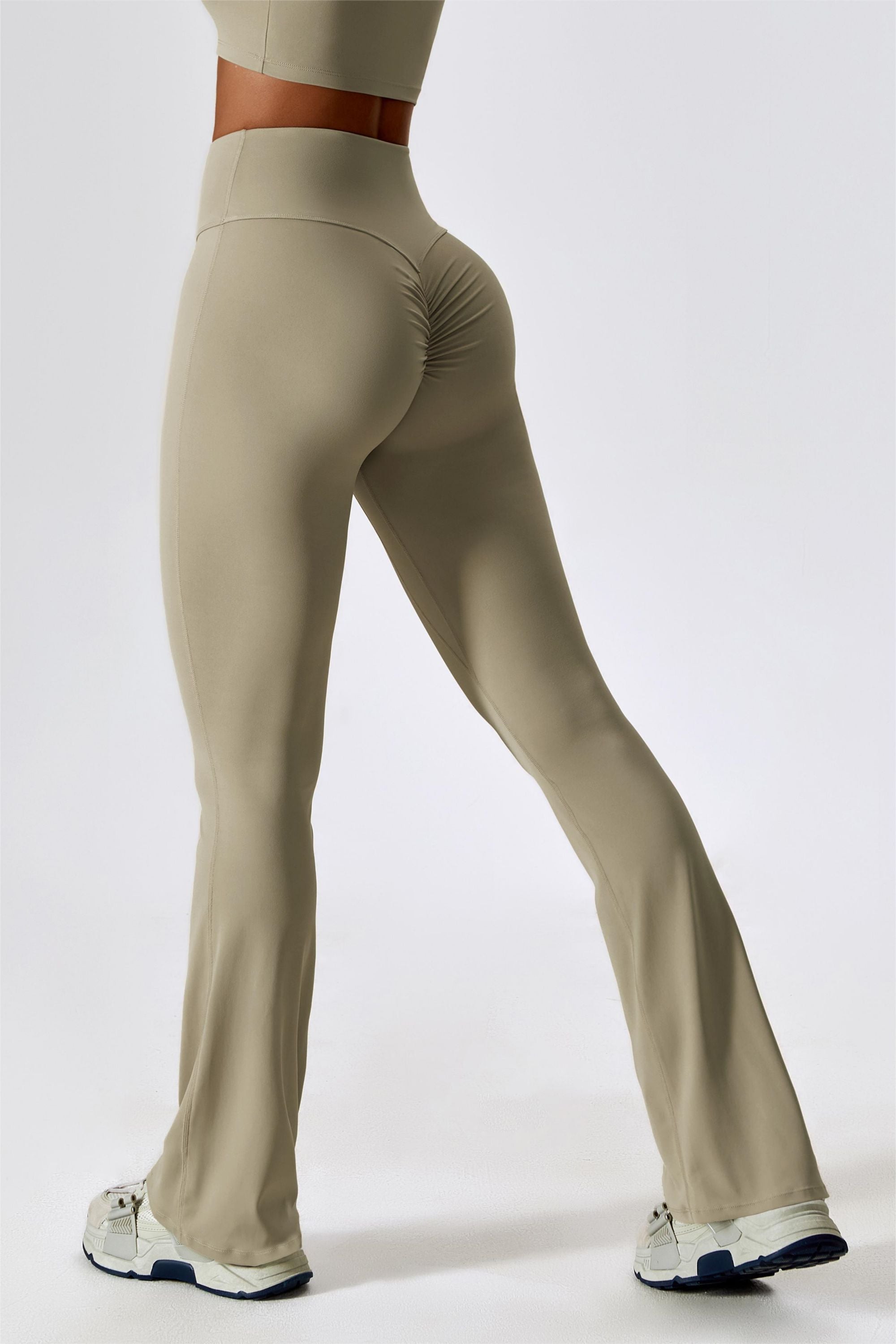
How to Wash Scrunch Bum Leggings So They Keep Their Shape
Care can slow stretching and protect the scrunch seam. Follow the garment label first, because fiber blends and finishes vary.
For most activewear, a cautious routine includes:
- Turn the leggings inside out.
- Use cool or cold water.
- Choose a gentle cycle.
- Use a mild detergent.
- Avoid chlorine bleach.
- Avoid fabric softener unless the care label permits it.
- Air-dry or use the lowest permitted heat.
- Do not wring or twist the fabric.
High heat can weaken elastic fibers and may change the fit. A hot dryer can also set wrinkles into a stretched seam. Lay the leggings flat or hang them in a way that does not pull on the waistband.
Wash leggings after heavy workouts when sweat, body oils, and grit may remain in the fabric. Do not scrub the scrunch seam aggressively. Friction can wear the gathered section faster than a smooth panel.
If the leggings already look loose, washing them in hot water is unlikely to restore them safely. Heat may make the fabric feel temporarily tighter, but it can reduce long-term stretch recovery.
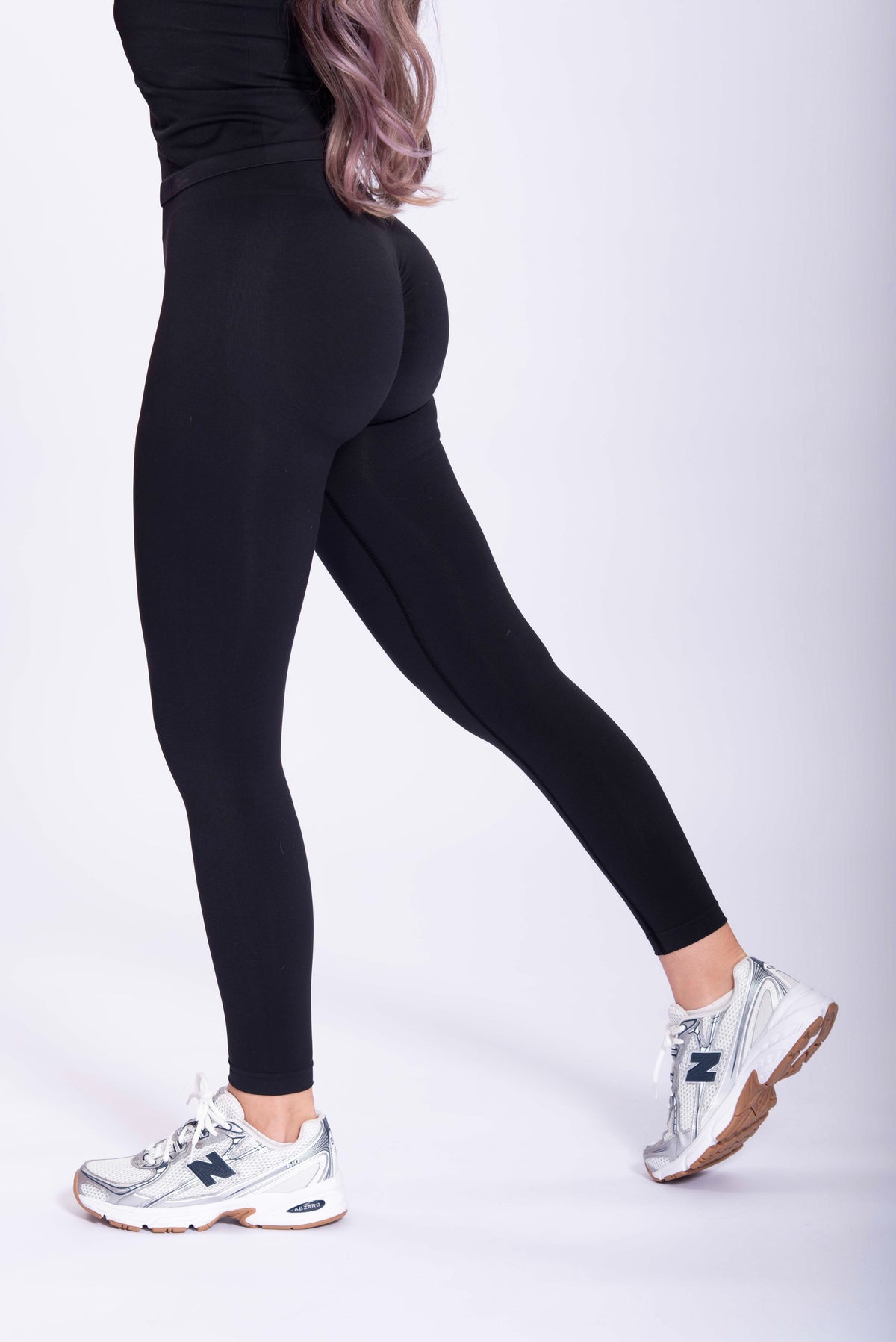
When to Return, Replace, or Professionally Alter Them
A repair makes sense when the fabric is sound and the damage is small. Replacement or return is usually better when the problem affects the whole fit.
Consider a return when:
- The leggings are new and arrived damaged.
- The seam is crooked or poorly constructed.
- The leggings are see-through during normal movement.
- The waistband slips even though the size appears correct.
- The scrunch detail is centered incorrectly.
- The fabric pills heavily after limited use.
- The item does not match the size chart or product description.
Save the receipt, order details, packaging, and photographs. Do not wash or alter the item before checking the seller’s policy if it is still eligible for return.
Consider a tailor when:
- The leggings fit well except for one loose seam.
- The fabric is expensive or difficult to replace.
- The repair involves sewn-in elastic.
- You need a waistband adjustment.
- You want the scrunch detail reduced rather than removed.
Tell the tailor that the garment contains stretch fabric. A repair designed for woven fabric may not stretch enough for leggings.
Replace the leggings when:
- Large areas feel thin or weak.
- Several seams are failing.
- The fabric has lost most of its recovery.
- The crotch or seat remains uncomfortable after adjustment.
- The garment causes chafing or sharp pressure.
- The repair would cost close to the price of a sound replacement.
A repaired seam cannot restore worn-out fabric. The seam may hold while the surrounding knit continues to split.
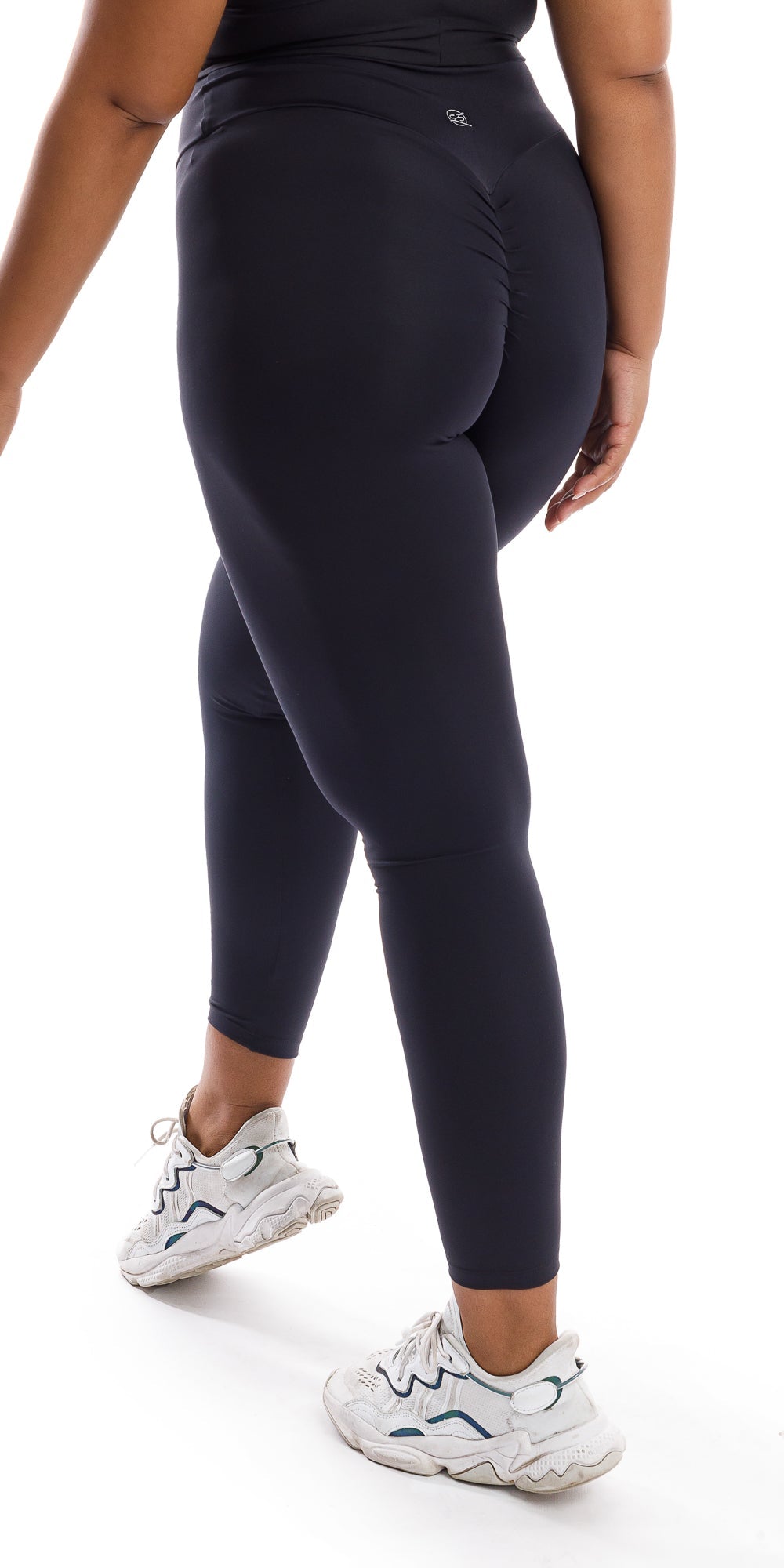
Common Mistakes to Avoid
Do not sew a tight straight line across a stretch seam. The thread may snap the first time you squat.
Do not cut the scrunch cord to make the detail less pronounced. It may be attached to the seam or may unravel the channel.
Do not use glue as the main repair. Fabric glue can stiffen the seam, rub the skin, and fail after washing. It may work as a temporary aid for a loose thread, but it is not a strong replacement for proper stitching.
Do not pull the leggings into place by yanking the scrunch seam. Use both hands to distribute the fabric over the hips and thighs.
Do not ignore discomfort. A seam that presses, pinches, or rubs can cause skin irritation. Stop wearing the leggings if the area becomes painful, numb, blistered, or broken.
Key Takeaways
- Inspect the seam, fabric, waistband, and fit before making changes.
- Repair a small loose seam with polyester thread and a stretch stitch.
- Use a narrow zigzag stitch instead of a rigid straight stitch on a sewing machine.
- Do not cut the scrunch cord without checking how it is attached.
- Wash in cool water and avoid high heat to protect elastic fibers.
- Return new leggings with construction defects before altering them.
- Replace the garment when the fabric is thin, brittle, or failing in several places.
FAQs
Can I fix scrunch bum leggings without sewing?
You can use a temporary waistband grip or a safe base layer if the leggings slide. A loose center seam, broken elastic, or opened seam usually needs sewing for a lasting repair.
Can I make the scrunch effect less noticeable?
Sometimes. A tailor may loosen or remove part of the gathered seam, depending on how the leggings are made. Do not cut the center cord without inspecting the seam, because it can cause further damage.
Why did my scrunch bum leggings lose their shape?
Common causes include repeated stretching, high dryer heat, fabric wear, harsh washing, or a size that places too much tension on the seat. Stretched elastic may also lose its recovery.
Can I use a regular sewing needle?
You can use one for a small hand repair, but a ballpoint or stretch needle is safer for machine sewing knit activewear. Test the needle and stitch on a hidden area or fabric scrap first.
Why do my leggings rip when I squat?
The leggings may be too small, the fabric may have poor stretch, or the seam may already be weak. If the fabric turns transparent or the stitches strain across the hips, choose a larger or better-fitting garment rather than reinforcing only the seam.
How do I know whether the leggings are too small?
They may be too small if the waistband digs in, the center seam pulls forward, the fabric becomes see-through, or the leggings restrict normal movement. A repair will not correct a poor overall fit.
Conclusion
To fix scrunch bum leggings, first identify whether the problem is a loose seam, damaged ruching, slipping waistband, worn fabric, or incorrect size. Small stitching failures can often be repaired with polyester thread and a stretch stitch. Larger defects, poor fit, and damaged elastic are better handled through a return, professional alteration, or replacement.
Before the next workout, test the repair with gentle movement. If the seam holds, the fabric stays opaque, and the leggings feel comfortable, the fix is likely suitable for normal wear.