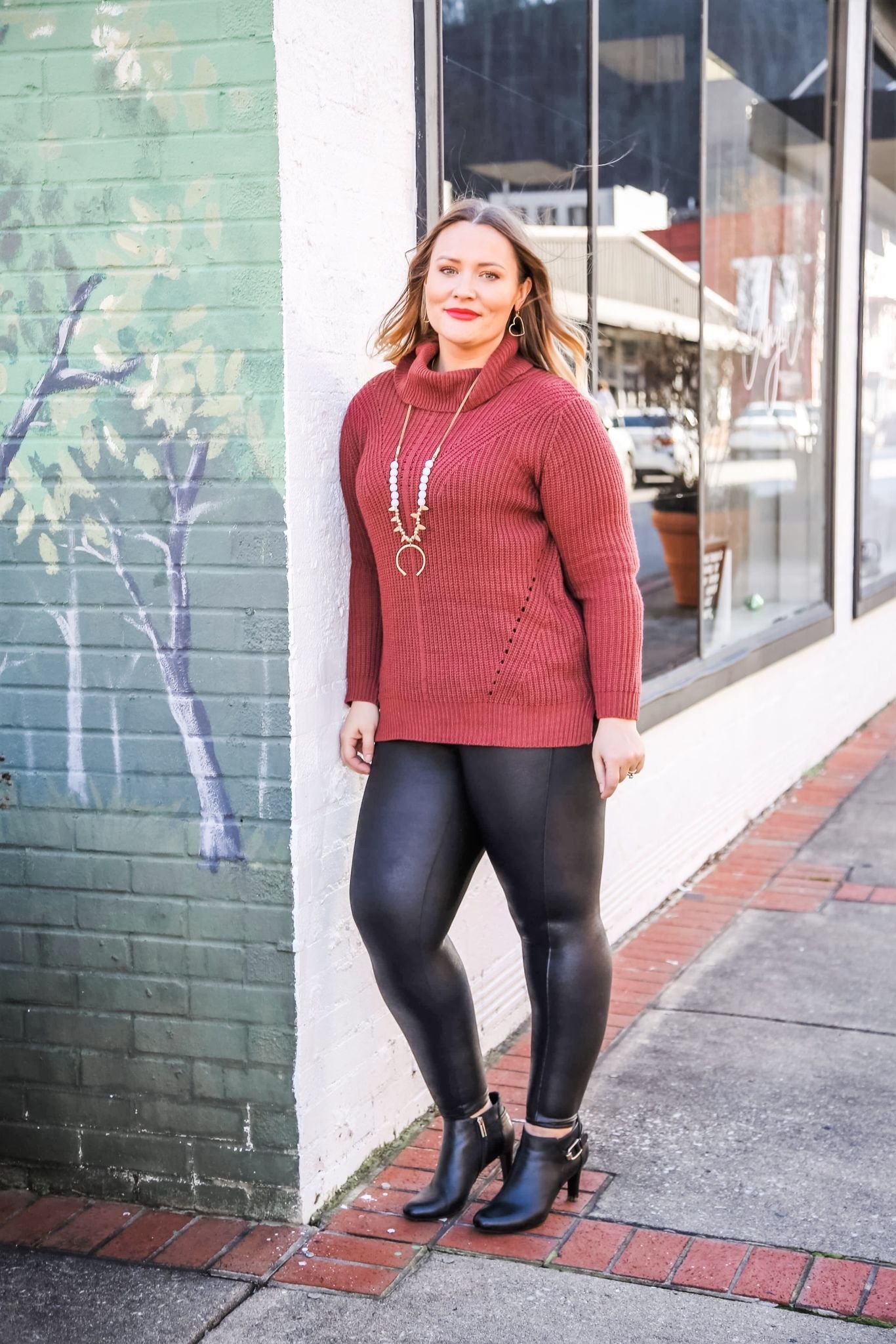
How To Look Thick In Leggings: Easy Style Tips
Introduction
To look thicker in leggings, choose a firm but comfortable fit, place visual detail around your hips and glutes, and use color, seams, and layers to shape the outfit. The goal is to create balance and definition—not to force your body into a smaller size or an unsafe garment.
This guide is written for shoppers in the United States who wear leggings for workouts, errands, travel, or casual outfits. It covers common U.S. sizing concerns, fabric choices, underwear, styling, and simple posing tips. Clothing can change the way your shape appears, but it cannot permanently change your body proportions.

Choose Leggings That Fit Your Body
The right fit does more to create a fuller look than any single design feature. Leggings should feel close to the body without cutting into your waist, hips, or thighs.
Start with your waist and hip measurements. U.S. clothing sizes vary by brand, so do not rely on the number printed on the tag. Use the brand’s own size chart when possible.
Look for these fit details:
- A smooth waistband: It should stay flat without rolling.
- Enough room through the hips and seat: The fabric should not pull into sharp horizontal lines.
- A full-length or 7/8 inseam that suits your height: A clean ankle line can make the legs look longer.
- A gusseted crotch: This triangular fabric panel can improve comfort and reduce pulling.
- A firm, flexible fabric: The leggings should stretch without becoming thin or shiny.
A common mistake is buying a smaller size to create more compression. This can make the fabric stretch so much that it becomes sheer. It may also flatten the appearance of the glutes and create waist bulges above or below the waistband.
Use the squat and movement check
Before keeping a pair, test the leggings in a well-lit room. Squat, walk, bend, and sit.
Check for:
- See-through fabric at the seat or thighs.
- A waistband that rolls or slides.
- A center seam that causes discomfort.
- Deep lines where the fabric pulls.
- A crotch area that becomes tight during movement.
- Fabric that loses its shape after stretching.
This is a practical clothing check, not a formal fabric test. Lighting can change how opaque leggings appear, so inspect them in daylight when possible.
A good sign is fabric that stays smooth and opaque while you move. If the leggings feel restrictive, cause numbness, or leave painful marks, choose a larger size or a different cut.
Use High-Rise Leggings to Create a Balanced Shape
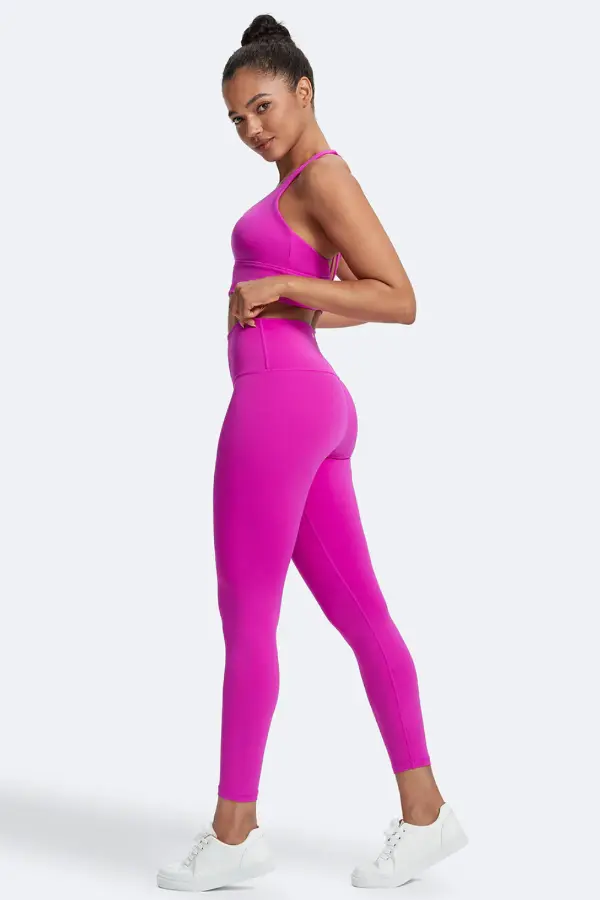
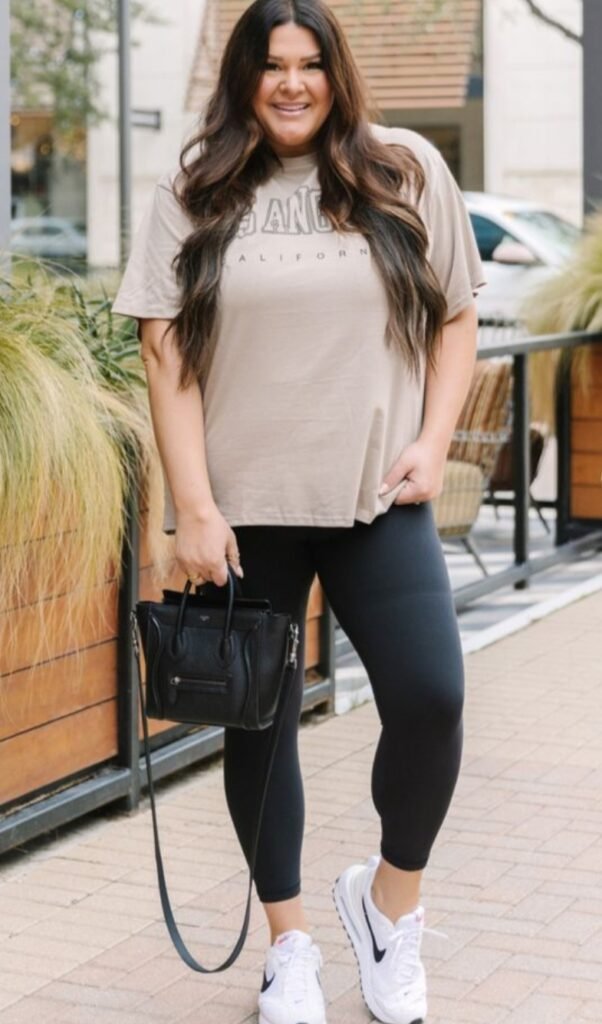
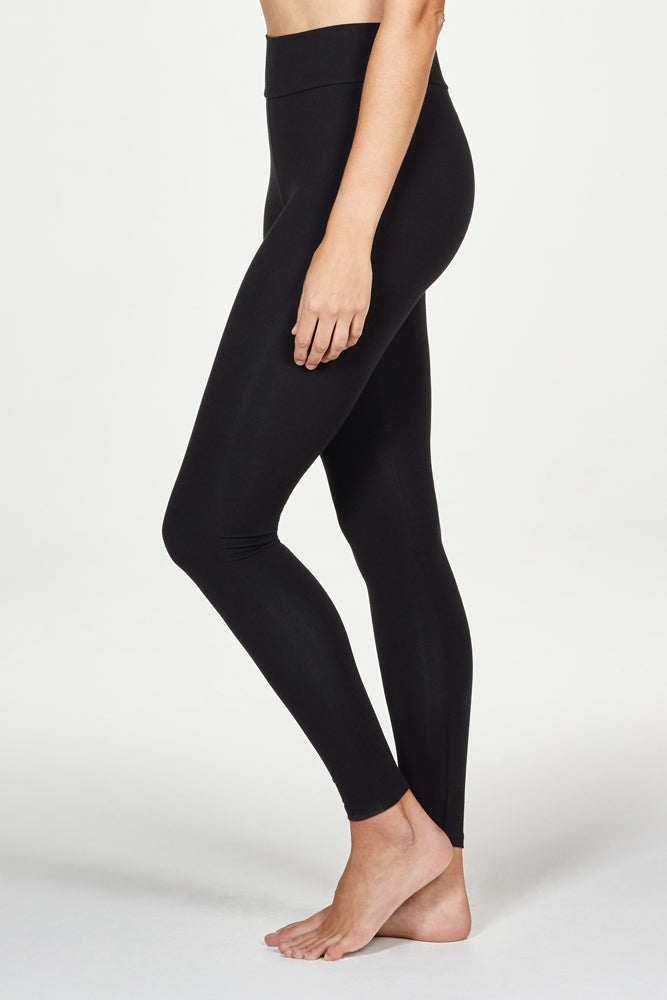
High-rise leggings can make the lower body look more prominent by creating a clear waist-to-hip line. They usually sit at or above the natural waist and pair well with cropped tops, tucked shirts, and fitted jackets.
The waistband should end at a comfortable point on your torso. If it sits too high, it may shorten the upper body or create a tight line under the ribs. If it sits too low, it may reduce waist definition and make the outfit look less structured.
For a fuller-looking lower body, try this outfit formula:
- High-rise leggings
- A waistband that lies flat
- A fitted or semi-fitted top
- A cropped jacket or shirt that ends near the waist
- Low-profile shoes or shoes that match the legging color
you do not need to show your stomach. A top that ends near the hip bone, or a shirt tucked only at the front, can create definition while providing coverage.
Balance the top and bottom
Oversized tops can hide the waist and hips. They may be comfortable, but they often make the entire outfit look wider and less shaped.
If you prefer a loose top, add structure with one of these options:
- Wear a cropped sweatshirt.
- Tuck in part of a T-shirt.
- Add a short denim jacket.
- Use a jacket that ends above the widest part of the hips.
- Tie a shirt at the waist, if the fabric allows it.
The best choice depends on your torso length and comfort. The goal is not to follow a fixed body rule. It is to create a visible relationship between the waist, hips, and legs.
Pick Fabric, Color, and Finish That Add Visual Volume
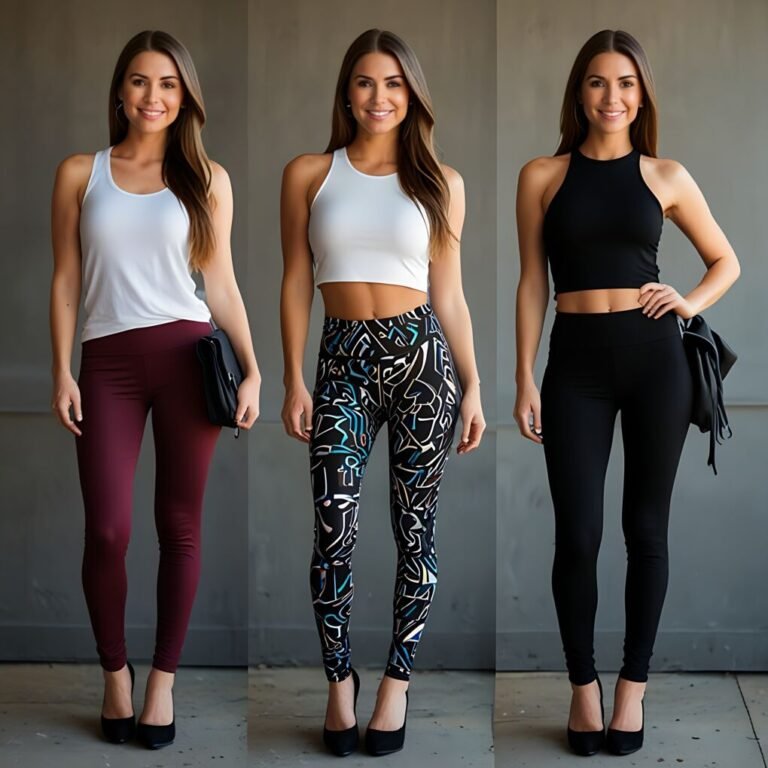
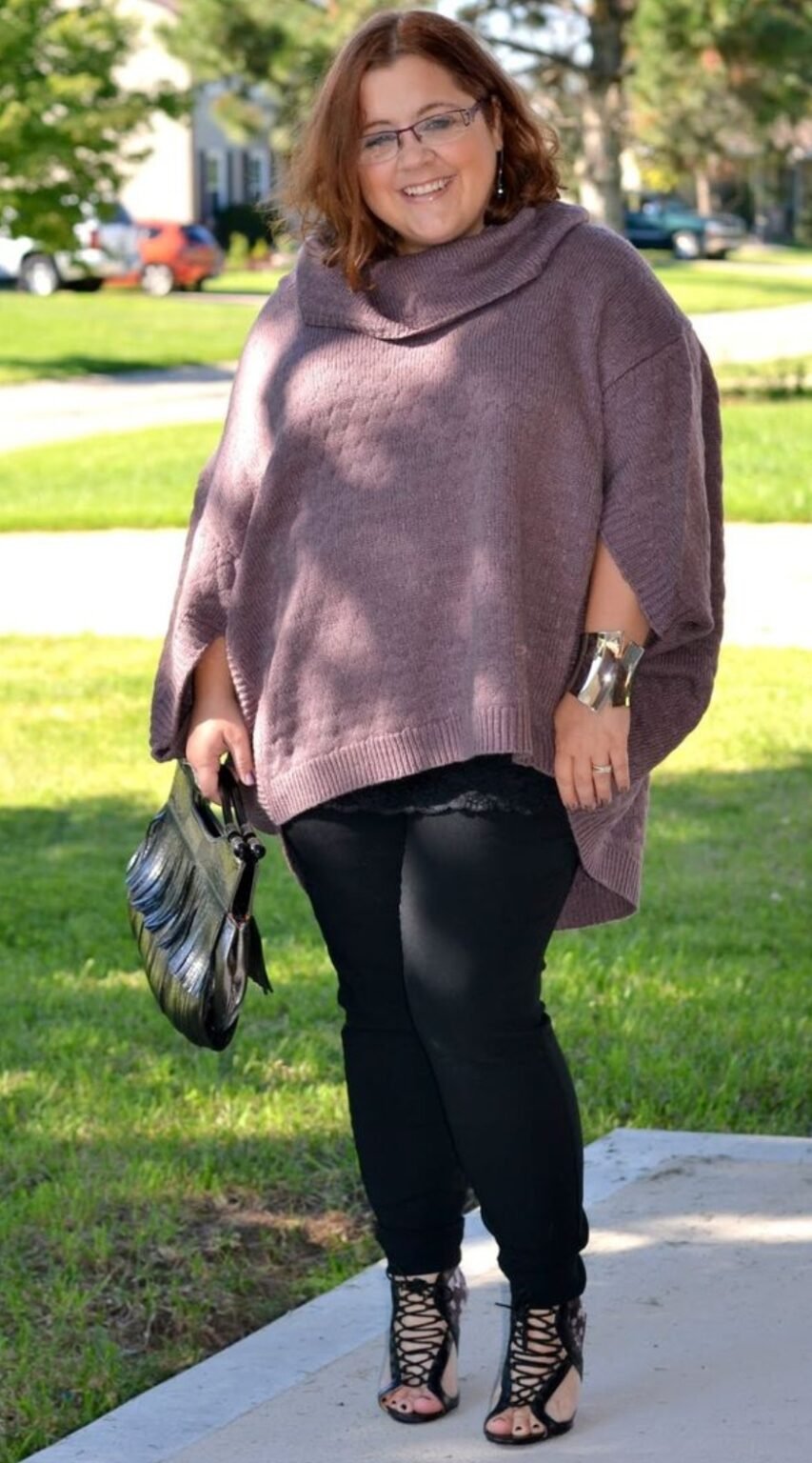
Fabric and color affect how much shape leggings show. Dark matte leggings tend to create a smooth, streamlined appearance. Lighter colors, ribbed textures, and subtle patterns can draw more attention to the hips and legs.
| Legging feature | Visual effect | Best use |
|---|---|---|
| Ribbed fabric | Adds texture and dimension | Casual outfits and low-impact workouts |
| Medium or light colors | Makes the lower body more noticeable | Everyday wear and layered outfits |
| Side panels | Draws the eye along the hips and legs | Creating a longer, shaped line |
| Contoured seams | Adds structure around the seat | Showing glute definition |
| Matte finish | Looks smooth and less reflective | Workouts, travel, and daily wear |
| Small patterns | Adds visual interest | When you want more attention on the lower body |
A dark color does not always make an area look smaller, and a light color does not always make it look larger. The effect depends on the fabric, fit, lighting, and the rest of the outfit.
Try color blocking
Color blocking can make the hips look wider by placing a lighter or brighter area near the sides of the lower body. A pair with darker panels at the front and lighter panels at the hips may create contrast.
Horizontal details can also add visual width. Examples include:
- A curved waistband
- Horizontal seam lines
- Side pockets
- Color panels across the upper hip
- A patterned top worn with plain leggings
Keep the design comfortable and practical. Large pockets, thick seams, or stiff panels may add bulk but can also feel awkward during exercise.
Understand contour seams
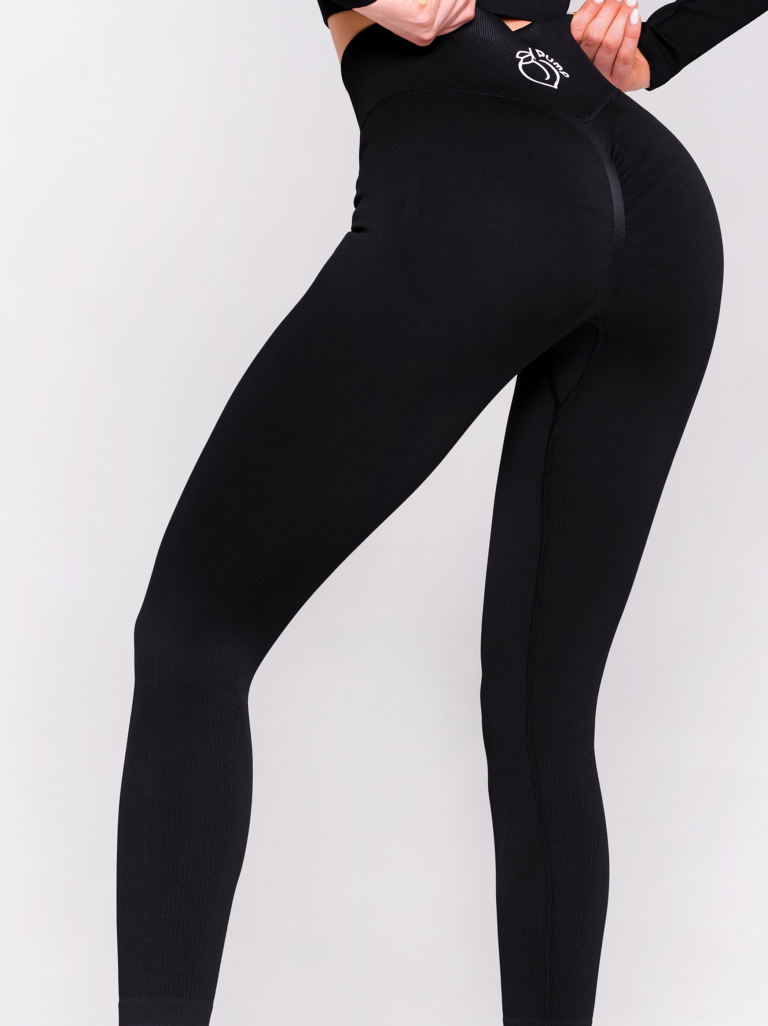
Some leggings use curved seams, a V-shaped back seam, or gathered fabric to create more definition around the glutes. These features change the appearance of the garment, not the structure of your body.
A seam can help outline the glutes when it sits in the right place. If it pulls, digs into the skin, or shifts during movement, it may create an uneven look instead. Try walking and bending before wearing the leggings in public.

Choose Underwear and Layers Carefully
Underwear lines can interrupt the smooth shape of leggings. Seamless underwear, laser-cut edges, or underwear designed for activewear can reduce visible lines.
Choose underwear based on comfort and coverage. Thong styles are not required, and they may cause irritation for some people. If you prefer fuller coverage, look for smooth briefs or shorts with flat edges.
Avoid underwear that is too tight. A narrow elastic edge can create lines at the hips or buttocks that show through thin leggings.
The same principle applies to base layers. If you wear shapewear, select a size that allows normal breathing and movement. Shapewear should not cause pain, tingling, numbness, skin color changes, or shortness of breath. Remove it if these symptoms occur.
For cooler weather in the United States, layering can add shape without squeezing the body:
- Wear a cropped puffer vest over a fitted top.
- Add a short cardigan or denim jacket.
- Use a long open shirt with a defined waist underneath.
- Pair leggings with a structured sweatshirt rather than a very thin top.
Layers work best when they create contrast. A fitted bottom with a structured upper layer often looks more intentional than tight clothing from head to toe.
Make the Glutes Look More Defined Through Training and Posture
Leggings can highlight existing shape, but they cannot build muscle. If your long-term goal is more glute size or strength, resistance training is the method that can support that goal over time.
Common lower-body exercises include:
- Squats
- Hip thrusts
- Glute bridges
- Step-ups
- Lunges
- Romanian deadlifts
- Cable or band hip abductions
Use a gradual training plan and learn proper form. Start with a manageable load, control each movement, and allow recovery between hard sessions. If you have an injury, medical condition, or long period without exercise, ask a qualified health professional or certified fitness professional for guidance.
Posture can also change how leggings look in a photo or mirror. Stand with your feet about hip-width apart, keep your ribs relaxed, and avoid forcing your lower back into an exaggerated arch. A natural stance usually looks better than a pose that causes discomfort.
For photos, placing one foot slightly behind the other can create a more visible hip line. Turning the body slightly instead of facing the camera straight on can also show the curve of the waist and hips. These are temporary visual effects, not changes in body size.
Use Outfit Formulas That Emphasize the Lower Body
The simplest way to look thicker in leggings is to make the lower half the visual focus. Keep the top clean and use one or two details that draw the eye toward the hips and legs.
Try these outfit formulas:
Casual everyday outfit
- High-rise ribbed leggings
- Fitted T-shirt or cropped sweatshirt
- Short denim or utility jacket
- Clean sneakers
This works because the jacket creates structure near the waist while the textured leggings add dimension.
Gym outfit
- Opaque high-rise training leggings
- Supportive sports bra or fitted tank
- Cropped zip jacket
- Athletic shoes suited to your workout
Choose function first. Leggings that slide, pinch, or become transparent will distract you during exercise.
Cold-weather outfit
- Fleece-lined or thicker leggings
- Long-sleeve fitted top
- Cropped puffer jacket
- Boots or sneakers
Thicker fabric can create a smoother line, but check that it does not restrict your hips or knees.
Covered-up outfit
- High-rise leggings
- Tunic-length shirt or sweater
- Waist-length vest or open jacket
- Shoes that match the leggings
A longer top can provide coverage while the vest or jacket adds structure. If the outfit feels too loose, a partial tuck can restore waist definition.

Avoid These Common Legging Mistakes
Several styling choices can make leggings look less flattering or less comfortable.
Wearing leggings that are too small
Small leggings may seem like they will create more lift, but excessive tension can cause transparency, waistband bulges, and fabric distortion. A larger size may give a smoother and fuller-looking result.
Choosing very thin fabric
Thin fabric may cling to every line without providing much structure. It can also become see-through when stretched. Look for fabric that remains opaque during a squat and does not turn highly shiny under tension.
Ignoring the waistband
A waistband that rolls or cuts into the skin breaks the line of the outfit. Try a wider waistband or a different rise.
Overusing padding
Padded leggings can change the silhouette, but padding may shift, feel uneven, or look obvious under clothing. If you use padded garments, check that the inserts stay in place and do not create pressure points.
Wearing uncomfortable shapewear
Pain is not proof that a garment is working. Tight shapewear can irritate the skin and make movement harder. Select supportive clothing that still lets you breathe, sit, and walk normally.
Relying on camera angles
A low camera angle, strong lighting, or heavy posing can change an image. It does not show how the outfit looks during normal movement. Check the leggings while standing, walking, sitting, and bending.

How to Find the Best Pair for Your Goal
Use this quick decision guide:
- For the fullest visual effect: Choose a high-rise cut, medium or light color, ribbed fabric, and curved seams.
- For a smooth effect: Choose matte fabric, a flat waistband, seamless underwear, and minimal seams.
- For workouts: Choose opaque, moisture-managing fabric with a secure waistband and a gusseted crotch.
- For everyday wear: Choose medium-weight fabric, a comfortable rise, and a design that works with your tops.
- For more coverage: Choose full-length leggings, a longer top, and a fabric that passes the daylight squat check.
- For a longer leg line: Match the shoe color to the leggings and choose an ankle length that does not cut across the widest part of the calf.
The best pair is the one that meets your visual goal without sacrificing comfort, coverage, or movement. No style feature is worth pain or repeated adjustment.
Frequently Asked Questions
Do scrunch leggings make you look thicker?
Scrunch leggings can create more visible separation and definition at the glutes because of the gathered back seam. The effect depends on the seam position, fabric tension, and your body shape. They should not pinch, pull, or cause discomfort.
Are light-colored leggings better for looking thicker?
Light colors can draw more attention to the lower body, but fit and fabric matter more than color alone. A light pair that is thin or transparent may look less polished than a darker, thicker pair with good structure.
Should leggings be tight to make your butt look bigger?
Leggings should be close-fitting but not painfully tight. If the fabric is overstretched, it may become sheer, flatten the shape, or create unwanted lines. Use the size chart and movement test instead of sizing down.
Do pockets make your hips look wider?
Side pockets can add visual detail and may make the hips appear more prominent. They can also add bulk or shift during movement. Choose pockets that lie flat and stay secure during the activity you plan to do.
Can exercise make you look thicker in leggings?
Strength training can build muscle in the glutes and legs over time, which may change how leggings fit. Results vary by training, nutrition, genetics, recovery, and time. Clothing alone creates only a temporary visual effect.
Conclusion
To look thick in leggings, focus on proportion rather than pressure. Start with a comfortable high-rise fit, use opaque fabric with texture or contour seams, and choose colors and layers that draw attention to the lower body.
Avoid sizing down, painful compression, and garments that become transparent when stretched. The strongest outfit is one that gives you the shape and coverage you want while allowing you to walk, sit, and move with ease.