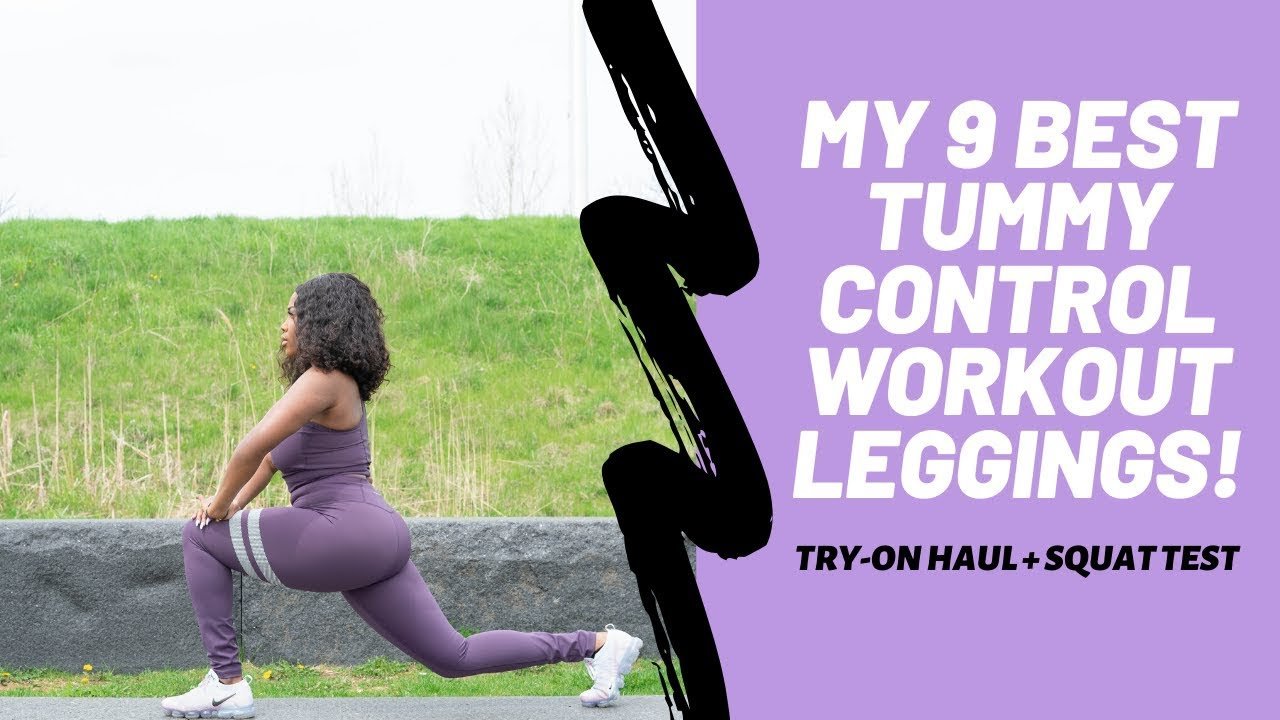
How To Hide Fupa In Leggings: Flattering Fit Tips
For people in the United States, leggings are a common choice for workouts, errands, travel, and casual outfits. If you want more coverage around the lower stomach, the right fabric, rise, waistband, and layering can create a smooth look without squeezing your body or wearing uncomfortable shapewear.
The best way to hide a FUPA in leggings is to choose high-rise leggings with firm, opaque fabric and a wide, supportive waistband. Then pair them with underwear that lies flat and a top that ends at, below, or slightly above the widest part of the hips.
“FUPA” is an informal term for fullness in the lower abdomen and pubic area. Bodies naturally store fat in different places. Clothing can change the outline of the body, but it cannot permanently remove or reshape body fat.

Choose Leggings With the Right Fit and Fabric
The right leggings should hold their shape without digging into the lower stomach. Look for a high rise, a wide waistband, and fabric that is thick enough to stay opaque when you bend or stretch.
1. Choose a high-rise waistband
High-rise leggings usually sit at or above the natural waist. This gives the lower stomach more coverage than mid-rise styles.
A good waistband should:
- Cover the lower abdomen without rolling down
- Sit flat against the skin
- Stay in place when you walk, squat, or sit
- Feel firm but not painful
- Extend across the front and sides of the waist
A waistband that ends at the fullest part of the stomach may create a horizontal line. A higher waistband can spread pressure over a larger area and create a smoother outline.
2. Look for a wide waistband
A waistband that is about 3 to 5 inches wide often gives more coverage than a narrow elastic band. The exact width matters less than the fit and construction.
Avoid waistbands that:
- Cut into the lower stomach
- Fold when you sit
- Roll down during movement
- Leave deep red marks
- Feel hard to breathe against
A wide waistband does not need to be extremely tight. Its job is to stay flat and stable.
3. Pick firm, opaque fabric
Thin fabric may show skin texture, underwear lines, or seams more clearly. Firm fabric can create a more even surface, especially when it contains a blend of nylon, polyester, or elastane.
When shopping, test the fabric by:
- Stretching it gently with both hands.
- Checking whether you can see through it.
- Bending or squatting in front of a mirror.
- Looking for the waistband to remain flat.
- Checking whether the fabric becomes shiny when stretched.
Dark colors may make contours less noticeable, but fabric quality still matters. Black leggings that become sheer or overly shiny may draw more attention than a matte pair in navy, charcoal, or brown.
4. Do not size down
Sizing down can cause the waistband to dig into the lower abdomen. It can also create extra folds above and below the waistband.
Choose the size that fits your largest measurement. If your waist and hips fall into different size ranges, check the brand’s measurement chart. Some people need a larger size for the hips and a style with a drawstring or adjustable waistband.

Wear Smooth Underwear and Add a Light Base Layer
Underwear can affect how leggings sit and how smooth the front looks. The goal is not to compress the body as much as possible. The goal is to remove extra lines and bunching.
Choose underwear that lies flat
Try underwear with:
- Smooth edges
- A wide, soft waistband
- A high-rise cut
- Minimal front seams
- Breathable fabric
- Enough coverage to prevent bunching
Laser-cut or bonded underwear may reduce visible lines. High-waisted briefs can also help the leggings glide over the lower stomach.
Thongs are not required. If a thong feels uncomfortable, choose full-coverage underwear with flat edges instead.
Consider light shapewear only if it feels comfortable
Light-control shorts or briefs may smooth the outline beneath leggings. They should not restrict breathing, cause pain, or create a second visible line.
Avoid wearing shapewear that is so tight that it causes:
- Numbness or tingling
- Pain
- Shortness of breath
- Skin irritation
- Deep marks that last after removal
- Leg swelling or discomfort
Do not layer several tight garments to force a smaller appearance. That often creates bulges at the edges and can make movement harder.
Check the front seam
A front seam can draw attention to the center of the lower abdomen. If this bothers you, look for leggings with:
- A gusseted crotch
- A curved front seam
- A seamless front panel
- A wider crotch section
- No center-front seam
The seam design varies by brand. Try the leggings on and view them while standing, sitting, and walking.

Style Leggings to Create Balanced Coverage
The most natural-looking outfit usually combines supportive leggings with a top that creates visual balance. You do not need to hide your whole body. Small changes in length, color, and shape can change where the eye rests.
Use the right top length
A longer top can cover the lower stomach and upper hip area. Useful options include:
- A tunic-length T-shirt
- A relaxed button-down shirt
- A long sweatshirt
- A lightweight cardigan
- A workout tank with a longer hem
- A half-zip pullover
- A cropped jacket worn over a longer base layer
For a balanced look, let the top end either above the fullest area or below it. A hem that stops directly across the fullest part may draw attention to that line.
This is not a strict rule. If you like a shorter top, a high-rise waistband and structured fabric may provide enough coverage on their own.
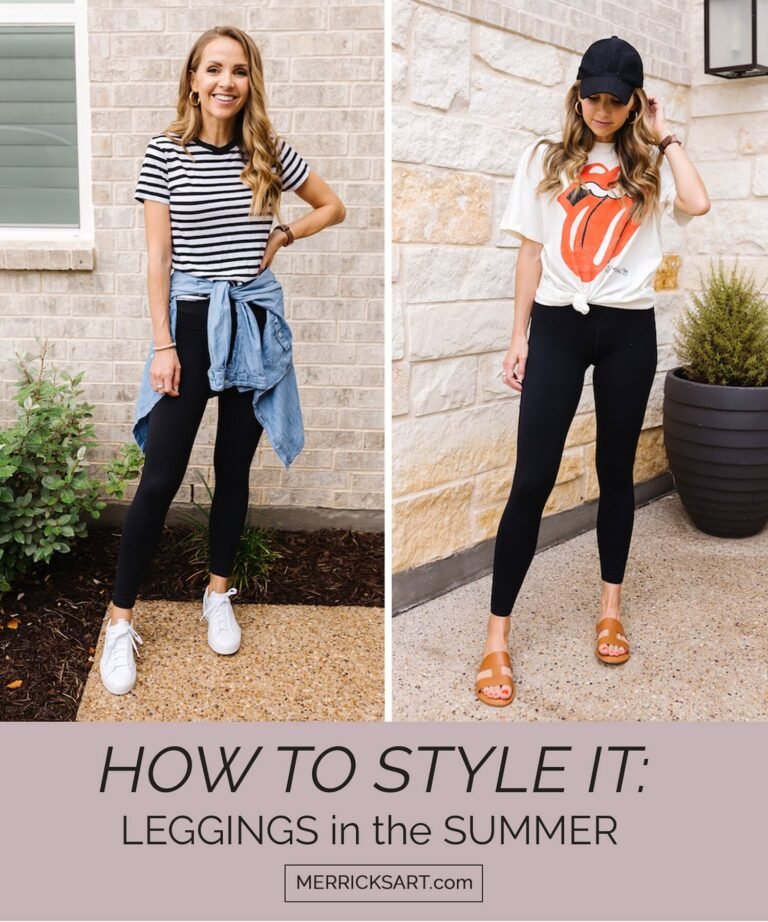
Use layers instead of one tight garment
A light open layer can create vertical lines and break up the outline of the midsection. Try:
- An open denim shirt
- A long cardigan
- A loose blazer
- A zip-up jacket
- A lightweight utility shirt
Choose a layer that moves freely. A stiff garment may look bulky, while a very thin layer may cling to the body.
Use color and texture with intention
A matte, darker bottom paired with a lighter or textured top can shift attention upward. Prints and texture near the face or shoulders can also balance the outfit.
Useful choices include:
- A solid, matte legging
- A top with a neckline detail
- A bright jacket
- A textured sweater
- A patterned shirt worn open
- Simple vertical lines from an open layer
These are styling options, not rules. Wear the colors and patterns that make you feel comfortable.

Follow This Simple Fitting Process
Trying on leggings in the correct order can help you find problems before you wear them outside.
Step 1: Start with your normal underwear
Wear the type of underwear you plan to use with the leggings. This gives you a more accurate fit.
Step 2: Pull the waistband into position
Place the waistband at your natural waist. Do not fold it down unless the garment is designed to be worn that way.
If the waistband will not stay in place, the rise may be too short, the size may be wrong, or the fabric may lack enough recovery. “Recovery” means the fabric returns to its original shape after stretching.
Step 3: Check the lower stomach and hips
Look for:
- Even fabric tension
- No deep waistband dents
- No large folds below the waistband
- No rolling at the sides
- No visible transparency
- No pulling at the crotch
Some wrinkles are normal. The main concern is whether the leggings feel secure and comfortable while moving.
Step 4: Test common movements
Walk, sit, bend, squat, and raise one knee. The leggings should stay in place without constant pulling.
If the waistband slides down, try a different rise or a smaller amount of fabric stretch. Do not automatically choose a smaller size. A waistband can slide because it is too loose, but it can also slide because it is too short or lacks grip.
Step 5: Add the top layer
Try the full outfit in natural light. Check the front, sides, and back. A garment can look smooth from the front but create lines at the sides.
Step 6: Recheck comfort after several minutes
Stand, sit, and move for at least a few minutes. Some leggings feel fine at first but become uncomfortable as the waistband presses into the skin.

Use This Quick Decision Guide
The table below can help you identify the most likely fix.
| What you notice | Likely cause | What to try |
|---|---|---|
| Waistband rolls down | Rise may be too short or fabric may be too soft | Try a taller rise or firmer fabric |
| Deep line across the stomach | Waistband is too narrow or tight | Choose a wider waistband or larger size |
| Fabric becomes sheer | Leggings are too small or too thin | Choose thicker fabric or a better size |
| Lower stomach looks more prominent | Waistband ends at the fullest area | Try a higher rise or longer top |
| Underwear shows | Seams or edges are too raised | Use smooth, flat underwear |
| Front seam draws attention | Center seam placement | Try a seamless-front or gusseted style |
| Leggings slide during exercise | Poor fit, low recovery, or sweat | Try a drawstring waist or firmer fabric |
| Bulges appear above the waistband | Garment is too tight or too short | Size up or choose a taller waistband |
This guide shows likely causes, not guaranteed diagnoses. Body shape, fabric blend, waistband design, and movement all affect the result.

Avoid Common Mistakes When Hiding a Lower-Belly Pouch
Several popular fixes can make the problem more visible or less comfortable.
Avoid folding the waistband
Folding a high-rise waistband can create a thick horizontal band. It may also make the leggings slide down.
Avoid very thin, shiny fabric
Shiny fabric reflects light from stretched areas. This can emphasize folds and seams. Matte fabric tends to create a softer visual effect.
Avoid large pockets at the front
Front pockets, large logos, and bulky seams can add visual weight to the lower stomach. Side pockets may be less noticeable, depending on their placement.
Avoid wearing leggings that are too tight
Tight leggings do not always create a smoother look. They may push tissue above the waistband or make the fabric strain across the abdomen.
Avoid checking only while standing
Many fit problems appear when sitting or bending. Test the outfit in the positions you will use during the day.
Avoid relying on compression for body change
Compression can change the outline while the garment is worn. It does not burn fat or permanently change the shape of the abdomen. Be cautious of products that promise permanent results from clothing alone.

Stay Comfortable and Safe
Clothing should support movement, not cause pain. Remove a garment if it causes numbness, tingling, breathing problems, skin damage, or severe pressure.
Wash leggings according to the care label. Sweat, friction, and trapped moisture can irritate the skin. Change out of damp clothing after exercise, especially if you are prone to rashes or chafing.
If you have a medical condition, recent surgery, pregnancy-related concerns, unexplained swelling, or pain in the abdomen, ask a qualified clinician before using firm compression garments. A stylist can help with fit, but a clinician should address symptoms or medical concerns.
You also do not need to hide your body to wear leggings. The purpose of these tips is to help you choose the level of coverage and support you want.

Key Takeaways
- Choose high-rise leggings with a wide, flat waistband.
- Use thick, matte fabric that remains opaque when stretched.
- Select your size by your largest body measurement.
- Wear smooth underwear with flat edges.
- Avoid folding the waistband or sizing down.
- Test the leggings while walking, sitting, bending, and squatting.
- Add a longer top or open layer if you want more coverage.
- Remove tight garments that cause pain, numbness, breathing trouble, or skin irritation.
- Remember that leggings can change appearance only while worn; they do not permanently reshape the body.
Frequently Asked Questions
What type of leggings are best for hiding a FUPA?
High-rise leggings with a wide waistband and firm, opaque, matte fabric are usually the most useful. A seamless front or gusseted crotch can reduce lines that draw attention to the lower abdomen.
Should I wear shapewear under leggings?
You can wear light-control shapewear if it feels comfortable and does not restrict breathing or movement. It is not required. Smooth, high-waisted underwear may provide enough coverage without adding compression.
Are black leggings the best choice?
Black leggings can make contours less noticeable, but color alone does not determine fit. A well-fitting navy, charcoal, brown, or dark green pair may work just as well. Fabric opacity and waistband construction matter more than color.
Why do my leggings roll down at the stomach?
Rolling can happen when the rise is too short, the waistband is too tight, the fabric lacks recovery, or the size is not right for your waist and hips. Try a taller rise, a firmer waistband, or a different size.
Can leggings make a FUPA go away?
No. Leggings can smooth or change the visible outline while you wear them, but they cannot remove body fat or permanently reshape the lower abdomen. Be skeptical of clothing claims that promise permanent fat loss.
What should I wear over leggings for more coverage?
A tunic-length T-shirt, long sweatshirt, open button-down, cardigan, lightweight jacket, or longer workout top can provide more coverage. Choose a hem that does not stop at the widest part if you want a less noticeable transition.
Conclusion
To hide a FUPA in leggings, start with fit rather than extreme compression. Choose a high rise, wide waistband, firm matte fabric, and a size that allows you to move without digging into the skin. Smooth underwear and a longer or layered top can add coverage when you want it.
Try the complete outfit while standing, sitting, walking, and bending. The best pair is the one that stays in place, remains opaque, and lets you breathe and move with ease.